
Planning a move from the UK to Bulgaria? First check your residence route, your budget and how you will arrange healthcare. Then use the checklist below to coordinate documents, housing, transport and your UK departure. The sequence depends on your circumstances; a 90-day plan is a planning aid, not a promised processing time.
Whether 90 days is enough depends on which British mover you are. Find yourself in the table below; the rest of the guide explains each line.

| If you are... | Is 90 days enough? | Why |
|---|---|---|
| A British retiree on a UK State Pension, simple documents | Usually yes | Type D retirement visa is a well-trodden route; apostilles, S1 and removals fit in 90 days if started on day one. |
| A pre-2021 Brit already in Bulgaria under Withdrawal Agreement status | You are already there | Check that your Article 50 residence card is current. No Type D needed; the residency project is already done. |
| An EU/EEA/Swiss citizen moving to Bulgaria | Usually yes | EU registration is lighter than the British Type D route. Three months to register after arrival. |
| A British remote worker on UK employer payroll | Often no, get advice | Working remotely for a UK employer from Bulgaria can create Bulgarian payroll, tax-residence and employer permanent-establishment problems. Plan 4 to 6 months. |
| A British family with school-age children | Sometimes | School enrolment runs to a 15 September calendar; apostilled school records and pediatric arrangements need lead time. Time the move to the school year. |
| A British couple buying a property as the entry route | No | Buying through a Bulgarian-resident lawyer, signing notarial deeds and timing tax-residency is not a 90-day project. Rent first, buy later. |
| A British mover with multiple UK pensions and complex tax | No | The UK Statutory Residence Test, mid-year split-year rules and pension drawdown decisions need professional advice. Plan 6 months. |
| A British mover bringing pets from scratch (no microchip) | Tight | 21-day rabies wait + 10-day AHC validity + EU travel paperwork. 5 to 6 weeks minimum from vet visit to border. |
The lesson under the table: 90 days is enough if you start on day one and your route is clean. It is not enough if you stack a Type D visa on top of a pension restructure on top of a school-year deadline on top of a property purchase. The rest of this guide gives you the realistic week-by-week sequence.
Every move to Bulgaria is three parallel projects, not one sequential one. Treating them as one is the single biggest mistake British movers make. Here is the framework that runs through the rest of the guide.
| System | What it is | Who answers the phone |
|---|---|---|
| 1. UK exit | Tax residence, P85, voluntary National Insurance, pension forwarding address, S1, banking continuity, driving licence, mail redirection, voting registration, removals, pets. | HMRC, DWP, NHS BSA, your UK bank, DVLA, your removals firm, Royal Mail, the Electoral Commission. |
| 2. Bulgarian entry | Type D visa application, apostilles and translations, accommodation proof, health-insurance evidence, financial-resources evidence, residence-permit application after arrival, EGN registration. | Bulgarian Embassy London (or other consulate), the Bulgarian Migration Directorate, the Bulgarian National Revenue Agency (NRA), the National Health Insurance Fund (NHIF), your Bulgarian lawyer. |
| 3. Practical settlement | Housing, utilities, heating, internet, transport, GP and pharmacy, schools, the Bulgarian SIM, local neighbours, winter readiness, the people who fix the boiler when it breaks. | Your landlord, your neighbours, A1/Vivacom/Yettel, the local electricity/water utility, the municipal mayor's office, your boiler engineer, your GP. |
The common British-mover failure pattern: "I'll sort the UK side first, then start the Bulgarian side." That sequence pushes the Bulgarian visa application past the realistic timeline, lands you in Bulgaria as a visitor (eating into your 90-in-180 allowance), and forces a panicked residence-permit run while you are still jet-lagged. The right sequence is parallel: book the Bulgarian Embassy visa appointment in week one, start the UK apostille paperwork in week one, brief a Bulgarian accountant in week two, and let each track run on its own schedule rather than handing off between them.
Ask yourself, in order:
If any of those answers is "I don't know yet", that is a discovery task, not a 90-day-countdown task. Knowing the answer to all five before you start the countdown is the difference between a stressful move and a smooth one. Add your dental records, recent imaging and device details to the health file, then use the dental care in Bulgaria guide to check NHIF eligibility, find a registered local dentist and understand private estimates.
Three EU-level rules apply to every British mover and they have no exceptions for hardship, good intentions or romantic plans. Get these wrong and the move stops at the border.
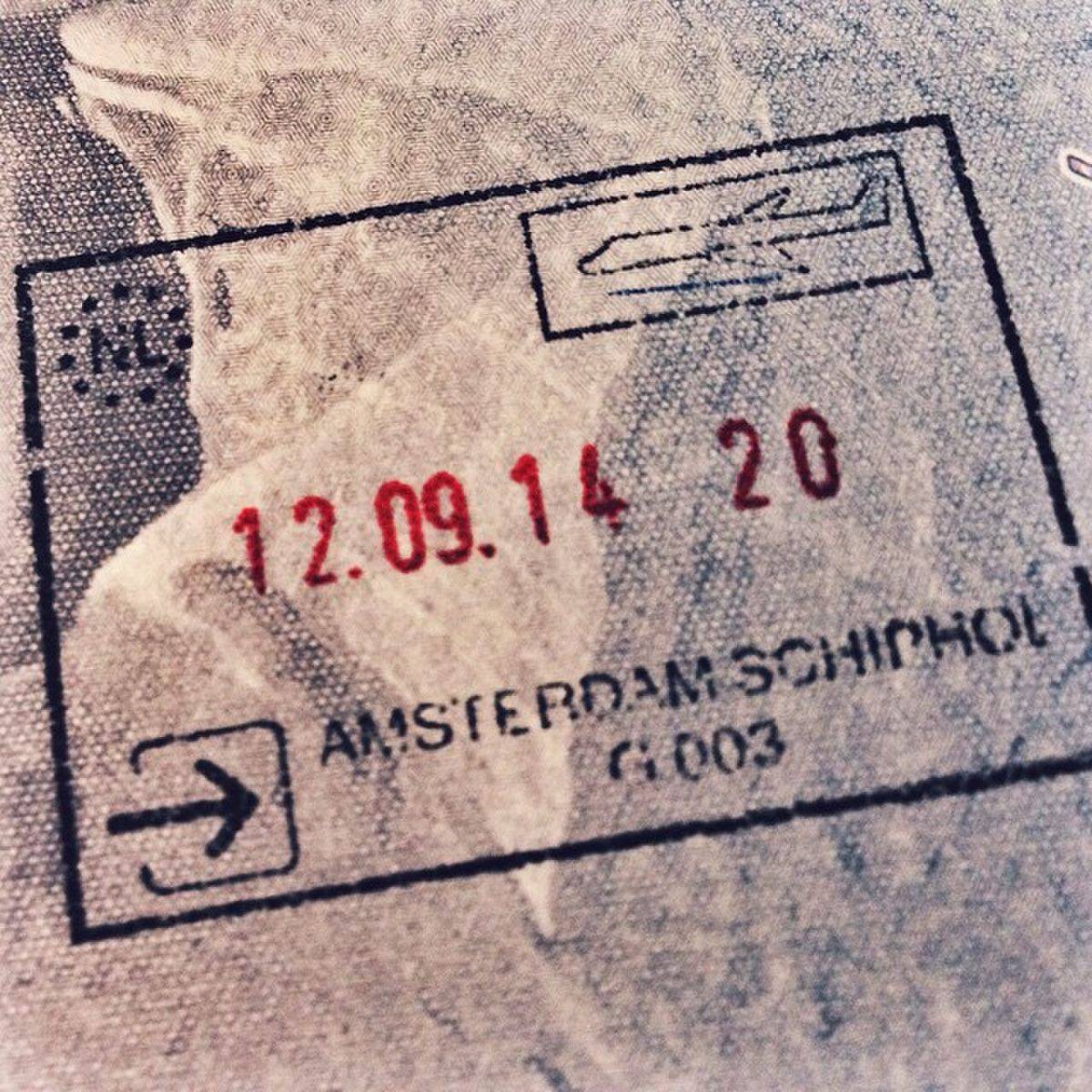
A British passport for Schengen travel in 2026 must be:
Renew the passport at the start of the 90-day countdown, not at the end. UK Passport Office renewal currently runs three to ten weeks. Doing it after the visa is granted invalidates the visa, because the visa is glued into the original passport's pages.
British citizens can visit Schengen countries (now including Bulgaria) for up to 90 days in any rolling 180-day period for tourism, business meetings, family visits, cultural or sports events, and short courses. The allowance is across all Schengen countries together: a week in Italy plus three weeks in Bulgaria plus a fortnight in Spain are 42 days against the same 90-day budget. Overstaying can trigger a Schengen-wide entry ban of up to three years.
Once you have a Type D long-stay visa, or a residence permit issued after arrival, the time you spend in Bulgaria under that document does not count against the 90-in-180 visitor allowance. Until then, every day in Bulgaria as a visitor does. Use the European Commission's Schengen calculator (search "Schengen calculator") to do the arithmetic before booking dates if you have travelled to the EU in the last six months.
The EU Entry/Exit System launched across the Schengen area in 2025 and is now operational for short-stay non-EU travellers. On entry and exit at any Schengen border, biometric details (fingerprints, face image) are registered. Travellers with a residence permit or long-stay visa for the country they are entering are exempt; British nationals legally resident in Bulgaria with the new residence card do not need to register with EES at the Bulgarian border. ETIAS (the EU travel authorisation for visa-exempt visitors) is a separate system due in 2026 with similar exemptions for residents.
Practical consequence: if you are still on the visitor allowance, your first crossings into Bulgaria will trigger EES enrolment. Allow extra time at the border. Once your residence permit is issued, carry it at every Schengen-area border, because automated gates may misread your status and ask for it.
The first fortnight is decision, not action. Get the route wrong here and every later step is wrong. The deliverable for these two weeks is one clear written statement of which route you are taking, plus a complete document folder.
One of the following describes you. Write down which one before you start anything else:
See our Residency guide for the Type D process, the residence-permit application at the Migration Directorate, the registration sequence and the five-year long-term residence path; our Brexit & WA Rights guide for the pre-2021 Article 50 residence card and the late-application route.
One physical folder, one encrypted cloud folder, and one duplicate copy with a trusted family member in the UK. Contents:
Do not apostille every document by default. Ask the Bulgarian embassy, Migration Directorate, municipality, school or other receiving body what it wants, including the acceptable original or copy, the signature to authenticate and the translation route. Where a UK Apostille is required, the standard paper service costs £45 per document plus return delivery and is normally processed within 25 working days, checked 12 August 2026. Eligible e-Apostilles follow different rules and are not accepted for every document or purpose. Use the UK documents for use in Bulgaria guide for the recipient-first decision tool, current routes and rejection checks.
An Apostille itself does not expire, but the underlying evidence or the receiving authority's rules may impose a freshness window. Ask for the current document list and age limit in writing before ordering certificates or legalisation. A medical certificate may have a particularly short validity period and should normally be obtained only when the receiving office confirms it is needed.
Weeks three and four are about the long-lead items that fail if left to the last minute: getting healthcare cover that the Bulgarian Embassy will accept on the visa application, sorting your pets if you have any, and putting your banking in a state that survives an international move.
The deeper guide: pet travel paperwork is one of the longest lead items. For the full British pet-owner's manual on the AHC process, the post-Brexit EU rule changes, airline policies, the Eurotunnel route, returning to the UK and adopting a Bulgarian rescue, see our dedicated Pets guide.
The Bulgarian Embassy requires proof of healthcare cover as part of the Type D visa application. The three routes:
A UK Global Health Insurance Card (GHIC) is for temporary stays, not for living in Bulgaria. Once you become resident, the GHIC stops being the right document. The Bulgarian Embassy will not accept a GHIC alone as proof of healthcare cover on a Type D residence application.
See our Health guide for the full S1 registration process, NHIF, English-speaking GPs and the private hospital network.
For dogs, cats and ferrets travelling from Great Britain to Bulgaria, the chain is fixed by EU law and cannot be shortened:
Total minimum lead time from a standing start with no microchip: 5 to 6 weeks. An old EU pet passport issued before 2021 cannot be used for entry to the EU from Great Britain. See our Pets guide for the AHC issuing vets, airline rules and the April 2026 EU rule changes.
Prepare your medicine details with our prescription checklist. For children, confirm school admissions documents before departure.
The mid-countdown weeks are about getting the UK tax position correct, doing the post-April-2026 National Insurance calculation, and locking in the Bulgarian address that the rest of the paperwork hangs from.
Leaving the UK does not automatically make you non-resident for UK tax. The UK Statutory Residence Test (SRT) determines residence based on a combination of days, ties (family, accommodation, work, 90-day) and split-year rules. A working-age British mover who keeps a UK home, UK family ties and a UK employer will likely fail the SRT and remain UK tax-resident for the year of move, with split-year treatment available only in specific circumstances. The 2025 RDR1 guidance, updated in May 2025 to reflect the abolition of the remittance basis and introduction of the foreign income and gains regime from 6 April 2025, is the starting point. For complex cases, get advice from a UK chartered accountant before assuming your tax position.
From 6 April 2026, voluntary Class 2 National Insurance contributions for periods abroad are abolished. The post-2026-27 voluntary route for periods abroad is Class 3 only, subject to new conditions under the updated NI38 guidance.
Class 3 is roughly five times more expensive per week than Class 2 was. The cost-benefit of buying additional UK State Pension years from abroad has changed materially. Anyone with voluntary contributions in mind should review their position with HMRC before the deadline runs against them; the older Class 2 rate may still apply to historic gap years if claimed in time under transitional provisions.
Source: gov.uk Voluntary National Insurance contributions abroad from 6 April 2026 and updated NI38.
The UK and Bulgaria have a double-taxation treaty in force, which prevents the same income from being taxed twice. The treaty does not let you choose whichever country is cheaper: residence is determined by national rules first, then the treaty's tie-breaker rules apply where both countries claim residence. Bulgaria's tax-residence test is the 183-day rule or centre-of-vital-interests; once Bulgarian-tax-resident, you are taxed on worldwide income at the 10 percent flat rate, with foreign-tax credit relief for UK tax paid on UK-source income (notably UK property income). See our Taxes guide for the 10 percent flat tax, the 183-day rule, social-security contribution rates and the treaty mechanics.
By day −60 you should have a confirmed Bulgarian address. Without one, the visa application stalls, the residence-permit application stalls, banking stalls and the removals quote is provisional. Three options:
If you haven't already, decide which Bulgarian city or town you are aiming for. The decision affects everything: which Migration Directorate office you visit, which removals destination price you get, which Bulgarian bank branch is local, which GP you register with, which school year you slot into. See our Where to Live in Bulgaria guide for the city-by-city comparison and the three-ring test that catches most location regret.
By day −45 the visa is in progress, the documents are apostilled, the pet is on the rabies clock and the bank is in non-resident-ready shape. The next fortnight is about the physical move: what to ship, what to sell, what to drive across Europe.
Three categories:
Moving personal belongings from the UK to Bulgaria is, since Brexit, an import from a third country into the EU. The EU provides duty-free relief for personal property imported by an individual transferring normal residence from a non-EU country to the EU, under Council Regulation (EC) No 1186/2009. The conditions:
What the customs paperwork needs:
A van full of newly-bought, still-in-the-box household goods looks like a commercial import, not a household relocation, and Bulgarian customs will assess duty and VAT on the lot. The relief is for your existing personal property. Decant new purchases into the existing items list or buy them after arrival.
Established UK-to-Bulgaria removal firms with regular runs include Britannia Movers, Allied Pickfords, Three Removals and a number of specialist UK-to-Bulgaria operators. Ask:
Get three quotes. Prices for a typical 3-bedroom UK house to a Bulgarian city in 2026 run €4,500 to €9,500 depending on volume, distance, port choice and timing.
Three options:
See our Driving guide for the KAT registration process, Bulgarian vignette and toll system, winter-tyre law (15 November to 1 March) and the technical-inspection regime.
Once you become Bulgarian-resident, you have one year to exchange your UK driving licence for a Bulgarian one. The exchange does not require a driving test (except for Isle of Man licences). You need:
You cannot renew or replace a UK licence while resident in Bulgaria. Leave the exchange too late and you may have a gap where neither licence is valid for driving in Bulgaria. Start the exchange process in the first 6 months after arrival, not month 11.
The last four weeks are confirmations, not new decisions. By this stage the visa should be issued (or close to it), the route-specific document treatments confirmed, the pet on the right side of its 21-day clock, the bank in non-resident-ready shape, and the removals booked. Now you tidy.
Notify only what genuinely needs notifying. Selective shutdown beats blanket cancellation.
A working UK financial footprint is genuinely useful after the move: pension receipt, HMRC interaction, 2FA, sterling FX, UK property income if you have any, emergency funds, and a fallback if your Bulgarian banking is disrupted. The British movers who later regret most decisions are those who closed UK accounts in the first month "for tidiness".
The arrival kit is the small bag of documents and essentials that survives lost luggage, late removals and a missed connection. Everything in it is unrepeatable or critical-path. Carry it on, not checked.
For most British movers, the journey is a flight to Sofia, Varna, Burgas or Plovdiv (with Sofia the only year-round international hub), or a drive across Europe with the removals lorry trailing behind. Tips:
Do not start with bureaucracy on day 1 if you are exhausted. The residence-permit application window is measured in weeks, not hours. Spend the first 48 hours sleeping, eating and walking the neighbourhood. Then start.
See our Residency guide for the residence-permit document list and the EGN (Bulgarian personal identification number) registration that follows.
The first month is when "moved to Bulgaria" turns into "legally resident in Bulgaria". The big four registrations: residence permit, EGN, utilities, address.
The deeper guide: this is the month-one registration sprint. For the deep dive on the Type D long-stay visa, the ODMVR residence-permit conversion, the apostille document chain, the 5-year permanent-residence path and the Shumen-specific office contacts, see our dedicated Residency guide.
At the Migration Directorate office for your municipality. Documents typically include:
Processing 1 to 3 months. The Migration Directorate may issue a temporary certificate while the permit is processed. Once issued, the residence permit is a plastic card valid for one year (renewable), with a personal identification number (EGN) printed on it.
The EGN is the Bulgarian equivalent of the National Insurance number, NHS number and Personal Identification Code all in one. It is issued as part of the residence-permit process. Once you have it, you can:
Once the residence permit is issued, register your address with the municipality where you live. This is separate from the Migration Directorate and is what gives you the right to use Bulgarian municipal services, register children at the local school and receive municipal correspondence.
School enrolment for children aged 4 to 16 is mandatory in Bulgaria. The Regional Education Office decides placement. If the move did not align with the September academic year, the school may place the child immediately mid-year, or recommend a preparatory Bulgarian-language year first. Ask the school and Regional Education Office which school records, health evidence, originals, Apostilles and translations apply to the child. See our Education & Schools guide for enrolment and our official-documents guide for the authentication decision.
By day 30 the residence permit is in progress, the utilities are in your name, the children are at school, and the first-month adrenaline has worn off. Months two and three are about tax position, healthcare continuity, the driving licence, and the slower work of integrating into a Bulgarian life.
By day 60 you should have a confirmed view from a Bulgarian accountant on:
Bulgaria's winter starts in November and runs through March. Tasks that should be done by day 60 if the move was in spring or summer, or immediately if you arrived in autumn:
See our Winter Survival guide for the −20°C fluid rule, pipe-freeze prevention, the provetryavane paradox and the Severnyak wind.
By month three, with the residence permit issued, start the driving licence exchange. Steps:
See our Funerals, Wills & Inheritance guide for the forced-heirship escape, the post-April-2025 UK IHT long-term resident rules, and the two-wills strategy; our Getting Married in Bulgaria guide if marriage is on the cards locally.
See our Integration & Mental Health guide for the 6-month expat dip, the chitalishte route and the 70/30 bubble rule.
The lessons every Shumen.UK reader who has moved to Bulgaria wishes someone had handed them in week one. Short, blunt, and arranged by frequency of regret.
Plan budget ranges for a couple moving from the UK to Bulgaria in 2026. Numbers in euros at the fixed conversion rate of 1 EUR = 1.95583 BGN. Real costs vary widely with property value, removal volume, family size and the route. Treat as planning data, not quotes.
| Item | Typical range | Notes |
|---|---|---|
| UK passport renewal | £88.50 per adult | Online; 3 to 10 week processing. |
| FCDO paper Apostille (standard) | £45 per document plus return delivery | Normally within 25 working days plus delivery, checked 12 August 2026. |
| Bulgarian translations | Obtain a written quote | Use the translator and certification route accepted by the receiving authority. |
| Type D visa application fee | €100 to €200 per applicant | Plus consular service charges. |
| UK police certificate (if required) | £55 | Only certain routes (employment-based). |
| Private health insurance (year 1) | €800 to €2,400 per person | Pre-S1 working-age movers; covers visa requirement. |
| Pet AHC, vaccinations, microchip | €200 to €600 per pet | Plus airline cargo fees of €200 to €500 per pet on most carriers. |
| UK-to-Bulgaria removals | €4,500 to €9,500 | 3-bed house, door-to-door, includes Regulation 1186/2009 paperwork. |
| Travel (flights / drive) | €300 to €1,500 | Two-person flights or a Dover-Sofia drive with hotels. |
| Temporary accommodation | €300 to €1,000 | First week or fortnight in hotel or Airbnb. |
| Professional advice | €500 to €2,000 | UK accountant for tax; Bulgarian lawyer for residence permit; both worth the money. |
| Item | Typical range | Notes |
|---|---|---|
| Rental deposit + first month + agent fee | €1,000 to €2,500 | Typically 2 to 3 months' rent up front. |
| Utility deposits and transfers | €100 to €400 | Electricity, water, gas where applicable. |
| Bulgarian SIM and internet setup | €50 to €150 | SIM €10 to €15; fibre installation often free with 12-month contract. |
| Bulgarian bank account opening | €0 to €30 | Some cards free; ATM withdrawals and FX have separate fees. |
| Residence permit state fee | €25 to €50 | First year, varies by route. |
| Medical certificate (for licence exchange) | €30 to €50 | One-off, valid 30 days. |
| Heating fuel | €400 to €1,500 | Annual; wood, pellets or gas; varies hugely by property and climate. |
| Used car if buying locally | €8,000 to €18,000 | 3-to-5-year-old mid-spec saloon. |
| Vignette (annual) | €48 | Bulgarian motorway pass. |
| Furniture / appliances | €1,000 to €5,000 | If renting unfurnished or completing partial-furnished property. |
Hold three to six months of living costs in accessible funds, plus a separate return-to-UK or emergency-medical reserve. The single line that British movers most often underestimate is the third-week-after-arrival fix-it bill (boiler, plumbing, internet, car). Having €3,000 available without ceremony is the difference between a smooth third week and a phone call to UK family asking for an emergency transfer. See our Cost of Living guide for the monthly tracker and the UK comparison.
The questions Shumen.UK readers ask most about moving to Bulgaria, with sourced answers.
Possibly, with the right starting position, but for most British movers in 2026 the honest answer is no. A British citizen can enter Bulgaria visa-free for up to 90 days in any 180-day Schengen period, but living in Bulgaria beyond that requires a Type D long-stay visa and a residence permit unless you are already covered by Withdrawal Agreement status, EU citizenship or a family route. The Type D visa is applied for at the Bulgarian Embassy in London with a typical 4 to 12 week processing time, and is itself only the entry document; the residence permit application happens after you arrive. Add current document legalisation and recipient-approved translation times, the 21-day pet rabies wait, removals booking, the UK Statutory Residence Test analysis and a full Schengen-day audit, and 90 days is tight but workable for a simple retiree case, generally not workable for a family with children, a business, multiple pensions or a property purchase.
Yes, unless you have another legal basis. Since 1 January 2021, British citizens are third-country nationals in EU terms. To live in Bulgaria longer than the 90-in-180-day Schengen visitor allowance, the standard route is a Type D long-stay visa applied for at the Bulgarian Embassy in London (or another consulate), citing one of several grounds: retirement (proof of regular pension income), employment (Bulgarian work permit), business (company ownership in Bulgaria), family reunification (marriage or descent), or extended foreign-resident status. The Type D visa is single-entry, valid for up to six months. Once in Bulgaria you apply for a residence permit at the Migration Directorate office in your municipality. The residence permit is initially for one year, renewable, with long-term residence available after five years.
Yes, Bulgaria counts. The 90/180 rule lets a British passport-holder spend up to 90 days in the Schengen area in any rolling 180-day period for tourism, family visits, business meetings, cultural events or short study. All Schengen days count together: a week in Italy plus three weeks in Bulgaria plus a fortnight in Spain are 42 days against the same 90-day allowance. Overstaying can trigger a Schengen-area ban of up to three years. The clock only stops if you obtain a long-stay visa or residence permit, which removes you from the 90/180 count for that country. Use the European Commission's Schengen calculator or a similar tool before booking dates if you have travelled to the EU in the last six months.
No. This is the single most expensive misconception in the British-buyer market. Property ownership is useful for accommodation proof, contributes to some long-stay routes and gives you a Bulgarian address, but it is not a residence permit. A British buyer with a holiday home in Bulgaria still has only the 90-in-180 visitor allowance unless they apply for a Type D visa and residence permit through the proper route. People who try to live in Bulgaria year-round on the visitor allowance are accumulating illegal stays even if they own the property they are living in.
An S1 is a UK-issued portable healthcare document that lets a UK State Pensioner (or certain other exportable-benefit recipients) access state healthcare in another European country at UK expense. For British retirees moving to Bulgaria with full UK pension records, the S1 is the single best healthcare answer. It must be applied for from the NHS Business Services Authority before or shortly after moving, then registered with Bulgaria's National Health Insurance Fund (NHIF). The S1 entitles the holder to access Bulgarian state healthcare on the same basis as a Bulgarian-contributing resident. Note that Bulgarian state healthcare is not free in the British NHS sense: patient fees apply for GP visits, hospital stays, prescriptions and most non-emergency services.
From 6 April 2026, voluntary Class 2 National Insurance contributions for periods spent abroad are abolished. British movers abroad can now only pay voluntary Class 3 contributions for periods abroad, subject to eligibility conditions set out in the updated NI38 guidance. Class 3 is significantly more expensive than Class 2 was (roughly five times the weekly rate), which materially changes the cost-benefit of buying additional UK State Pension years from abroad. Anyone moving in 2026 who has been paying voluntary Class 2 from abroad should review their position with HMRC before the deadline runs against them; the older Class 2 rate may still apply to historic gap years if claimed in time.
For dogs, cats and ferrets travelling from Great Britain to Bulgaria, the chain is microchip first, rabies vaccination at the same time as or after the microchip, then a 21 full days minimum wait before EU entry, then an Animal Health Certificate (AHC) issued by an official vet within 10 days of travel. The AHC is valid for 10 days for entry into the EU and 6 months for onward EU travel and re-entry to Great Britain. People living in England, Scotland or Wales cannot use an old EU pet passport for the journey; GOV.UK warns the pet may be refused entry at the border. Plan a minimum of 5 to 6 weeks from a standing start with no microchip or vaccinations.
Within one year of becoming resident in Bulgaria, according to GOV.UK Living in Bulgaria. The exchange does not require a test (except for Isle of Man licences). You will need a Bulgarian-issued medical certificate from a GP, the Bulgarian residence permit and the original UK licence. The UK licence is handed over to the Bulgarian authorities when the Bulgarian licence is issued; you cannot keep both. You also cannot renew or replace a UK licence while living in Bulgaria, which is the reason the one-year exchange window matters: leave it too late and you may be undriving for the gap. Bulgarian licence categories and lorry/HGV/minibus exchanges may require additional fitness certificates. Start the process within the first six months.
Yes, in most cases. Council Regulation (EC) No 1186/2009 (the EU Customs Reliefs Regulation) provides duty-free relief for personal property imported by an individual transferring normal residence from a third country to the EU. The mover needs a detailed inventory, proof of previous residence outside the EU, proof of new residence in Bulgaria, and evidence that the goods were owned and used before the move. New items, alcohol, tobacco, vehicles and high-value goods have their own rules. Most established UK-to-Bulgaria removal companies handle the transfer-of-residence paperwork as part of the contract; check whether yours does before booking. Vans full of newly-bought boxed goods look like commercial imports to customs and can be assessed for duty.
No, almost never. A UK bank account is genuinely useful for receiving UK State Pension or private pension, holding sterling for FX cost management, banking-related two-factor authentication, HMRC interaction, paying UK liabilities (final tax, utility settlement), and as an emergency fallback if a Bulgarian account is disrupted. UK banks have their own rules on non-resident customers and some will close accounts if you change to a non-UK address, so research the specific bank's policy before notifying them, and consider whether keeping a UK address (parents, sibling, accountant) is appropriate for that account. Two of the three biggest UK retail banks have non-resident-friendly stances; a third is notoriously strict. Plan ahead.
Rest. The next morning, get a Bulgarian SIM (Vivacom, A1 or Yettel, around 10 to 15 euros for a starter SIM with 20GB), photograph the meter readings on your rental or property (electricity, water, gas where applicable), and locate the nearest pharmacy (aptekarska), the nearest hospital emergency entrance, and the nearest supermarket. Within the first week: locate the Migration Directorate office for your address, find an English-speaking lawyer/accountant if your situation is complex, register your S1 with the NHIF if you have one. Do not try to register a residence permit on day one with jet-lagged judgment; the application window allows a few weeks.
For a couple moving from the UK to Bulgaria in 2026, plan 8,000 to 18,000 euros all-in before any property purchase, with a meaningful range depending on what you ship and what you replace locally. The big line items: UK-to-Bulgaria removals (3,500 to 8,000 euros for a 20-foot container or part-load with customs paperwork); Type D visa, apostilles, translations and consular fees (300 to 700 euros per applicant); private health insurance for the visa-application stage (800 to 2,400 euros per person per year if needed before S1 kicks in); pet AHC, vaccinations and travel (200 to 600 euros per pet); rental deposit and first month plus letting fees (typically 2 to 3 months' rent up front); Bulgarian SIM and internet setup (50 to 150 euros); car-related costs if bringing or buying a vehicle; and an emergency reserve of three to six months' living costs in accessible funds. Budget more generously than you expect; the third-week-after-arrival fix-it bill is the one most movers underestimate.
Three things that will save almost every British mover reading this guide:
And the bonus rule: the move does not end when the residence permit is issued. It ends some time around the first Bulgarian winter, the first KAT traffic stop, the first €800 boiler bill in November, the first komshiya who brings round a plate of banitsa because they noticed your light was on late. That moment is normally somewhere in month six or seven. The 90 days before you leave and the 90 days after you land are the launch ramp; the move proper is what happens next.
Related guides: Where to Live in Bulgaria · Shipping from the UK to Bulgaria · Post and couriers from Bulgaria · Residency · Brexit & WA Rights · Banking · Mobile phones and SIMs · Health · Pets · Driving · Taxes · Education & Schools · Cost of Living · Winter Survival · Getting Married in Bulgaria · Funerals, Wills & Inheritance · All guides.