
Bulgaria has, quietly, become one of the best-connected countries in Europe. Symmetrical gigabit fibre to the home for under 25 euros a month is normal. Mobile median speeds top European league tables. Fibre coverage reaches villages where the UK still relies on copper. This guide covers the three operators that matter (Vivacom, A1, Yettel), what fibre and mobile actually cost in 2026, the post-Brexit UK roaming gap, the SIM-and-banking trap that catches every new arrival, and how to keep watching BBC iPlayer once your IP address is Bulgarian.
If you have just moved over from a UK Openreach copper line, the upgrade is dramatic. Bulgaria has one of the densest fibre-to-the-home networks in Europe, mobile speeds top European league tables, and prices are roughly half the UK equivalent. Setting aside the bureaucracy of getting a SIM and a fibre line in your name, the network itself is a genuine pleasure.
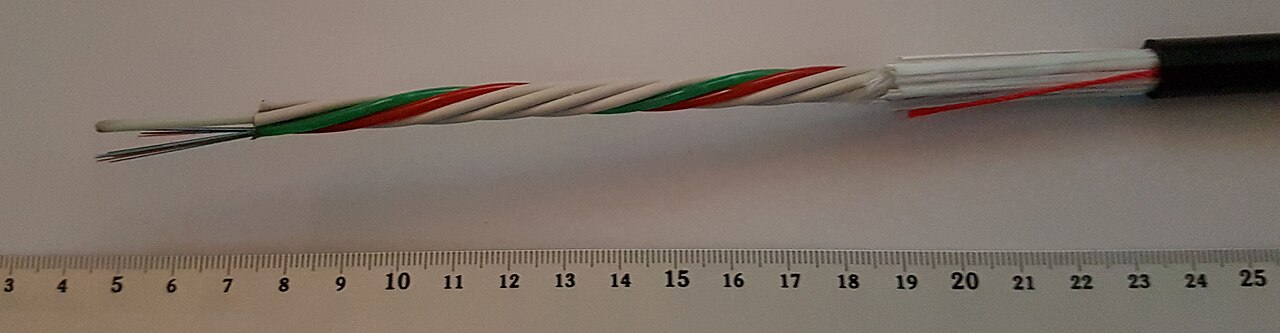
For a typical British expat household: 1 Gbps symmetrical fibre at home for around €20 to €28 per month, an unlimited domestic mobile bundle for €13 to €18, and EU roaming included. Compared with UK Openreach + a UK mobile SIM, the saving is typically 50 to 60%, and the upload speed alone (1 Gbps both ways, vs UK fibre's typically asymmetric 75-100 Mbps up) is transformative for video calls, cloud backups, and any kind of working-from-home setup.
If you work remotely, this is one of the more under-appreciated benefits of moving here.
There is no longer any meaningful "fourth operator" on mobile in Bulgaria. The market is a clean three-horse race for nationwide mobile, with regional fibre challengers in some cities. Here is the 2026 picture, with ownership changes that older guides typically get wrong.
Bulgaria's incumbent, formerly the state-owned BTC. Now owned by United Group since the deal completed on 31 July 2020 (enterprise value approximately €1.2 billion). United Group itself is majority-owned by BC Partners, the British private-equity firm that bought the controlling stake from KKR in 2019. The "KKR owns Vivacom" line in older guides is now wrong.
Vivacom is the largest fixed/fibre player and has the broadest 5G footprint by population, claiming around 92% population coverage as of late 2025. On mobile it is roughly tied for second by subscribers. In 2024 it absorbed Bulsatcom in Bulgaria's largest-ever telecom merger, consolidating IPTV.
Subsidiary of A1 Telekom Austria Group, which is in turn majority-owned by América Móvil. Largest mobile operator by subscribers in 2026: around 2.9 million customers, approximately 36% subscriber-share per Mordor Intelligence. Strongest network performance in Sofia and the major cities; A1 has the highest 5G download speeds in the market (Opensignal's January 2025 Bulgaria report puts A1's median 5G download at around 349 Mbps, ahead of Vivacom and Yettel).
Rebranded from Telenor Bulgaria in 2022 after PPF Group's acquisition of Telenor's CEE assets. Major ownership change in October 2024: UAE-based e& (Etisalat Group) closed its acquisition of a majority stake in PPF Telecom's Bulgarian, Hungarian, Serbian and Slovak operations on 25 October 2024, including Yettel Bulgaria and the CETIN towerco. e& has since injected capital for 5G densification. Roughly 2.3 million subscribers, around 31% subscriber-share. Strong on price competition and urban coverage.
Three big mobile networks, three big fibre networks, plus regional fibre challengers. United Group has not divested Vivacom (an older rumour). The only material 2024-26 ownership change is e& taking control of Yettel via PPF.
All three operators raised monthly subscription fees in March 2025 (A1 +9.5%, Vivacom +4.5%, Yettel +9.5% per Novinite). The figures below reflect post-rise pricing converted from leva at the fixed euro rate. Treat exact euro figures as approximate; check operator websites for current promotions.
The deeper guide: this is the broadband-mobile overlap. For the deeper comparison of A1 vs Yettel vs Vivacom contracts, prepaid SIMs, travel eSIMs, the post-Brexit UK roaming gap and the dual-SIM banking trick, see our dedicated Mobile Phones, SIMs & Contracts guide.
| Tier | Typical price | Inclusions |
|---|---|---|
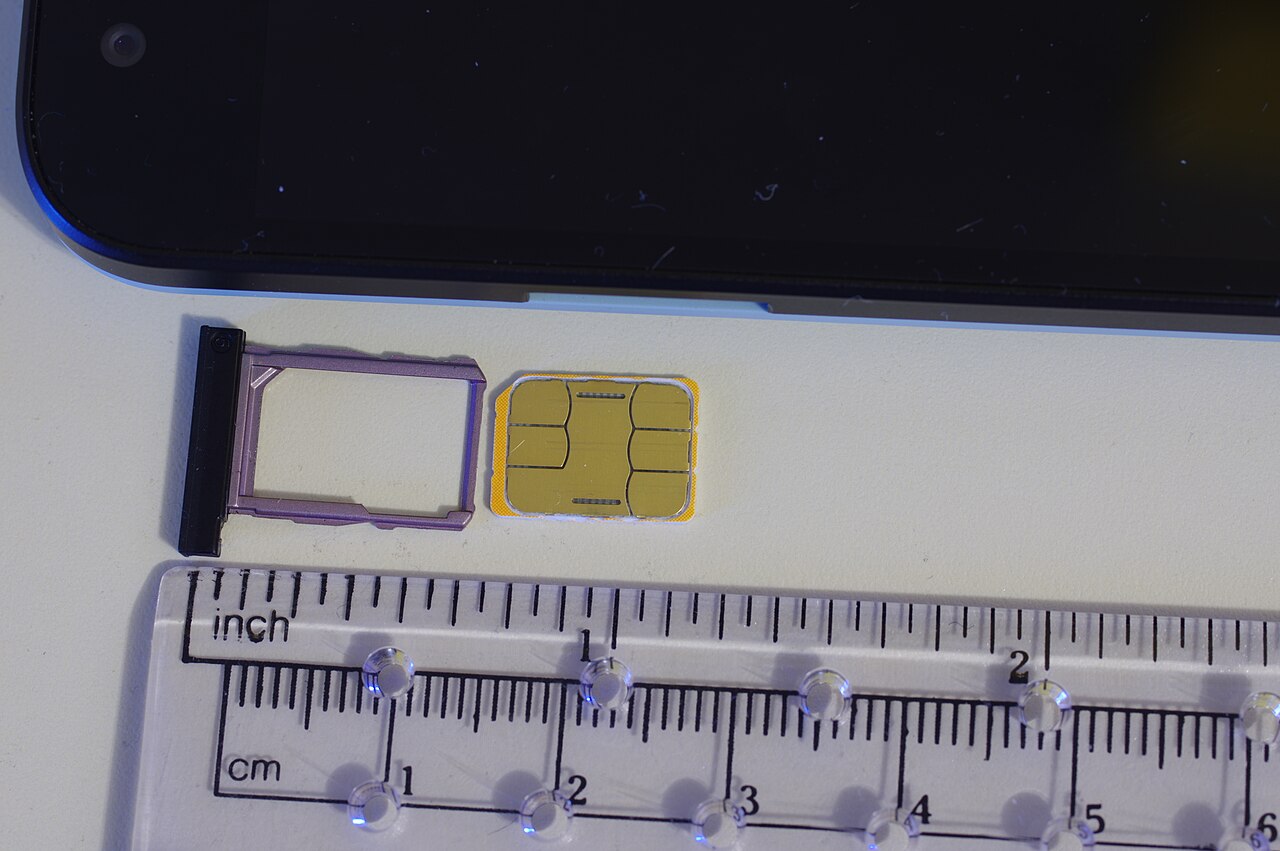
| Entry | €8 to €11 / month | Unlimited domestic voice + SMS, 15-30 GB data, EU roaming included up to fair-use cap |
| Mid | €13 to €18 / month | Unlimited voice + SMS, 50-100 GB data, generous EU roaming |
| Premium | €22 to €35 / month | Unlimited everything domestic + EU, up to 50 GB EU roaming, 5G priority, occasional handset subsidy |
All three operators now market entry tiers as "unlimited domestic data" with progressive throttling above a fair-use threshold rather than hard caps. Bundle discounts of 20-40% apply if you also take fibre or IPTV from the same operator. Reconfirm exact pricing on the operator's site on the day you sign.
Source: Traveltomtom 2026 Bulgaria SIM guide.
All three operators support eSIM for both prepaid and postpaid as of 2024. Activation is via QR code in-store or, for existing customers, via the operator's app. Travel-eSIM apps (Holafly, Airalo, Saily) all serve Bulgaria; useful for short trips but more expensive per-GB than buying a local prepaid.
The genuine bargain. For a Brit moving over from UK Openreach pricing, the value is roughly 50-60% cheaper for the same speed, with symmetrical (matching upload and download) on every tier.
| Speed (symmetrical) | Typical monthly cost | Notes |
|---|---|---|
| 100 / 100 Mbps | €8 to €12 | Often on entry promo at €5-7 for first 6 months |
| 300 / 300 Mbps | €12 to €17 | Most popular tier; routinely promoted to €10 |
| 500 / 500 Mbps | €15 to €20 | Bundled with IPTV adds €2-4 |
| 1 Gbps / 1 Gbps | €20 to €28 | Frequently advertised at €20 with 12-month commitment |
Per the Bulgarian Electronic Communications Act, fixed-term contracts can only be auto-renewed with the subscriber's explicit written consent. In practice the standard 24-month contract converts into a rolling indefinite contract at expiry that you can cancel with one month's notice without penalty. Operators are required to notify you before expiry. This is materially better consumer protection than the UK's old "ransom-renewal" model that locked customers into another minimum term automatically.
CRC source: crc.bg/en.
5G launched commercially in Bulgaria in late 2020 (A1 first to market) and accelerated through 2022-24 after the 700 MHz auction. By 2026 it is the default in cities and along major motorways.
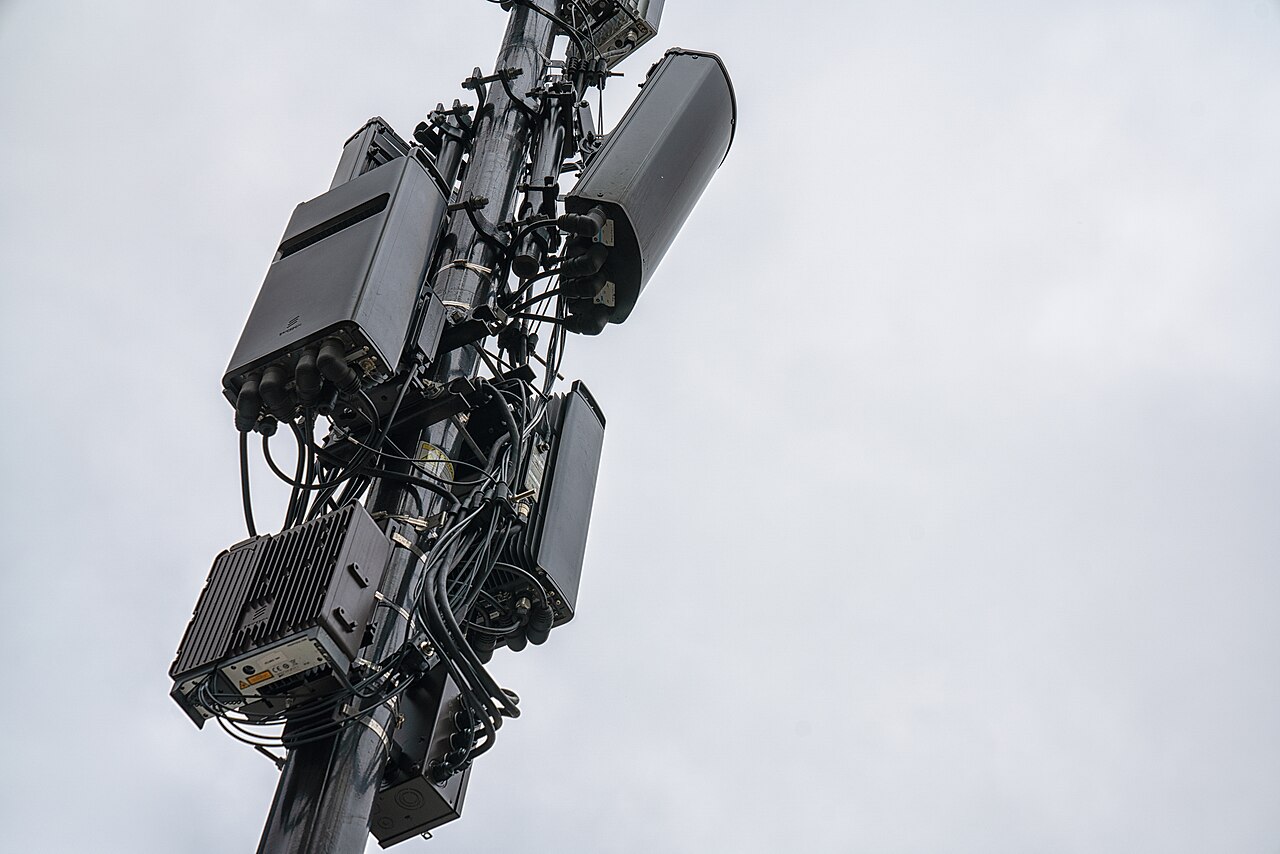
Confidently 5G-covered cities: Sofia, Plovdiv, Varna, Burgas, Stara Zagora, Veliko Tarnovo, Ruse, Pleven, Pazardzhik. Shumen has confirmed 5G from all three operators in the city centre, with 4G+ in surrounding villages. Mountain regions (Rhodopes, Pirin) remain primarily 4G.
Almost any modern handset (iPhone 12 onwards, recent Samsung Galaxy/Pixel/Xiaomi) supports the Bulgarian 5G bands (n78 for mid-band, n28 for 700 MHz). 5G access is included in standard tariffs at no premium across all three operators.
Reference: CMS Expert Guide on 5G in Bulgaria.
Bulgarian law requires SIM registration with photographic ID. There is no legal way to buy an unregistered prepaid SIM. The good news: a UK passport is sufficient for prepaid, so visitors can be on a Bulgarian network within 10 minutes of landing.
Passport only. Walk into any operator store or major-airport kiosk. SIM activated on the spot. No proof of address, no residence permit needed. SIM remains active as long as you top up periodically (typically every 6-12 months).
Sofia airport has Vivacom and A1 kiosks in arrivals; Burgas and Varna airports also have stores. Going via central Sofia? Every shopping centre has multiple operator stores and they all sell prepaid SIMs in five minutes.
Requires:
Until you have an LNCh, your practical options are:
Free, mandatory under the Electronic Communications Act, typically completed within 1 working day of the request to the new operator. The 7-day window mentioned in older CRC documentation is the maximum, not typical.
The right operator depends on where you live. The summary: Vivacom for villages and rural; A1 for major cities; Yettel for aggressive urban pricing.
| Operator | Strength | Weakness |
|---|---|---|
| Vivacom | Best rural and small-village coverage; legacy BTC towers reach corners others don't. The default for anyone living outside the big cities. | Sometimes slower peak speeds in dense central Sofia. |
| A1 | Fastest in Sofia, Plovdiv, Varna and along motorways. Best 5G download speeds. | Coverage holes in remote Rhodope and Pirin villages. |
| Yettel | Aggressive urban pricing, decent Sofia coverage. | Patchy rural reach; weakest of the three for hill villages. |
CellMapper's user-generated coverage map is a useful sanity check before signing: cellmapper.net (Vivacom shown; switch MNC to 1 for A1, 5 for Yettel).
The post-Brexit roaming landscape has bedded in over the last two years. Most UK networks now charge for EU roaming again, Bulgarian networks include EU roaming on the home bundle but not the UK, and most Brits in Bulgaria end up dual-SIMing a UK lifeline next to their main Bulgarian number.
Bulgaria has been inside the EU "Roam-Like-At-Home" framework since 2017 and remains so post-euro-adoption. EU roaming is included on the home bundle subject to fair-use; once you exceed fair-use, BEREC-regulated surcharges apply.
The UK is no longer in EU RLAH for Bulgarian operators. A British expat with a Bulgarian SIM travelling back to the UK pays add-on UK roaming or buys a UK day-pass from their operator. Check the operator's website for current UK-pass pricing before travel; pricing changes too often to bake into evergreen content.
British visitors with UK SIMs face the post-Brexit roaming reintroduction, now firmly bedded in. As of 2026:
Always check current charges on operator pages; gov.uk has consolidated guidance: gov.uk/using-your-mobile-in-eu-and-eea-countries.
Supported by all three Bulgarian operators on most modern phones. Useful in concrete-walled village houses where mobile signal is poor but you have fibre Wi-Fi.
Lebara at £5-7/month or SMARTY at similar pricing kept active in a spare phone (or a dual-SIM slot) is the standard expat fix. You need it for:
The single most common reason a new Bulgarian-resident Brit's online card purchases stop working. Your old UK SIM sits in your phone, but you've moved to a Bulgarian SIM, and you forgot to update your bank.
Most Bulgarian banks default to SMS-based 3D Secure for online card purchases. The bank texts a 6-digit code to the registered mobile number. If you've changed to a Bulgarian SIM and not updated the bank's records, the code goes to your dead UK number and the transaction silently fails with a generic "declined" message.
The fix: update the registered mobile in-branch or via app within 48 hours of activating any new SIM. UniCredit Bulbank and Postbank have largely shifted to app-push authentication, which is more reliable and immune to this problem. DSK, Fibank and the smaller banks tend to default to SMS, which is the issue.
Same trap applies in reverse: if you swap your Bulgarian SIM, update the registered number with every Bulgarian bank account before throwing the old SIM away. See our Banking guide for the full picture.
Almost all UK streaming is geo-blocked from a Bulgarian IP address. The fix is universal (a VPN), but there's an art to making it painless across the household.
A reputable VPN (NordVPN, ExpressVPN, Mullvad, Surfshark) on a Smart TV, Apple TV, or Fire Stick. The premium Bulgarian fibre headroom means a VPN tunnel barely dents the connection: streaming 4K through a VPN to a UK exit node is comfortable on a 300 Mbps line and trivial on 1 Gbps.
If you have multiple devices in the house and you don't want to install a VPN on each one, a travel router (the GL.iNet range is the standard recommendation) running the VPN at the network level routes all downstream traffic through the UK. Plug it into your Vivacom or A1 router via Ethernet, configure once, and every device joining its Wi-Fi network appears to be in the UK. Cost: around £50 for the hardware plus the VPN subscription.
Routers supplied by Vivacom or A1 typically lack VPN support; running the VPN on your own downstream router or per-device is normal.
If you watch BBC iPlayer from Bulgaria via a VPN, the TV Licensing rules technically still apply because the "watching live or catch-up on iPlayer" test is what triggers the licence requirement, not where you are. In practice, enforcement against UK-licence-holders abroad is non-existent. If you don't have a UK TV licence and don't watch live BBC TV or iPlayer, no licence is required regardless of where you live. UK households that have given up the licence and switched to streaming-only are increasingly common.
A pattern of small, predictable failures that catch new arrivals. None of them is a deal-breaker; all of them are avoidable.
Contracts are in Bulgarian; the English copy operators offer is informational, not legally binding. Ask for both, and never sign Bulgarian-only paperwork without independent translation. Important clauses to check: contract length, monthly fee post-promo, early-termination penalty (typically remaining months × €5-15), auto-renewal language.
Headline €5/month for 100 Mbps is usually only the first 3-6 months; the standard fee is €10-12. Always check the post-promo price before signing.
Up to the full remaining contract value on some deals. For a 24-month contract terminated at month 6, you can owe €100-200.
€0.50-1.50 per month if you don't opt for e-billing. Insist on email billing.
Once you hit your data cap on a prepaid bundle, speeds drop to around 64 kbps until you top up or buy an add-on. Postpaid plans typically don't throttle below the EU fair-use line.
Many English-language guides still quote leva and 2023-24 promo prices. Always cross-check against the operator's own website on the day you order.
Some Yettel paperwork still references Telenor terms (Yettel rebranded in 2022 but didn't update everything). Ask for the current Yettel-branded contract.
A subsidised handset effectively locks you into a 24-month tariff with a minimum spend. Run the maths: a SIM-only deal at €10/month plus an outright handset is almost always cheaper than a "free iPhone" on a €40/month plan.
The Communications Regulation Commission (Комисия за регулиране на съобщенията) is Bulgaria's telecoms regulator, the equivalent of UK Ofcom. It handles licensing, spectrum allocation, number portability rules, consumer-protection enforcement and dispute mediation between subscribers and operators.
CRC mediates and enforces regulatory breaches. It does not award damages directly, that's a civil court matter. But its mediation usually produces a settlement: the operator returns the disputed amount, applies a credit to your account, releases you from the contract early, or fixes the underlying technical issue.
For the typical British expat dispute (mistaken extra charges, refusing to honour a promo, premature termination fee), CRC's intervention is usually sufficient.
By user type, with current 2026 pricing.
The questions readers ask most about internet, mobile and connectivity for British expats in Bulgaria.
Yes, on both counts. Bulgaria sits in the global top-10 for both fixed and mobile broadband on the Speedtest Global Index. Symmetrical 1 Gbps fibre is widely available in cities at 20 to 28 euros per month, roughly half the UK price for equivalent speed. FTTH coverage reaches around 73% of households per FTTH Council Europe data, well ahead of Germany or the UK. Mobile median download speed is approximately 290 Mbps, top of Europe.
For city-dwellers (Sofia, Plovdiv, Varna, Burgas) A1 is fastest on 5G with the best Sofia coverage; Yettel is competitive on price. For rural and small-village living, Vivacom is the default because it has the broadest legacy tower footprint inherited from the old state operator BTC, and reaches villages others don't. For Shumen specifically, all three have full 5G in the city centre and good 4G+ coverage in surrounding villages, so the choice comes down to price and contract terms.
Yes for pre-paid: just bring your passport. Bulgarian law requires SIM registration with photographic ID, but a UK passport is sufficient for pre-paid. Walk into any Vivacom, A1 or Yettel store, or use the kiosks at Sofia/Burgas/Varna airports. Around 6 to 10 euros gets you a starter SIM with 12 to 25 GB of data and a small calling allowance, valid 30 days. Post-paid contracts are different: they need a Bulgarian residence permit (LNCh card) and a Bulgarian address, so they are not normally available to short-term visitors.
Yes. Bulgaria is in the EU Roam-Like-At-Home framework: your domestic bundle (calls, SMS and a fair-use data allowance) works across all EU/EEA states with no surcharge. Once you exceed the fair-use cap, BEREC-regulated surcharges apply. The exception is the UK: post-Brexit, the UK is outside RLAH, so a Bulgarian SIM in the UK either uses a UK day-pass from your operator or pays per-minute and per-MB rates. Always check the operator's UK-pass pricing before travel.
Yes, but most UK networks now charge for EU roaming post-Brexit. As of 2026, Three and EE charges around 2.59 pounds per day for EU passes, Vodafone is in a similar band, O2 has so far retained free EU roaming with a 25 GB fair-use cap, and SMARTY (Three's MVNO) plus Lebara include EU roaming on most plans up to a 12 GB cap. Always check current charges with your specific UK operator before travel; the picture moves regularly.
Roughly half UK pricing. Indicative monthly tariffs on a 24-month residential contract: 100/100 Mbps symmetrical at 8 to 12 euros, 300/300 Mbps at 12 to 17 euros, 500/500 at 15 to 20 euros, 1 Gbps symmetrical at 20 to 28 euros. Many tiers come on first-period promotional pricing of 5 to 7 euros for the first 3 to 6 months, then revert to standard. Setup is typically 10 to 30 euros, often waived. Engineer install in 2 to 7 working days. Router supplied free on hire.
Walk into a Vivacom, A1 or Yettel store with: passport, Bulgarian residence permit (LNCh card), and proof of address (rental contract or property deed). Order placed same-day. Engineer arrives within 2 to 7 working days in cities, longer in remote villages. Setup fee 10 to 30 euros, often waived on 24-month contracts. There is a 14-day cooling-off period for distance contracts, but in-store contracts are binding immediately. Always ask for an English summary alongside the Bulgarian master contract; never sign Bulgarian-only paperwork without independent translation.
Almost always the SMS 3D-Secure trap. Most Bulgarian banks default to SMS-based 3D Secure for online card purchases. The bank texts a 6-digit code to the registered mobile number, and if you have changed SIM and not updated the bank's records, the code goes to your dead UK number and the transaction fails with a generic "declined" message. Update the registered mobile in-branch or via app within 48 hours of activating any new SIM. UniCredit Bulbank and Postbank have largely shifted to app-push authentication, which is more reliable. See our Banking guide for the full picture.
BBC iPlayer, ITV X, Channel 4 and most other UK streaming services are geo-blocked from a Bulgarian IP address. Practical solutions: install a reputable VPN (NordVPN, ExpressVPN, Mullvad, Surfshark) on your Smart TV, Apple TV or Fire Stick. The premium Bulgarian fibre headroom means a VPN tunnel barely dents the connection. A travel router (GL.iNet) running the VPN at the network level is convenient because all devices in the house route through the UK without per-device configuration. Routers supplied by Vivacom or A1 typically lack VPN support, so run the VPN downstream.
Yes, widely. All three operators run 5G. Vivacom claims around 92% population coverage, the broadest geographic reach. A1 has the strongest 5G download speeds (Opensignal January 2025 reports median around 349 Mbps). Yettel has dense urban 5G in Sofia, Plovdiv, Varna and Burgas. Confidently 5G-covered cities include Sofia, Plovdiv, Varna, Burgas, Stara Zagora, Veliko Tarnovo, Ruse, Pleven, Pazardzhik and Shumen. Mountain regions (Rhodopes, Pirin) remain primarily 4G. Modern handsets (iPhone 12 and later, recent Samsung, Pixel, Xiaomi) support the Bulgarian 5G bands, and 5G is included at no premium on most tariffs.
Better. Under the Bulgarian Electronic Communications Act, fixed-term contracts can only be auto-renewed with the subscriber's explicit written consent. In practice, the standard 24-month contract simply converts into a rolling indefinite contract at expiry that you can cancel with one month's notice without penalty. Operators must notify you before expiry. This is materially better consumer protection than the old UK "ransom-renewal" model that locked customers into another minimum term automatically.
The escalation order is: first, the operator's own complaints channel (every operator has one, accessible online or in-store). Second, the Bulgarian Consumer Protection Commission (KZP) at kzp.bg or 0700 111 22 for consumer-rights issues like billing disputes and contract terms. Third, the Communications Regulation Commission (CRC) at crc.bg for regulated-service issues, number portability, and licensing matters. CRC will mediate between you and the operator, with outcomes typically in 30 to 60 days. Fourth, civil court as the final escalation.
Lebara or SMARTY at 5 to 8 pounds per month is the standard expat fix. Keep the SIM in a spare or dual-SIM phone, top up with a small monthly bundle, and use it for UK-bank SMS-OTP, occasional UK calls, and maintaining your UK number for services that won't accept a foreign number. Alternative: a UK SIP/VoIP number from sipgate, Voipfone or Andrews and Arnold, redirected to your Bulgarian mobile, costs around 1 to 2 pounds per month plus call charges. UK callers pay UK rates either way.
Bulgaria's connectivity is genuinely one of the country's better-kept secrets. World-class fibre at half UK prices, top-of-Europe mobile speeds, three competent operators, and consumer protections (auto-renewal rules, CRC mediation) that compare favourably with the UK. The friction is at the edges: getting the post-paid contract requires a residence permit, the UK roaming gap nips visitors and travelling expats, and the SIM-and-banking interaction catches every newcomer once.
Three things to do this month, regardless of how settled you are:
Related guides: Banking · Utilities · Cost of living · Taxes · Residency · All guides.