
Bulgarian utilities have two big traps for British expats that the rest of the internet doesn't tell you about: the DPI safety-net gap that lets you be cut off without grace period, and the business-tariff ambush that lands automatically on every British buyer of a house with land. Plus the rest of it: regional providers, Toplofikatsia, the cheapest way to heat a flat, and how to actually pay a Bulgarian bill.
A quick orientation before the deep dive. Bulgaria's utility market is regional rather than national for the wires-and-pipes: three electricity-distribution territories, a regional water utility per oblast, district heating in a handful of cities, gas in a fraction of buildings. The supplier you actually pay (the company on the front of your bill) sits on top of those wires and is increasingly something you can choose, especially since EU-driven liberalisation extended to households.
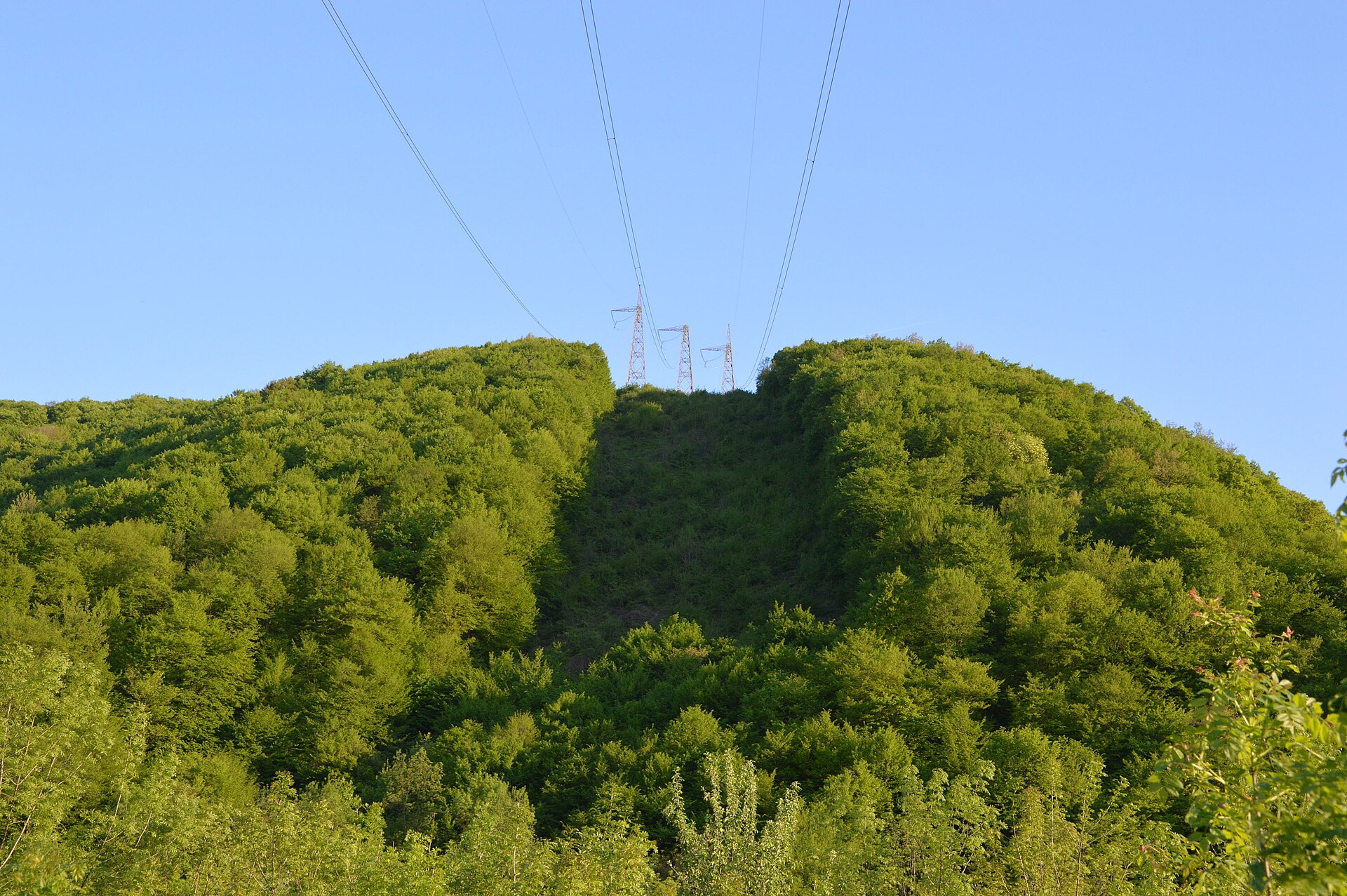
The simple mental model is two layers: physical infrastructure (wires, pipes, fibre) is owned by a regional or municipal monopoly that you cannot choose. The supply contract (the bill) is issued by a company that you increasingly can choose, but most British expats default to the regional public-supply company that sits on the wires.
This guide focuses on what actually happens when you walk into a Bulgarian utility office, what the contract really says, and the two specifically-British traps that the average travel blog never warns you about. Cross-link material lives in our Renting guide (which covers how utilities sit inside a tenancy), our Cost of Living guide (live monthly costs) and our Property guide (the buying side).
Bulgaria's electricity grid is split between three regional distributors. You cannot choose which one supplies your wires. You can, since liberalisation, choose which company sits on top of those wires sending you bills, but in practice over 90% of all Bulgarian households (British expats and Bulgarian families alike) stay with the default regional supplier. The maths rarely works for switching at household scale; it's a step that matters more for high-consumption businesses.
Formerly CEZ Bulgaria. CEZ sold its Bulgarian assets in July 2021 to Eurohold Bulgaria and the brand was rebranded to Electrohold. Covers Sofia city plus western Bulgaria. Portal at electrohold.bg, app: Електрохолд Онлайн. English-speaking staff sometimes available at central Sofia office; phone support effectively Bulgarian-only.
Owned by Austria's EVN AG. Covers Plovdiv, Stara Zagora, Burgas, Sliven, Haskovo and the south. Portal at evn.bg, well-designed app with English UI. The cleanest customer experience of the three; the Austrian parent has visibly invested in process. Smart-meter rollout furthest along in Bulgaria.
Owned by the Czech Energo-Pro a.s. Covers Varna, Shumen, Veliko Tarnovo, Ruse, Dobrich and the north-east. Portal at energo-pro.bg, app available. English support is Bulgarian-first; documents available in English on request. The provider with the most assertive advance-payment rules (see Section 5).
Whether you're renting or buying, the meter (партида, partida) is in someone's name. As a tenant on a rental contract the partida usually stays in the landlord's name and you reimburse them, or you take it over with the landlord's written permission. As a buyer you change the partida to your name within a few days of completion, taking a final reading at handover so the previous owner gets the closing bill.
To open or change a partida, the regional distributor wants:
Allow 5-10 working days for the name change to go through. The first bill arrives two weeks to a month later, depending on billing-cycle timing.
Bulgarian household electricity is among the cheapest in the EU, and post-euro-changeover figures put it at roughly €0.13-0.18 per kWh on the standard regulated tariff including VAT and grid charges (May 2026, verify current EWRC decision). Day/night split is available at all three providers: night band roughly 22:00-06:00, 30-40% cheaper per kWh, useful if you run a boiler or charge an EV overnight.
The standing charge is small (€3-6/month for a residential connection), but it accrues even when you're abroad. A Sofia flat used four weekends a year still owes around €50 a year just to stay connected.
EU Directive 2019/944 committed Bulgaria to 80% smart-meter coverage by end-2024; that deadline slipped. EVN is the furthest ahead, Electrohold mid-pack, Energo-Pro slowest. Replacement cost is paid by the distributor through regulated network charges, not billed to you. Half-hourly granular usage data is mostly not yet exposed to households via portal; it sits with the distributor.
The market is partially liberalised: households can voluntarily move to a free-market supplier from a list of EWRC-licensed traders. The wires company stays the same, only the supplier label on your bill changes. Switching takes one billing cycle and costs nothing. Active household-facing free-market traders include GEN-I Bulgaria, Toki Power, MOST Energy and Synergon Energy. Bulgaria-wide take-up among households is still under 10% as of late 2025; the maths is rarely worth changing for a household-sized account, and most expats simply stick with the regional public supplier.
This is the single most important piece of utilities information for a British arrival in Bulgaria, and almost no English-language guide mentions it. If you don't actively pick a supplier on a new connection, Bulgarian law places you on DPI by default. DPI is dramatically more expensive than the regulated tariff, and DPI customers do not enjoy the residential disconnection grace period that protects normal household customers.
DPI (Доставчик от последна инстанция) means "Supplier of Last Resort", defined in Article 95a of the Bulgarian Energy Act. Each of the three regional distributors holds a separate DPI licence in addition to its public-supply licence. DPI is a stop-gap commercial arrangement, not a household tariff.
You end up on DPI if: (a) your free-market supplier loses its licence, goes insolvent, or is suspended from the balancing group, (b) you have a new connection and have not signed a supply contract with anyone, or (c) you're evicted from a balancing group and not picked up by another trader within the regulatory cure period.
The DPI tariff is calculated as the IBEX (Bulgarian Independent Energy Exchange) day-ahead weighted average plus a regulated mark-up, plus network charges, plus a risk premium. EWRC sets the mark-up deliberately above both the regulated public-supply tariff and typical free-market offers. It is designed as a punitive backstop, not a discount. In practice DPI prices run 30 to 80 percent above what the customer would have paid on a normal contract (verify current EWRC mark-up factor).
Customers on the regulated public-supply tariff benefit from the standard residential disconnection procedure: written notice, a 20-day grace period, and a hardship process before they can be cut off (verify the current EWRC General Terms).
DPI customers do NOT enjoy the same statutory grace. A DPI supply contract is a stop-gap commercial arrangement under ZE Article 95a; the customer can be disconnected on much shorter notice, and in some cases before a formal monthly invoice has been issued, because the DPI relationship is priced on a rolling spot-cost basis.
British expats who arrive, complete on a property, never sign a supply contract with anyone, and then find the lights off three weeks later for non-payment of an invoice they never received, have been caught by exactly this gap.
The most common path onto DPI for a British buyer is the handover gap between completion and the new supply contract. The previous owner cancels their contract on Notary Day. If you have not signed yours by the next morning, your meter is technically without a supplier, and the regional distributor automatically slots you onto DPI to keep the lights on.
Many Brits assume there's a 30-day "grace period" because that figure shows up in residency registration paperwork. That grace period is for address registration with the municipality, not electricity supply. The DPI clock starts the moment the previous owner walks out of the supplier's office. Sign your own contract the same day as completion, ideally at the supplier's office on the way home from the notary.
Almost every British buyer of a Bulgarian house with land ends up on a business electricity tariff without realising. This is structural to Bulgarian law, not a mistake by the distributor, and unwinding it is impossible without selling the land.
Article 22 of the Bulgarian Constitution prohibits foreign natural persons from directly owning certain categories of land (apartments in multi-unit buildings are an exception). EU citizens gained the right to acquire land from 2014, but post-Brexit British nationals are once again third-country nationals and cannot directly own land in Bulgaria. The standard workaround is to incorporate a Bulgarian limited company (OOD or single-member EOOD) and have the company buy the property.
The electricity meter (партида) for a house with land is registered to the property owner. If the owner is a company, the meter goes onto a non-domestic (business) tariff with the local distributor. This applies even if the only occupant is the British shareholder living in the house as a private home with no commercial activity.
No regulated household price. Business meters sit on a free-market contract from day one. Tariff structure is different: standing charges higher, day/night differential may not apply the same way.
No 20-day residential disconnection grace period. Business customers can be cut off on standard commercial terms, which means much shorter notice.
VAT treatment is different. Standard rate is 20%. A registered company can in principle reclaim input VAT on electricity, but only if the company is VAT-registered (mandatory above €51,129 equivalent annual turnover, voluntary below) and only to the extent the consumption supports taxable economic activity. A dormant property-holding EOOD with no rental income or trade has no output VAT to offset, so the input VAT becomes a sunk cost.
Honestly, not much, if the property has land:
If the property comes with land classified as agricultural (Земеделска земя, zemedelska zemya), the OOD/EOOD route is not just the standard workaround, it is a legal requirement for non-EU citizens. Article 22 of the Constitution explicitly bars foreign natural persons from owning agricultural land, and post-Brexit British nationals fall back into that category. There is no individual workaround: a British buyer of a village house with attached vineyard, orchard, paddock or garden classified as agricultural must buy through a Bulgarian company. Our Property guide covers the legal mechanics in detail.
Honest contextual update: the price hit on a business tariff has narrowed significantly since the 2022-2023 energy-crisis peak. As Bulgaria's free-market wholesale prices stabilised post-2024, the gap between business and residential rates closed to a more manageable 10-25% in normal-consumption months (verify current EWRC quarterly review). The substantive disadvantage of being on a business tariff in 2026 is no longer "punishing prices" so much as the loss of the 20-day residential disconnection grace period and the more aggressive advance-payment clauses (see Section 5). Build the business tariff into your budget, but don't expect it to double your bill.
The honest framing: the business tariff is a known cost of buying a Bulgarian house with land as a Brit. Build it into your budget rather than fight it. If the budget hurts, buy a flat instead.
Specific to north-east Bulgaria (Varna, Shumen, Veliko Tarnovo, Ruse, Dobrich): if your monthly consumption exceeds a threshold defined in Energo-Pro's General Terms, the company can require you to pay an advance equal to roughly 50% of the projected next-month bill in addition to the current month's bill.
The threshold is kWh-based, not euro-based, and is published in Energo-Pro's "Общи условия" (General Terms) at energo-pro.bg. It targets high-draw customers, the kind of consumption profile that comes from:
If you're a British owner of a stone-built rural house in the Veliko Tarnovo area, heating it with a couple of fan heaters in January, you can cross the threshold quickly. The 50% advance lands as a separate line on the next bill, and if you don't pay it, the disconnection clock starts.
EVN and Electrohold both have analogous advance-payment clauses in their General Terms but apply them less aggressively in practice. All three are permitted under EWRC rules for high-volume or high-risk accounts.
Bulgarian water is potable nationwide, supplied by regional utilities. The Sofia-vs-elsewhere split is the only real complication, and the Sofia setup specifically separates cold water from hot water in a way that catches Brits out.
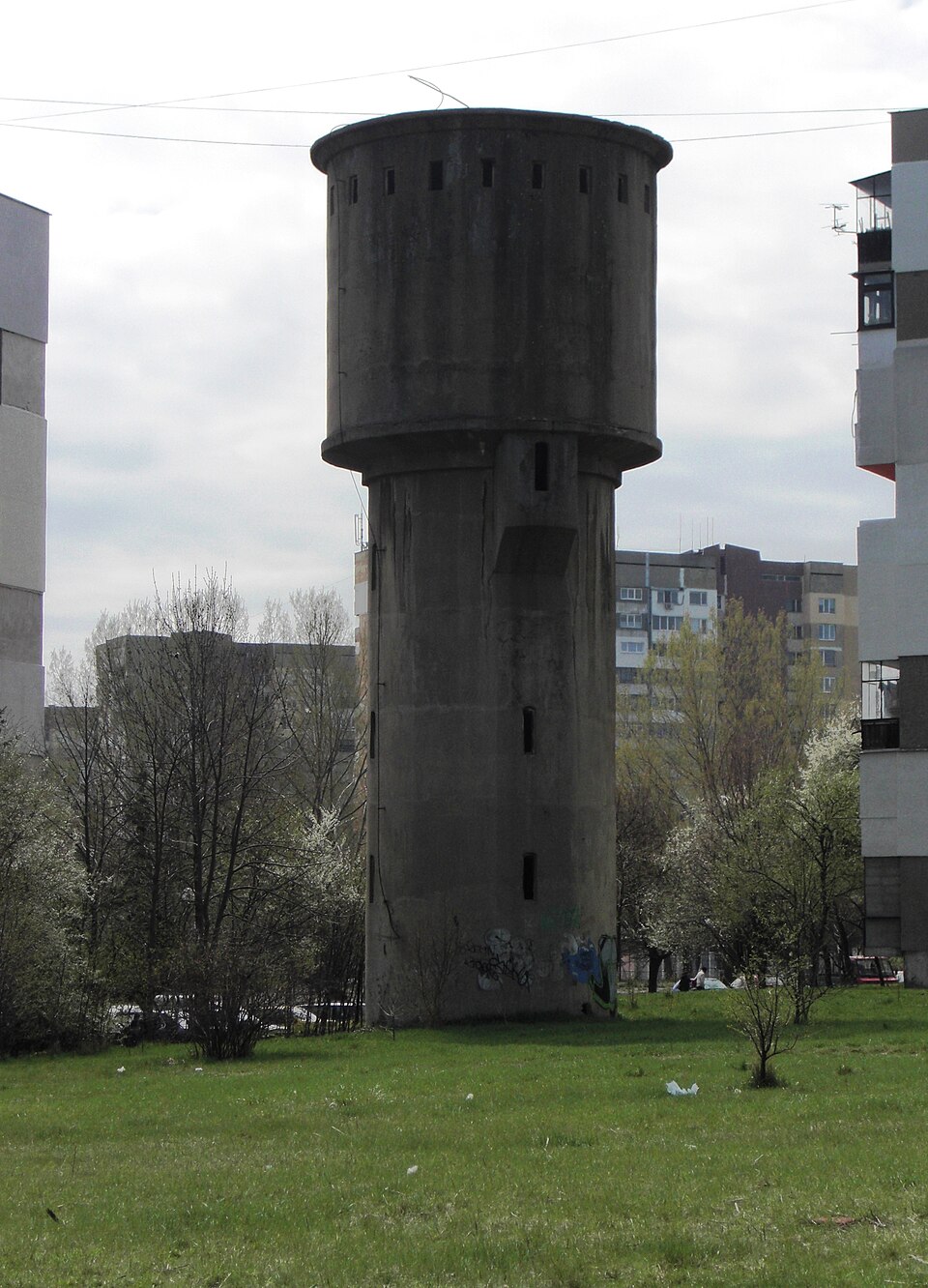
Sofia's cold water and sewerage are operated by Sofiyska Voda AD, a subsidiary of Veolia under a 25-year concession signed in 2000 (extension under renegotiation, verify). Customer portal sofiyskavoda.bg.
Tariff is volumetric: roughly €1.30/m³ for cold water + €0.65/m³ for sewerage and treatment, combined effective rate around €1.95/m³ (verify current KEVR decision). No fixed standing charge for residential. Typical monthly bill for a 1-bed Sofia flat with one occupant: €8-15/month.
Hot water in Sofia apartment blocks is supplied by Toplofikatsia Sofia, heated centrally and piped to your tap. Your hot-water consumption is metered separately and billed by Toplofikatsia, not Sofiyska Voda. New arrivals routinely confuse the two: paying Sofiyska Voda the cold-water bill is not the same as paying Toplofikatsia the hot-water bill.
Each Bulgarian oblast has its own water utility (ВиК, "VeeKa"):
Tariffs cluster around €1.60-2.20/m³ combined supply and sewerage. Provincial V&Ks are sometimes cheaper than Sofia but billing-portal usability is more variable. Self-reading is by phone, app or website; an inspector visits annually to verify.
Drinking-water quality is consistently good across the country, certified to EU drinking-water-directive standards. Mountain-fed cities (Sofia from Rila, Veliko Tarnovo from the Yantra catchment) have notably soft, clean water. Hardness varies: Plovdiv and parts of southern Sofia have hard water (over 250 mg/L CaCO₃), which shortens kettle, iron and washing-machine lifespan. A €30 inline limescale filter on the kitchen feed is a sensible buy if you're in a hard-water area.
Most British expats are on municipal water and the V&K supply is reliably safe. If you buy a rural house with a private well or bore-hole, the rules change. Private supplies are not part of the V&K monitoring system and quality varies dramatically by location. Specific issues recorded in Bulgarian rural water analyses:
If you have a private supply, get the water tested. The Regional Health Inspectorate (РЗИ, Regionalna Zdravna Inspektsiya) performs paid tests for around €30-60 covering microbiology, nitrates, hardness and key heavy metals. Private labs (e.g. Eurofins Bulgaria) offer the same service with faster turnaround. A whole-house under-sink reverse-osmosis filter (€300-600 installed) reliably removes manganese, nitrates and most other problem contaminants, and is the standard solution for British buyers of rural houses with shaky water analysis.
The single biggest variable in your winter utility bill. The right system per kWh of heat delivered varies by what your building has installed, and the worst British mistake is to pick the wrong tool for the wrong building. Here's the hierarchy from cheapest to most expensive per kWh of warmth.
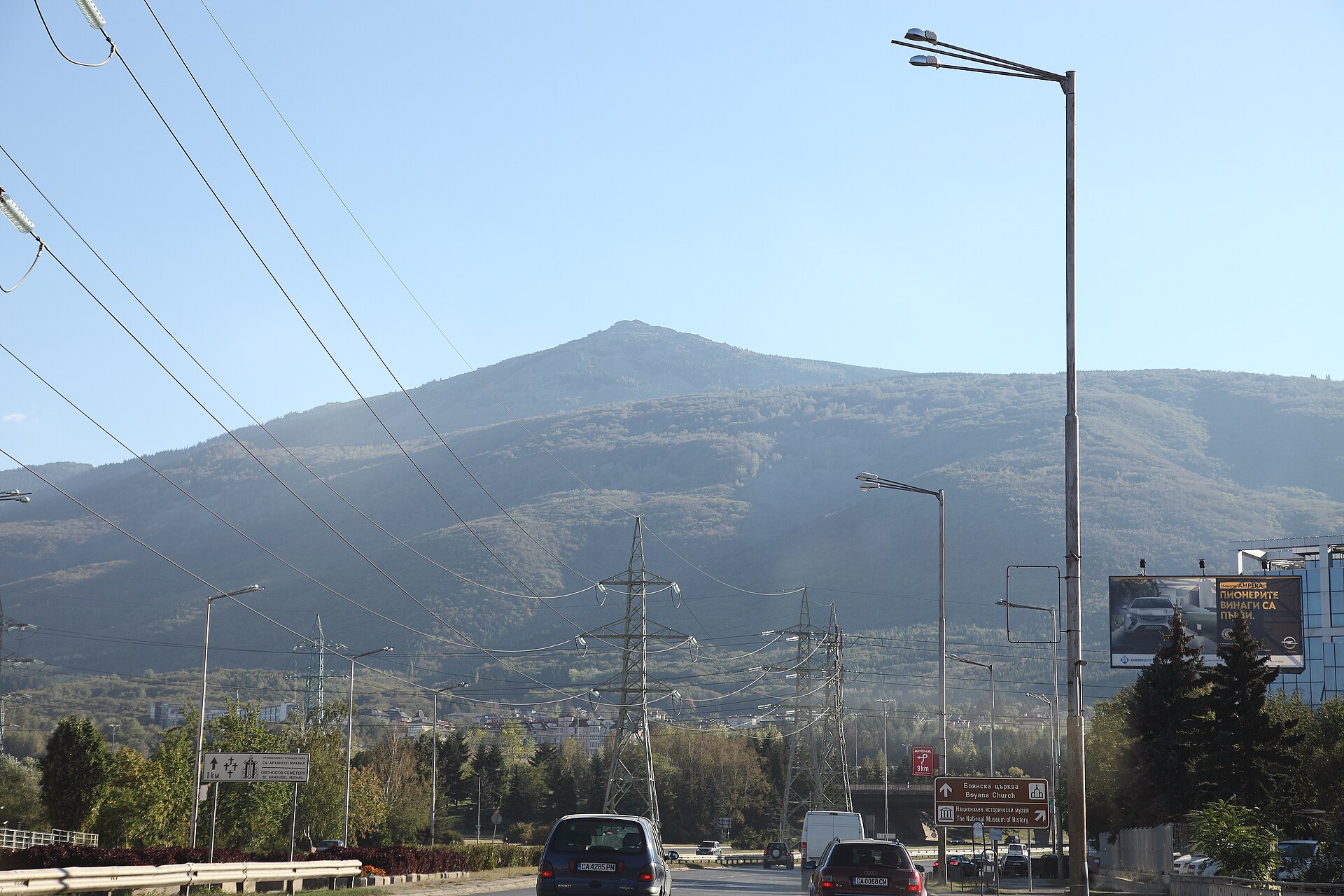
Soviet-era central district heating: a central combined-heat-and-power plant pipes superheated water and steam through an underground network into apartment blocks. Operators by city:
Most of Bulgaria has no district heating; it is a city-block phenomenon, not national.
Heat inside a building is allocated by one of two methods:
Major allocator companies: Brunata, Techem, Termokonsult. Each charges a separate annual service fee of around €25-40 per flat.
Your bill is NOT just your radiators. It includes:
1. Your individually-allocated radiator consumption (50-70% of bill)
2. Сградна инсталация (Sgradna instalatsiya, "Building Installation"): the heat lost by the vertical pipes (risers) running through every flat's walls and the heat in stairwells, lobbies and common areas. Split by floor area across all flats. You pay this even if your flat is empty and every radiator is closed. This is the line on the bill Brits stare at and don't understand.
3. Hot water consumption (metered separately at the tap)
4. Fixed monthly standing charge (€3-6)
British tenants who arrive in November, find one radiator feels lukewarm, close all valves and assume they'll have no heating bill, get a €400-700 winter Toplofikatsia bill anyway because of the Сградна инсталация share. This is legal, regulated, and not negotiable. Look for it as the second line on every Toplofikatsia bill.
Bills are issued monthly with an annual reconciliation (изравнителна) every June, where actual readings replace estimates. Surprise charges or refunds of €100-300 are normal at reconciliation.
Typical Sofia winter bills, 1-bed (60-70 m²): mild winter frugal user €60-90/month, average €100-130/month, top-floor or end-of-block €140-180/month.
Opting out is legally possible under the Energy Act but requires a two-thirds majority vote of the building's owners' assembly plus physical disconnection of risers (often impossible without rebuilding the block). In practice, opt-out is rare. A single flat cannot opt out unilaterally if the building remains connected.
See Section 8 for the gas detail. Where gas exists in a building (mostly newer-build Sofia, some Plovdiv/Stara Zagora/Dimitrovgrad neighbourhoods), it is cheap and clean. Most Bulgarian flats do not have it.
The de-facto heating system in any flat or house without Toplofikatsia or gas. A modern A++ inverter unit delivers a COP (Coefficient of Performance) of 3.5-4.5, meaning 1 kW of electricity produces 3.5-4.5 kW of heat.
Why is this not magic? Because an inverter AC does not create heat. It moves heat from the cold outside air into the warm room (yes, even in winter; even at minus 10 there is enough usable thermal energy in outdoor air to extract). A fan heater or oil radiator creates heat by burning electricity through resistance, which is 100% efficient at making one watt of heat per watt of electricity. An AC pump moves three to four watts of heat per watt of electricity it consumes. That is the entire reason a €1,000 inverter AC pays back inside two winters compared to a £30 electric panel heater. British expats from gas-central-heating backgrounds often miss this distinction completely and assume "an AC is just a heater that also cools", which is wrong by a factor of three.
Brands sold in Bulgaria, ranked by reliability:
A 12,000 BTU inverter installed costs €700-1,100. Running cost to heat a 25 m² living room evenings only: €40-60/month in deep winter.
Common in village houses and older single-family homes. Seasoned hardwood (beech, oak, hornbeam): €80-150 per cubic metre delivered, varying by region and season. Order in spring or summer for best price; autumn premiums run 20-30%.
Pellet stoves are the modern upgrade: cleaner, thermostat-controlled, automated feed. A 6 mm wood pellet bag (15 kg) costs €5-7. Annual pellet consumption for a small house: €600-900.
Safety: annual chimney sweep (€30-50), a working CO detector (~€20), clear flue inspection before first lighting each autumn. CO poisoning kills several Bulgarians each winter; do not skimp on the detector.
Oil radiators, fan heaters, panel heaters, underfloor electric. Each delivers 1 kW of heat per 1 kW of electricity, which is roughly a third to a quarter as efficient as inverter AC. This is the option that triggers shocking January bills and the Energo-Pro 50% advance-payment rule. Avoid as the primary heating system.
In Toplofikatsia buildings, hot water comes from the central plant year-round, metered at the tap, billed by Toplofikatsia (with brief annual outages, 1-2 weeks in summer, for maintenance).
Everywhere else, an electric boiler (бойлер, "boyler"), typically 80-100 litres, mounted in the bathroom or kitchen. Costs €150-300 to buy, lasts 8-12 years. Running 1-2 heating cycles per day adds €15-30/month to the electricity bill. Use a timer: off overnight, on for two hours before showering, saves 30-40%.
Solar thermal pre-heat panels are common on Bulgarian houses (less so flats), with a 6-9 year payback in southern Bulgaria's sun.
Gas central heating exists in a minority of Bulgarian homes. Most flats do not have it; the Soviet-era plan extended industrial gas only to factories and CHP plants, and a residential network was never built out at scale.
For a flat in a gas-ready building: €2,000-5,000 including boiler, copper, and metering. For an older building with no riser, retrofit is rarely viable.
Tariff (2026, KEVR-regulated): roughly €0.85-1.05/m³ for residential, plus €3-5/month standing charge. Verify with current KEVR decisions at kevr.bg.
1-bed Sofia flat with gas central heating: €40-80/month winter, €5-10/month off-season for cooking and hot water.
Pre-2022, Bulgaria imported around 90% of gas from Gazprom via TurkStream. After supply was cut in April 2022, Bulgaria pivoted to LNG via the Greek interconnector at Alexandroupolis and Azerbaijani gas via the IGB pipeline (operational from October 2022). Wholesale prices have stabilised but remain around 30% above pre-war levels.
For BBQs, occasional cooking, and rural houses off the gas grid. Standard sizes: 11 kg and 22 kg steel bottles. Price €20-30 per 11 kg bottle (verify, tracks oil prices). Refill at most petrol-station forecourts (Lukoil, OMV, Shell, Eko) and hardware stores. Empty bottle deposit is typically €25-40, refundable.
The good news in Bulgarian utilities. Fibre is widely deployed, fast, cheap, and the three competing providers keep each other honest. Gigabit at €15-22 a month is routine in any city; even villages have credible options.
The former state-owned BTC, now majority-owned by United Group. The deepest fibre footprint, around 2.4 million fixed and broadband customers, and the strongest village/small-town coverage. Best English support of the three at central Sofia stores. The "My Vivacom" app is the most polished. vivacom.bg
The former Telenor Bulgaria, rebranded in 2022 after PPF Group's acquisition. Mobile-first with a growing fixed-fibre product piggybacking on wholesale access. Network strength is urban and motorway-corridor; village coverage thinner than Vivacom. yettel.bg
The former Mobiltel/MTel. Aggressive fibre rollout in cities and the punchiest bundle pricing of the three. English support comparable to Vivacom in flagship Sofia stores. "My A1" app is solid with eSIM provisioning in-app. a1.bg
Gigabit (1000 Mbps) is widely available in Sofia, Plovdiv, Varna, Burgas and Stara Zagora across all three providers. 2.5G and 10G symmetric tiers are emerging in select Sofia neighbourhoods.
Typical 2026 monthly pricing on a 24-month contract:
Installation is usually free on a 24-month contract; €50-100 fee for shorter terms. Triple-play bundles (TV + internet + mobile) save 20-30% versus three standalone subscriptions.
Bulgarian telco contracts are usually 24 months. Early termination is punishing: typically the remaining months' fees become payable. If your stay is uncertain or under 12 months, take a rolling-month contract even at €5-10/month more. The savings on a 24-month deal evaporate fast if you leave early.
Smaller towns get fibre via Vivacom or A1, frequently a regional ISP (Net1, Net Plus) that often beats the nationals on price. Villages typically have ADSL at 20-50 Mbps, or 4G LTE-fixed routers (~€15-20/month). For genuinely remote houses, Starlink has been available since 2023 at around €50/month plus €350 hardware (verify at starlink.com/bg).
All three telcos sell mobile and IPTV. The interesting British-specific question is how to keep watching iPlayer, ITVX, Channel 4 and Sky from inside Bulgaria. The answer is "with a UK-IP VPN", and it is more reliable than people assume.
All three carriers have 5G in major cities since 2022-2023. Prepaid SIM €3-5 with top-ups at any kiosk, supermarket, or via app. Postpaid plans roughly €10-15/month for 10-20 GB, €20-30 for unlimited with EU roaming included. eSIM provisioning is supported by all three, useful for visitors who pre-load Airalo or Holafly before arrival.
For UK-Bulgaria calling, most British plans still treat Bulgaria as EU-roaming-included. Three reintroduced charges on some plans in 2025 (verify current Three terms). Bulgaria-internal calls are essentially free on basic plans.
Free-to-air DVB-T2 carries BNT 1, BNT 2, BTV, Nova plus regional channels, all Bulgarian-language with minimal English subtitles. IPTV bundles from Vivacom, A1 and Yettel deliver 200-300 channels at €8-15/month when added to internet. Skyshowtime, Netflix, Disney+ and Max all sell directly with Bulgarian billing.
BBC iPlayer, ITVX, Channel 4 and My5 all require a UK IP. NordVPN and ExpressVPN UK endpoints generally work, though iPlayer occasionally blocks specific server ranges and you may need to cycle endpoints (London, Manchester). Sky Glass and Sky Q hardware are geo-locked to a UK address and don't work in Bulgaria regardless of VPN. Now TV needs both a UK IP and a UK billing card; reliable once configured.
The common British setup: a Mikrotik or GL.iNet travel router (€80-120) configured with a permanent UK VPN tunnel, giving every device in the house a UK IP without per-device VPN apps. Ongoing VPN subscription €5-10/month.
Bulgaria has a richer bill-payment infrastructure than the UK in some ways. The kiosk network is dense, cash is still widely accepted, and once you know the customer-reference workflow you can pay any bill from any town in the country in five minutes.
Easypay kiosks (over 5,000 nationwide, frequently inside Lidl, Kaufland, Billa and small grocery stores). You quote your customer reference (абонатски номер) printed on the bill, pay in cash or by card, walk out with a printed receipt. No queue, no Bulgarian language needed. easypay.bg
Every utility account has a unique customer reference printed on every bill. Easypay, the post office, your bank, the provider app, all need it. Without it, the payment goes to a holding account and you remain in arrears even though you've paid. Photograph every first bill the moment it arrives and store all references in a single note. Different utilities use different formats, so label them clearly.
In older Sofia and Plovdiv blocks, the building manager (домоуправител, domoupravitel) sometimes still collects communal maintenance and Toplofikatsia prepayment door-to-door, in cash. Get a signed receipt every time, with the date, the amount, and what it's for. This is legitimate; just keep paper.
An indicative 2026 monthly all-in utility bill for a 1-bedroom Sofia flat without Toplofikatsia, with AC heating. Adjust by city: Plovdiv and Burgas roughly 25-35% cheaper, Bansko around 20% higher in winter, villages dramatically cheaper.
If the flat has Toplofikatsia, replace the AC heating spike with €60-150/month of district heating instead. Net cost is broadly similar but spread differently across the year.
For a house with land (which is on a business tariff because of the OOD/EOOD ownership route, see Section 4), expect a winter electricity bill 50-100% higher because of the larger footprint, the worse insulation, and the loss of household-tariff pricing. A €230,000 stone-built house in a Veliko Tarnovo village can run €300-450/month in January alone if you don't have inverter AC and good insulation.
In rough order of how expensive each one is when it bites you:
DPI (Доставчик от последна инстанция) is the Bulgarian Supplier of Last Resort, defined in Article 95a of the Energy Act. New connections that don't sign a supply contract end up on DPI by default. The DPI tariff is calculated as IBEX day-ahead prices plus a punitive mark-up, deliberately set 30-80% above regulated tariffs as a backstop, not a discount. Critically, DPI customers do NOT enjoy the standard 20-day grace period before disconnection that regulated residential customers get. You can be cut off for non-payment on much shorter notice, sometimes before a formal monthly invoice has been issued.
Article 22 of the Bulgarian Constitution prohibits foreign natural persons from directly owning certain categories of land (apartments in multi-unit buildings are an exception). Post-Brexit, British nationals are third-country nationals and cannot directly own land. Most buy a house with land via a Bulgarian limited company (OOD or EOOD). The electricity meter is then registered to the company, not the individual, putting the property on a non-domestic (business) tariff. Business tariffs do not enjoy regulated household pricing or the residential 20-day disconnection grace period. A flat (no land) can be owned directly by a British individual and metered residentially, avoiding this entirely.
Yes. Energo-Pro Sales' General Terms allow them to demand an advance equal to roughly 50% of projected next-month bills from customers whose monthly consumption exceeds a defined kWh threshold. Triggered most often by electric heating, EV charging, and continuous AC use. EVN and Electrohold have analogous clauses but apply them less aggressively in practice. Verify the exact threshold in Energo-Pro's General Terms before signing.
Three regional distributors split the country. Electrohold (formerly CEZ) covers Sofia and western Bulgaria. EVN covers southern Bulgaria including Plovdiv, Burgas, Stara Zagora and Sliven. Energo-Pro covers the north-east including Varna, Shumen, Veliko Tarnovo, Ruse and Dobrich. You cannot choose between them for the wires; you can only switch the supplier label that sits on top of those wires once the market is liberalised for households.
Toplofikatsia is the Soviet-era central district heating system that pipes superheated water from a city power plant into apartment blocks. It exists in Sofia, Plovdiv, Burgas, Pleven, Vratsa, Veliko Tarnovo, Pernik, Sliven and Ruse. Most of Bulgaria does not have it. Bills are unpredictable because they include not only your radiators but also your share of the building's communal pipe heat (stairwells, risers, common areas), allocated by floor area. Closing your radiator valves does not eliminate the communal share. Surprise reconciliation charges of €100-300 at the annual June settlement are normal.
Where available, Toplofikatsia central heating is cheapest. Where not, a modern A++ inverter air conditioner is the runner-up: 1 kW of electricity delivers 3.5-4.5 kW of heat (its COP), which is dramatically cheaper than resistive heaters or oil radiators. Gas central heating is cheap where the building has a gas connection, but most Bulgarian flats do not. Wood-stoves are common in villages. The most expensive option is resistive electric heating (oil radiators, fan heaters, underfloor) and you should avoid it as the primary system.
Easiest: Easypay kiosks (over 5,000 nationwide, often inside Lidl, Kaufland, Billa). Quote your customer reference (абонатски номер) printed on the bill, pay cash or card, walk out with a printed receipt. Other options: ePay online wallet, Bulgarian Posts at any village post office (slower), bank app SEPA transfer with the customer reference as memo, direct debit set up at your Bulgarian bank, or each provider's own app. Revolut and Wise can SEPA-transfer to a Bulgarian utility IBAN, useful if you don't have a Bulgarian bank account yet.
Gigabit (1000 Mbps) is widely available in Sofia, Plovdiv, Varna, Burgas and Stara Zagora across all three providers (Vivacom, Yettel, A1). Typical 2026 monthly pricing on a 24-month contract: 100 Mbps for €10-13, 300 Mbps for €13-17, 500-1000 Mbps for €15-22. Smaller towns get fibre via Vivacom or A1, sometimes regional ISPs. Villages fall back to ADSL or 4G LTE-fixed routers. Starlink is available since 2023 at around €50/month plus €350 hardware.
In a minority of homes, yes. Mostly newer-build (post-2010) Sofia apartment blocks designed with gas risers, a few Plovdiv, Stara Zagora and Dimitrovgrad neighbourhoods, and detached houses where the distribution network reaches. Connection cost for a flat in a gas-ready building is €2,000-5,000. Older buildings rarely have gas because the Soviet-era plan extended industrial gas only to factories. Supplier where it exists: Overgas Holding, with Bulgargaz EAD as the state wholesaler upstream.
Yes, throughout Bulgaria. EU drinking-water-directive compliant. Sofia draws from the Iskar reservoir and Rila Mountain springs and is consistently rated clean. Plovdiv, Varna, Burgas, Veliko Tarnovo and Shumen all have safe tap water. Hardness varies by region: Plovdiv and parts of southern Sofia have hard water (over 250 mg/L CaCO₃), shortening kettle and washing-machine lifespan. A €30 inline limescale filter is sensible in hard-water areas.
Yes, with a UK-IP VPN. BBC iPlayer, ITVX, Channel 4 and My5 all geo-block Bulgarian IPs. NordVPN and ExpressVPN UK endpoints generally work, though iPlayer occasionally blocks specific server ranges. Now TV (Sky's streaming product) needs both a UK IP and a UK billing card. Sky Glass and Sky Q hardware are geo-locked to a UK address and don't work in Bulgaria regardless of VPN. The common British setup is a Mikrotik or GL.iNet travel router (€80-120) configured with a permanent UK VPN tunnel.
Indicative 2026: rent aside, a 1-bed Sofia flat with no Toplofikatsia and AC heating costs roughly €64/month all-in summer (electricity €30, water €12, internet €12, mobile €10) and €164/month winter (electricity €130 because of AC heating, water unchanged, internet unchanged, mobile unchanged). A flat WITH Toplofikatsia adds €60-150 in winter on top, replacing the AC heating spike. Total cost is broadly similar but spread differently across the year.
Every Bulgarian utility account has a unique customer reference printed on every bill. Easypay, the post office, your bank and the provider app all need this number to credit your payment. Without it, the payment goes to a holding account and you remain in arrears even though you've paid. Photograph every first bill the moment it arrives and store all references in a single note. Different utilities use different formats (electricity, water, heating, gas, telco), so label them clearly.


