
A Bulgarian civil marriage creates the legal status, whether the ceremony is at a town hall or an approved outside venue. For a British or mixed British-Bulgarian couple, the difficult part is aligning the chosen municipality's checklist with UK evidence. A British party will normally need a Certificate of No Impediment, while the municipality decides which other originals, Apostilles and Bulgarian translation route it accepts. Add the 30-day medical certificate, property-regime declaration and two witnesses at the correct stage. This guide covers the law, document sequence, current costs, residence consequences and Bulgarian wedding customs.
A British citizen can legally marry in Bulgaria, alone or with a partner of any nationality, but the total timetable and document cost depend on the UK CNI route, the municipality's checklist, current Apostille service and translation requirements. Confirm those components before booking.
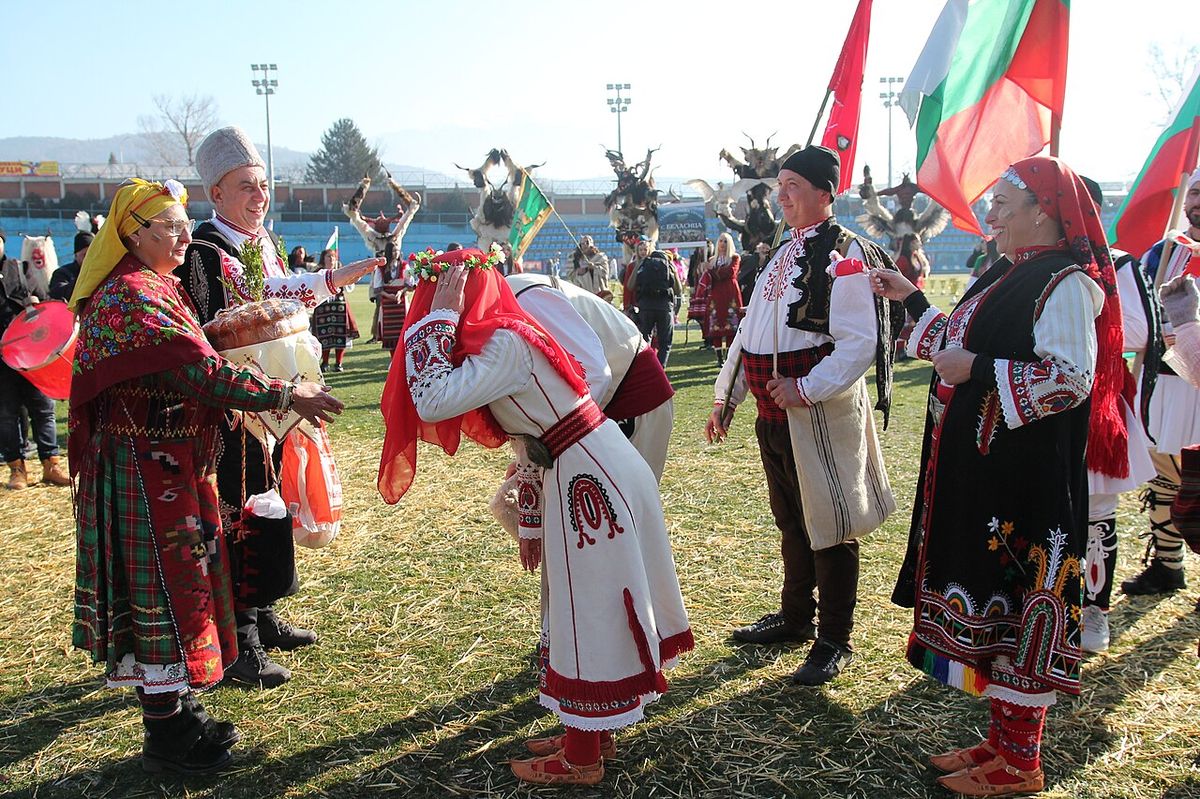
The rest of this guide explains each line in detail, with verified municipal fee figures, the GOV.UK CNI process step by step, the property regime in plain English, and the Bulgarian customs (the kum and kuma, the bread and honey, the horo) that turn the legal act into a wedding.
Three statutes do almost all the work: the Family Code (legal definition of marriage and impediments), the Civil Registration Act (where and how the marriage is registered), and the Private International Law Code (which national law applies to a foreign spouse).
Under Article 6 of the Family Code, only a civil marriage concluded in the prescribed legal form has legal effect in Bulgaria. The Code defines marriage as concluded by mutual, voluntary, express consent, given personally and simultaneously before the civil-status official. A religious ceremony alone is not a marriage, even an Orthodox one in the country's majority church. A celebrant-led ritual at a vineyard or hotel is not a marriage either, unless a municipal civil-status official is conducting the civil act at the same location with municipal authority.
The Bulgarian convention is to do the civil ceremony in the morning at the town hall and the church or celebrant ceremony in the afternoon, both on the same day. Foreign couples sometimes try to skip the civil act and have only a destination ceremony, then find afterwards that they are not legally married, that their Bulgarian property is in one name, that immigration applications fail, and that pensions and life insurance do not recognise the union. The civil act is non-negotiable.
The Family Code defines marriage as between a man and a woman. The Bulgarian Constitution was amended in 1991 to the same effect. Foreign same-sex marriages are not registered as Bulgarian civil marriages. The European Court of Human Rights ruled in Koilova and Babulkova v Bulgaria (5 September 2023) that Bulgaria's failure to provide any legal framework for same-sex partnerships breaches Article 8 of the European Convention, but no legislative remedy has yet been adopted. Same-sex couples seeking residence, property or inheritance recognition in Bulgaria should consult a specialist immigration lawyer; some EU free-movement consequences apply where one partner is an EU citizen.
Under the Civil Registration Act, marriage is entered in the civil-status register of the municipality where the marriage took place. This is why choosing the municipality matters more than choosing the venue: the municipality is the legal jurisdiction, the source of the certificate, the holder of the register, and the body whose council sets the fees.
Article 76 of the Private International Law Code provides that capacity to marry is governed by each spouse's national law at the time of the marriage. Article 77 deals with formalities, which are governed by Bulgarian law (the law of the place of marriage). The combined effect is that a Brit marrying in Bulgaria needs Bulgarian formalities (the municipal ceremony) plus UK capacity proof (the CNI route). A Canadian needs Bulgarian formalities plus Canadian capacity proof (the statement in lieu route, see Section 3). A Bulgarian needs Bulgarian formalities and Bulgarian capacity proof from their own municipality.
Bulgarian municipalities will marry almost any opposite-sex couple, regardless of nationality combination, provided each party can prove capacity to marry under their own national law. The pinch point is the foreign-capacity document. Here is the picture for the five most common combinations Shumen.UK readers encounter.
| Couple | Capacity-to-marry document | Typical added paperwork weeks |
|---|---|---|
| Two British citizens | UK CNI for each party | 6 to 10 |
| Brit & Bulgarian | UK CNI for the Brit; Bulgarian family-status certificate from the BG partner's municipality | 6 to 8 |
| EU citizen & Bulgarian | Home-country certificate of capacity or multilingual extract under the 1976 Vienna Convention | 2 to 6 |
| Canadian & Bulgarian | Statement in lieu of CNI from Global Affairs Canada, plus single-status affidavit | 4 to 8 |
| American or other non-EU & Bulgarian | Home-country CNI if issued, otherwise notarised single-status affidavit through the embassy | 4 to 10 |
Times are added to the Bulgarian-side timeline (medical, application, ceremony booking). Use the longest of the two as your overall lead time.
Common for British couples who already live in Bulgaria, or who want a destination wedding with legally clean Bulgarian status. Both parties normally need a UK CNI through the GOV.UK Bulgaria CNI application pack. The pack supports a postal route from abroad via a notary-witnessed affirmation. Allow the current UK register-office processing window, then add up to 25 working days plus delivery for each required standard paper Apostille, translation and the municipality's ceremony availability.
The most common case among Shumen.UK readers. The Bulgarian partner is on home turf and the municipal paperwork is fast for them. The Brit follows the CNI route above. After the wedding, if the Brit wants to live in Bulgaria, they still have to obtain a Type D long-stay visa and apply for a residence permit (see Section 12). Marriage is the family-law basis for the application, not a substitute for it.
The easiest mixed-nationality case in Bulgaria. The EU citizen enters with passport or national ID, obtains a home-country certificate of capacity to marry (or uses a 1976 Vienna Convention multilingual extract where their country issues them), provides Bulgarian translation if required, and proceeds. If the EU spouse will live in Bulgaria after the marriage, they register for residence within three months at the local Migration Directorate office, with a far lighter touch than the Type D route.
The structural problem is that Canada does not issue Certificates of No Impediment. Global Affairs Canada publishes a statement in lieu confirming that Canada does not issue CNIs, and Canadian missions list affidavits confirming no legal impediment to marriage among their consular services for Canadians intending to marry abroad. The Sofia mission's services page confirms Bulgarian law requires Canadians to present "a Certificate of Non-Impediment to Marriage" certifying capacity to marry, and lists affidavits as the practical workaround. Canada joined the Hague Apostille Convention on 11 January 2024, so most Canadian public documents can now be apostilled rather than going through the older embassy legalisation chain.
Same legal principle: prove identity and prove capacity. The US State Department's Bulgaria civil-documents page notes that Bulgarian marriage certificates are registered by the local municipality and that foreign documents used for overseas marriage registration must be legalised and translated. Some countries (Australia, New Zealand) issue a CNI by post; some (USA) rely on a notarised single-status affidavit through the embassy. Always check the home embassy's consular services page and confirm in advance with the Bulgarian municipality what it will accept.
Bulgarian municipal checklists vary at the margins but the core list is consistent. Treat this as a starting point and confirm with the exact municipality where the marriage will be registered before paying for translations or booking the medical.
The pre-marital medical certificate has a 30-day window, but do not apply one blanket age limit to every foreign document. Ask the chosen municipality for the maximum issue date of the CNI, civil-status certificate or single-status evidence, then time the longer legalisation and delivery steps around that written answer.
The CNI is the single longest-lead item for a British party. If anything in this guide is going to put you behind schedule, it is this. Start it before you book anything else.
The CNI is a UK public document, issued by a UK register office, confirming that no legal impediment to your proposed marriage has been notified during the statutory waiting period. It is not a permission to marry; it is a no-objection statement. Bulgarian municipalities accept it as the British certificat de capacité matrimoniale.
The GOV.UK Bulgaria CNI application pack distinguishes two situations:
The GOV.UK consular fees table sets the rates, last reviewed under the consular fees order in 2024:
Foreign and Commonwealth Office posts stopped issuing CNIs in 2014. The British Embassy Sofia does not issue CNIs; the GOV.UK pack route via a UK register office is the only path. The Embassy publishes a list of English-speaking lawyers and notaries who can witness the affirmation in Bulgaria.
UK register offices post your notice on a public board for 28 clear days. Anyone (including an estranged spouse claiming the divorce is not final, or a parent objecting to the marriage of a 16- or 17-year-old) can raise an objection during that window. Most notices pass without comment, but it is not just an administrative timer. If you are recently divorced, double-check that your decree absolute or final order has been correctly issued before sending the file.
A Bulgarian municipality may require authentication of a foreign document's origin and a Bulgarian translation it can accept. Confirm the exact document, copy type, Apostille and translation route before ordering.
Bulgaria and the UK are both parties to the 1961 Hague Apostille Convention. When the municipality requires a UK Apostille for an eligible public document, apply through the FCDO Legalisation Office. The Apostille authenticates the relevant signature, official capacity or seal. It does not certify the contents or replace the municipality's other requirements.
Ask the municipality which Bulgarian translation and certification route it accepts before booking a translator. Depending on the route and place of translation, the municipality may ask for a consular or accredited translation, or for the translator's signature to be notarised in Bulgaria. There is no universal MFA register or overstamp workflow for every document.
Under EU Regulation 2016/1191, certain civil-status documents issued by EU member states can be accompanied by a multilingual standard form that removes the translation requirement. The UK left the EU in 2020, so UK documents are no longer eligible. EU spouses (Italian, German, French) can ask their home register office for the multilingual standard form, which speeds the Bulgarian acceptance step considerably.
The UK e-Apostille route applies only to eligible electronically signed documents, and a Bulgarian municipality may still require a paper original. UK civil-status certificates such as birth, death, marriage and civil-partnership certificates are not eligible for the UK e-Apostille service. Confirm both eligibility and recipient acceptance before ordering.
This is the section couples skip and later regret. Bulgarian default matrimonial property law is not English-style separate ownership. If you do not actively choose otherwise, your spouse has a legal half-share of everything you acquire during the marriage, regardless of whose name is on the title.
Articles 18 to 28 of the Family Code give every couple a choice at marriage:
| Regime | What it does | Best for |
|---|---|---|
| Statutory community of property (default) | Rights acquired during marriage by joint contribution (which the law presumes includes both spouses' income) become indivisible common property. Half each on divorce. Pre-marital property, gifts and inheritances stay personal. | Couples building a life together with broadly comparable contributions. The Bulgarian default. |
| Statutory separation of property | Each spouse owns their own acquisitions. On divorce, a spouse may claim value from the other's acquisitions where they contributed (work, money, childcare, housework). Not full separation: more "separate ownership with a contribution claim". | Couples with very unequal assets, or where one spouse has children from a previous marriage and wants those assets protected. |
| Matrimonial contract | A notarised bespoke contract covering property acquired before and during marriage, management, marital home, debts, divorce effects and (limited) maintenance. Cannot contain testamentary clauses except certain share provisions. | Mixed-nationality couples with cross-border assets, business owners, or anyone wanting a bespoke split. Cost: typically €200 to €700 at a Bulgarian notary. |
If you make no choice at the marriage application, the statutory community of property regime applies. The choice can be changed later by court application, but it is far easier to choose deliberately at the wedding.
The most common British-expat mistake: a Brit buys a Bulgarian flat in his sole name before or during the marriage, assumes English-style sole ownership, and is then surprised on divorce or death to discover the Bulgarian spouse has a legal half-share.
Under the statutory community regime, a flat bought during the marriage with marital funds (which is presumed unless rebutted) is common property regardless of the title. The non-named spouse has a legal half-share that crystallises on divorce or death. A pre-marital flat stays personal, but renovations and mortgage payments made during the marriage can create a claim.
If you want clean separate ownership of Bulgarian property, you need either the statutory separation regime declared at the wedding, or a notarised matrimonial contract. Read this with our Buying Property guide.
EU Regulation 2016/1103 on matrimonial property regimes lets international couples elect the applicable law (the law of their habitual residence or of either spouse's nationality). The UK is not bound by it but Bulgaria is. A British spouse can use the Regulation to elect, for instance, English law for the matrimonial property regime, which has different default rules. For most mixed BG-UK couples this is overkill; choosing the Bulgarian statutory separation regime or a matrimonial contract is simpler and locally enforceable. Discuss with a Bulgarian family lawyer if your situation is complex.
The matrimonial property regime affects what is in the estate on death (community half-shares first, then succession), while Bulgarian succession law decides who gets the rest. See our Funerals, Wills & Inheritance guide for forced heirship and the Brussels IV Article 22 choice-of-law clause that British testators in Bulgaria can use.
The legal chain runs in this order for almost every couple. Sliding any step out of sequence usually means doing it twice.
The municipality controls the appointment diary, ceremony rooms, accepted documents, local fees, outdoor-ceremony rules and acceptance of interpreters. Ask its civil-status office (otdel ESGRAON) for the current foreign-marriage checklist in writing. Shumen, Sofia, Varna and the coastal municipalities have more experience with foreign weddings than smaller rural town halls.
For a Brit, that is the CNI through the GOV.UK pack (Section 5). For a Canadian, the statement in lieu plus single-status affidavit. For an EU citizen, the home-country capacity certificate or multilingual extract.
FCDO Legalisation Office for UK documents (Section 6). Competent authority for the issuing country for other nationalities.
Use the translation and certification route confirmed by the municipality. Where an Apostille is required, make sure the translation covers the complete document and Apostille. The official-documents guide explains the current options and rejection checks.
Once the foreign paperwork is in hand, file it at the municipality and book the ceremony date. Typical lead time is two to four weeks from filing a complete file to the wedding day. Outdoor or external locations may need longer.
Both spouses attend a Bulgarian medical clinic for the pre-marital medical certificate, valid for only 30 days. Yambol and Sliven municipalities both confirm the 30-day validity on their service pages. Time it so the certificate is current on the wedding day. Cost is typically €20 to €50 per person depending on the clinic.
Confirm with the municipality which regime you have chosen and that the form is correctly recorded. Confirm the two witnesses and arrange an interpreter if either spouse or either witness does not understand Bulgarian.
Section 9 covers what happens on the day.
The Bulgarian marriage certificate is issued by the municipality, typically within days of the ceremony. Ask for the 1976 Vienna Convention multilingual extract (Bulgarian, French, English) at the same time if you will use the certificate outside Bulgaria. Apostille and translate later if a specific receiving authority requires it.
Bulgarian civil ceremonies are short, formal and well-paced. The official conducts the act in Bulgarian, the spouses respond in Bulgarian or through an interpreter, the witnesses sign, the official signs, and the act is registered. From the moment you walk in to the moment the certificate is handed over, allow about 30 to 45 minutes.
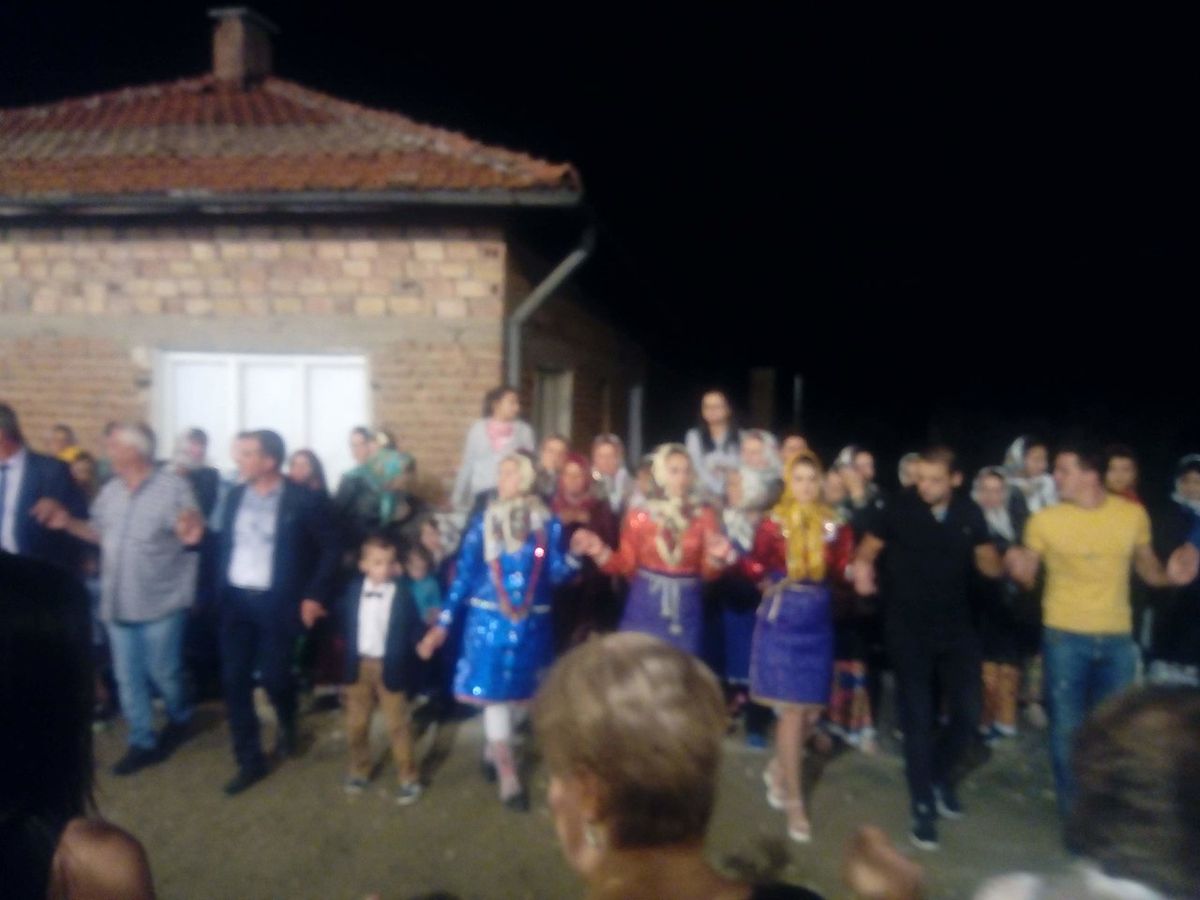
Bulgarian law requires two witnesses. They must be adults with valid ID. The Civil Registration Act expressly allows foreign citizens to serve as witnesses; passports are sufficient identity. Bulgarian wedding culture treats the kum (male witness, traditionally the best man) and kuma (female witness, the maid or matron of honour) as long-term ritual sponsors of the marriage. A Bulgarian spouse will often have a clear idea of who the kum and kuma should be and may invite them years in advance. British couples can use the Bulgarian terminology and the cultural framing or stick to British conventions; both are accepted.
The civil-status official (dlžnostno litse po grazhdansko sŭstoyanie) reads the marriage protocol, confirms identities, asks each spouse the consent question (in Bulgarian, with translation if needed), confirms the chosen surname after marriage and the property regime, and pronounces the marriage. The official signs, both spouses sign, both witnesses sign. The act is entered in the register and the marriage is legally concluded.
Bulgarian civil ceremonies record one of three surname outcomes for each spouse: keep your own surname, take the spouse's surname, or add the spouse's surname to yours (a hyphenated or composite form). Mixed BG-UK couples should think carefully: a Brit who takes a Bulgarian surname will face passport-renewal, banking and HM Passport Office consequences (Section 12). Bulgarian women conventionally take the husband's surname or hyphenate. The choice is made on the wedding day and recorded in the act.
Bulgarian civil ceremonies do not include readings, vows beyond the statutory consent, or third-party speeches. If you want a romantic or religious ceremony, plan a church or celebrant ceremony for the afternoon. The civil act is the legal core; everything else sits around it.
Bulgaria adopted the euro on 1 January 2026, so every figure here is in euros at the fixed conversion rate of 1 EUR = 1.95583 BGN. Some municipal tariff resolutions still reference the old lev figure; the underlying amount is unchanged. Plan a budget, then ask the municipality to confirm the current fee in writing before paying.
| Item | Typical planning range | Source / notes |
|---|---|---|
| Basic civil-marriage fee (municipal building) | €5 to €26 | Yambol municipality lists 10 BGN (€5); Karnobat lists 30 BGN (€15) without ritual and 50 BGN (€26) for the municipal hall ceremony. |
| Certificate for foreign-citizen marriage document | €3.50 to €10 | Sofia/Lyulin district lists 7 BGN (€3.58); Varna lists 10 BGN standard / 15 BGN fast / 20 BGN immediate (€5 to €10). |
| Shumen outdoor civil ceremony | €128 | Shumen municipality publishes a 250 BGN fee for ceremonies at the Founders of the Bulgarian State monument, Shumen Fortress, Srebrova House, the Youth House or the municipal building exterior. |
| UK consular: receiving notice of marriage | £50 | GOV.UK consular fees order. |
| UK consular: issuing CNI | £50 | GOV.UK consular fees order. |
| UK paper Apostille (standard service) | £45 per document plus return delivery | FCDO Legalisation Office, checked 12 August 2026. |
| Notary signature in Bulgaria (for the affirmation) | €15 to €40 | Tariff for Notarial Fees, varies by city. |
| Pre-marital medical certificate | €20 to €50 per person | Clinic-set price; municipal checklist mandatory. |
| Bulgarian translation | Obtain a written quote | Use the translation and certification route accepted by the municipality. |
| Interpreter at ceremony | €26 to €102 | Needed where neither spouse nor a witness understands Bulgarian. |
| Matrimonial contract at a notary (optional) | €200 to €700 | Notary fee under the Tariff for Notarial Fees, depending on declared value. |
UK fees are quoted in pounds because they are paid to HM Government. Convert at the current rate (1 GBP ≈ 1.16 EUR in May 2026).
The celebration is a separate budget and varies enormously by scale and venue:
Per-head costs in central Sofia or beach resorts are roughly 50% higher than in regional cities. See our Cost of Living guide for what eating and entertaining costs in Bulgaria more generally.
The legal ceremony is short and procedural. The wedding itself is wrapped in centuries of folk and Orthodox custom that a British family encountering a Bulgarian wedding for the first time will not recognise. Here is the field guide to what you will see, why it happens, and what to do.
The conventional Bulgarian wedding day starts with the civil ceremony at the town hall (often 10am or 11am), continues with a procession and church or celebrant ceremony in the afternoon, and ends with a feast that runs late into the night. Many Bulgarian couples consider the church wedding the spiritual event and the civil act a formality, but legally it is the other way round.
The best man (kum) and maid or matron of honour (kuma) are not just witnesses in the British sense. In Bulgarian Orthodox tradition they are ritual sponsors of the marriage, taking on a lifelong family-figure role. They hold crowns over the couple's heads in the Orthodox ceremony, are present at the baptism of the first child, and are often godparents to that child. Couples ask their kum and kuma carefully; refusing the role is socially difficult and accepting is a long-term commitment.
The couple is greeted at the family home or reception venue by the groom's mother holding a round loaf (pita) and a small dish of honey. Bride and groom each tear or bite a piece of bread and dip it in honey, for sweetness and prosperity. Some families add salt for endurance through the bitter as well as the sweet. The mother-in-law's gesture is the symbolic welcome of the bride into the family.
In some regions the couple steps on or kicks a small clay pot or glass after the welcome bread. The number of pieces it breaks into is said to predict the number of children, or the years of happiness. In other families a glass is broken at the threshold. Both are folk superstitions, observed playfully.
Friends of the bride may "sell" her to the groom in a ransom game (otkup) before the procession leaves for the church or town hall. The groom and his party negotiate, dance, perform forfeits or pay a token amount (often a few euros, more for laughs than money). The bride's shoe may be hidden and the groom asked to find or buy it back. These are theatre, not legal steps; lean in if you are the foreign groom and earn a place.
The Bulgarian line dance (horo) is the gravitational centre of every Bulgarian celebration. A long chain of guests holds hands and steps the rhythm anti-clockwise; the band plays kopanitsa, růchenitsa and pravo horo in turn. British guests should not be wallflowers. The basic step is two right, one left, repeat; the chain leader will adjust pace for visitors. Plan a short, simple horo early in the evening so British family members can join confidently before the wine catches up.
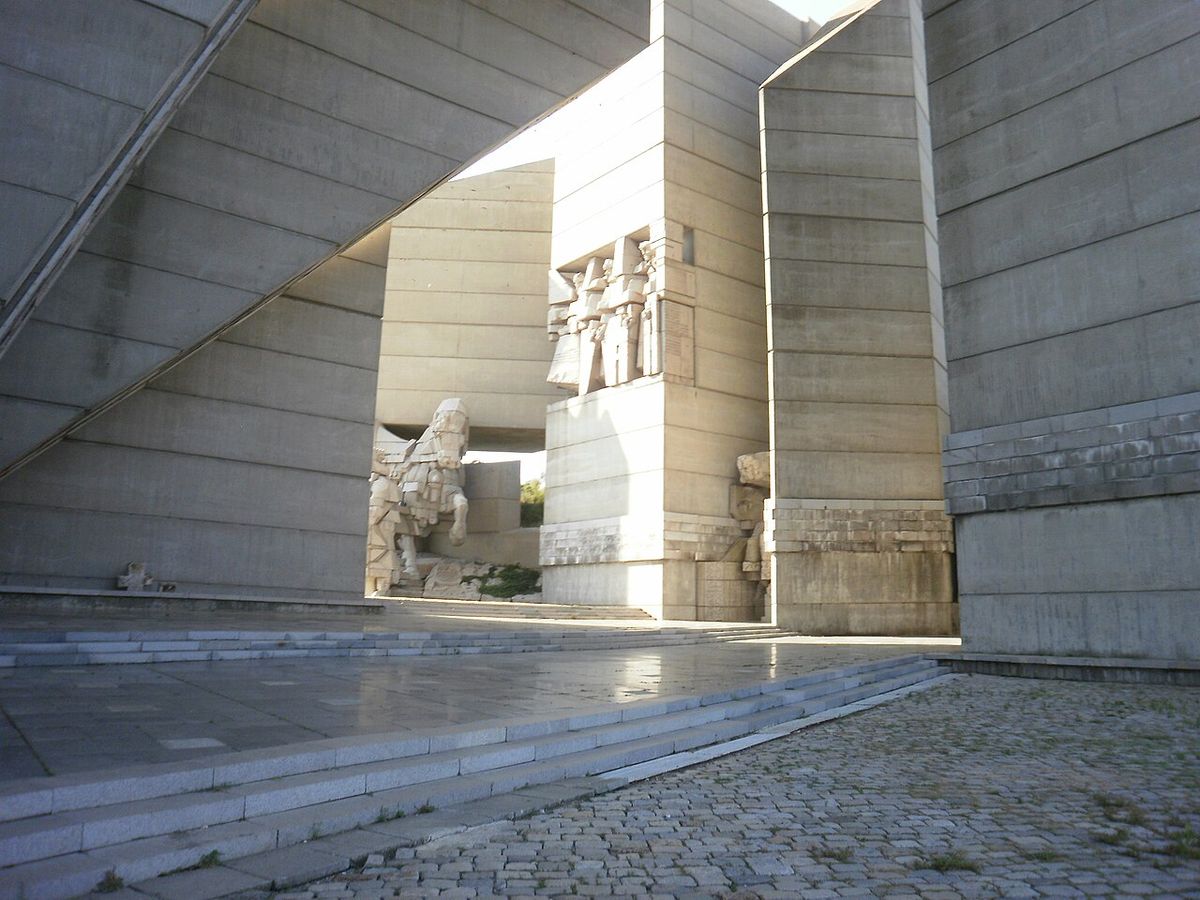
Shumen Municipality has actively promoted external civil ceremonies. The approved list of external locations includes the Founders of the Bulgarian State monument, Shumen Fortress, the Srebrova House, the Youth House and the exterior of the municipal building. The municipality reports that about one in ten couples married in Shumen choose an external location, with the monument and the fortress the most popular. The fee at the changeover was 250 BGN (€128) on top of the standard marriage fee. Booking is through the Shumen civil-status office. See our Shumen guide for more on the city and its landmarks.
Guests pin banknotes to the bride's dress (or, in some regions, into a money belt) during the dancing. This is the cash gift to start the couple's married life. Foreign guests can join in; small denominations are fine but multiple notes are better than a single large note for the visual effect.
One thing British guests sometimes misread: the printed posters they see on lampposts and walls in Bulgarian towns. Those are necrolog death notices, not wedding announcements. Bulgarian weddings are not publicly posted; invitations are personal.
The certificate is signed; the lawyer and the photographer are paid; the relatives have flown home. Three administrative jobs follow: name change (if you chose one), residence applications (if you are moving to Bulgaria), and recognition in the UK.
If you took a new surname at the ceremony, update each of the following:
Airlines book passengers by passport name. If you have travelled on a UK passport in your maiden name but now have a Bulgarian residence card or marriage certificate in your married name, expect questions at check-in and at the BG border until both documents match. Update the UK passport first, then the Bulgarian residence card. Carry the marriage certificate as evidence in the meantime.
Post-Brexit, a British spouse of a Bulgarian citizen is a third-country national in EU terms, unless already protected by Withdrawal Agreement status from the pre-2021 period. The standard route is:
See our Residency guide for the full Type D and residence-permit process. The marriage certificate is supporting evidence; it is not a substitute for the application.
Bulgarian citizenship is not automatic on marriage. Under Article 13 of the Bulgarian Citizenship Act, a foreign spouse of a Bulgarian citizen can apply for naturalisation typically after:
A qualifying spouse is exempt from the ordinary condition requiring release from an existing citizenship, but the route is not a fast track and dual-nationality treatment must still be checked against the exact facts. Read the source-dated citizenship after marriage guide and obtain specialist nationality advice before treating any timeline as certain.
A marriage validly conducted in Bulgaria is generally recognised in the UK if both parties had capacity to marry under their personal law. The UK does not maintain a separate register of overseas marriages; you simply keep the apostilled Bulgarian certificate and the certified translation. UK banks, pensions, HMRC, life insurers and employers accept the apostilled Bulgarian certificate. For the UK passport, see the Name Change section above.
Marriage may affect:
If you married in the UK and one spouse is Bulgarian, the marriage must be transcribed into the Bulgarian civil-status register. If neither spouse is Bulgarian, no registration is needed; the marriage simply has no Bulgarian-side record but is still valid.
Under the Civil Registration Act, the marriage is registered at the Bulgarian spouse's permanent-address municipality. If the husband is not Bulgarian but the wife is, the wife's permanent-address municipality is used. Practically, an heir or representative can also lodge the file at the Bulgarian Embassy or Consulate abroad, which forwards it to the relevant municipality.
The Civil Registration Act sets a six-month window for transmission of foreign marriage acts. In practice, late submissions are accepted with a small administrative penalty; the marriage is still validly registered. The Bulgarian Ministry of Foreign Affairs' civil-status page explains the process in Bulgarian.
Once the foreign marriage is transcribed, the Bulgarian register issues a Bulgarian marriage certificate (akt za grazhdanski brak) bearing both names. This is the document used for Bulgarian ID updates, the spouse's residence card, property, children's records, and any future inheritance. From that point on, the UK certificate is the historical record and the Bulgarian act is the operational document on the Bulgarian side.
Bulgaria has two main divorce routes: by mutual consent, and on the irretrievable-breakdown ground. The court does the work, not the municipality. Mutual-consent divorce is fast and cheap; contested divorce on breakdown can be slow and expensive, particularly with cross-border UK assets.
Under the Family Code, where both spouses seriously and firmly agree to divorce, the court does not investigate the reasons. The couple must lodge a written joint agreement covering:
The court reviews the agreement to ensure it serves the children's interests and meets minimum legal standards, and then grants the divorce. Court state fee: around €20 to €25 (40 BGN at the changeover rate) plus a percentage fee on any property settlement. Practical lawyer fees for an uncontested file are typically €300 to €1,200 in 2026, depending on complexity.
If the spouses do not agree, the petitioner files for divorce on the ground that the marriage is "deeply and irretrievably disordered". The court hears evidence on fault, children, property and finances, and may take 12 to 24 months for a contested file. Bulgaria does not impose a fixed separation period before divorce; either spouse can file when the breakdown ground is met.
The property settlement depends on the regime chosen at marriage:
Pre-marital assets, gifts and inheritances stay personal under all three regimes.
If one spouse lives in the UK and one in Bulgaria, jurisdiction is not automatic. The post-Brexit position is that UK divorce jurisdiction is governed by UK domestic rules (English, Scottish or Northern Irish) and Bulgarian jurisdiction is governed by EU Regulation 2019/1111 (Brussels II ter). Either court may be competent; the first valid filing usually controls, but recognition of the resulting decree in the other country is not automatic. UK family-law specialists with Bulgarian counterpart contacts are the standard route.
If a British spouse's Bulgarian residence is based solely on the marriage to a Bulgarian citizen, divorce can trigger a review of the residence permit. Long-term residence (after five years) is more robust. Get advice before filing if your residence depends on the marriage.
The questions Shumen.UK readers ask most about getting married in Bulgaria, with sourced answers.
Yes. Bulgarian law lets two foreigners marry if each satisfies the chosen municipality that there is no legal impediment. A British party will normally need a UK Certificate of No Impediment, a valid passport, the municipal forms and a Bulgarian pre-marital medical certificate. Ask the municipality which original or certified copy, maximum issue date, UK Apostille and Bulgarian translation route applies to every foreign document before ordering it. The result is a Bulgarian civil marriage and is generally recognised in the UK without separate registration.
No. Only a civil marriage concluded before a Bulgarian civil-status official creates a legal marriage in Bulgaria. The Family Code requires mutual, voluntary, express consent given personally and simultaneously before the official. A church wedding, beach ceremony, vineyard celebrant or hotel ritual is culturally meaningful but legally nothing unless the civil act is also concluded. The conventional Bulgarian pattern is to do the civil ceremony first, often at the town hall in the morning, and then the religious or celebrant-led ceremony later the same day.
There is no safe fixed total. Start with the current UK Certificate of No Impediment pack and the chosen municipality's written checklist. After the CNI processing window, each required standard paper UK Apostille can take up to 25 working days plus delivery, followed by the accepted Bulgarian translation route and the municipality's ceremony availability. The medical certificate should be left until close to the ceremony because it has a 30-day validity. Do not pay a non-refundable venue deposit against an assumed six-to-twelve-week timetable.
The total depends on the municipality and the exact UK documents it requests. The Bulgarian civil-ceremony fee may be only a few euros, but add any CNI or consular service, current document copies, 45 pounds plus return delivery for each required standard paper UK Apostille, recipient-approved Bulgarian translations, two medical certificates and an interpreter where needed. Ask the municipality for its checklist before ordering anything, then obtain current quotes. Two British partners normally have more foreign-document costs than a British-Bulgarian couple because each may need capacity-to-marry evidence.
Bulgarian municipal checklists require a pre-marital medical certificate for civil marriage (in Bulgarian, meditsinsko za brak). It checks the legal-impediment health grounds under Article 9 of the Family Code. Each spouse goes to a Bulgarian medical clinic for a short consultation. The certificate is valid for 30 days from issue (confirmed on Yambol and Sliven municipal service pages), which means it must be obtained close to the ceremony, not at the start of the paperwork chain. The clinic prices vary; budget 20 to 50 euros per person. Some municipalities accept certificates from any Bulgarian medical centre, others have a preferred list.
If you do not actively choose otherwise, the statutory community of property regime applies. Rights acquired during marriage by joint contribution (including the income of either spouse) become common indivisible property of both spouses, regardless of whose name is on the title. Pre-marital assets, inheritances and gifts stay personal. The alternatives are statutory separation of property (each spouse owns their own acquisitions, with a residual claim possible on divorce for contributions) and a notarised matrimonial contract. The choice is declared at the marriage application and recorded with the marriage act. British couples buying property in Bulgaria should not assume English-style separate ownership applies by default; under Bulgarian community the unnamed spouse has a legal half-share.
No to both. Post-Brexit British citizens are third-country nationals in EU terms unless already protected by Withdrawal Agreement status. A Brit marrying a Bulgarian gets a clearer family-reunification route, typically a long-stay Type D visa followed by a residence permit, but the application still has to be made and supported with the marriage certificate, accommodation, income and other evidence. Bulgarian citizenship through marriage is not automatic either: naturalisation under Article 13 of the Bulgarian Citizenship Act normally requires at least three years of legal marriage to a Bulgarian citizen plus at least three years of permanent or long-term residence, alongside the standard naturalisation conditions. Plan the immigration route separately from the wedding.
Yes, two witnesses are required. The Civil Registration Act expressly allows marriage witnesses to be foreign citizens; they must identify themselves with valid identity documents (passport or national ID) at the ceremony. The Bulgarian kum (best man) and kuma (maid of honour) are traditionally treated as long-term ritual sponsors rather than just signatories, but in legal terms any two adults with ID can sign. If neither witness understands Bulgarian, an interpreter may still be required for the witness declarations depending on the municipality.
Yes, in almost all cases. A marriage validly conducted in Bulgaria under Bulgarian law is generally recognised in the UK if both parties had capacity to marry under their personal law. The UK does not register overseas marriages on a UK register; you simply keep the Bulgarian certificate (ideally with a multilingual extract, which Bulgarian municipalities issue in Bulgarian, French and English under the 1976 Vienna Convention), plus apostille and translation if a UK body specifically asks. For passports, banks and tax records, the apostilled Bulgarian certificate plus a certified translation is normally enough.
Yes, in some municipalities, for an extra fee. Shumen Municipality has actively promoted external civil ceremonies at landmarks including the Founders of the Bulgarian State monument and Shumen Fortress, for a reported 128 euro fee (250 BGN at the changeover rate) on top of the standard marriage fee. The list of approved external locations is published by the municipality. About one in ten Shumen couples now choose an external ceremony, according to municipal reports. Other municipalities (Sofia, Varna, coastal towns) allow approved hotels and beaches, but every municipality has its own list. Always confirm in writing before paying a venue deposit.
A mutual-consent divorce, where both spouses agree on parental rights, the family home, surname and any property issues, is heard by the court without investigation of reasons. Once the joint agreement is signed and lodged, a simple uncontested divorce typically takes three to six months and the court state fee is around 20 to 25 euros (40 BGN at the changeover rate) plus property-split fees and any lawyer costs. A contested divorce on the irretrievable-breakdown ground is slower and more expensive, especially where property, children, or cross-border UK assets are in scope. Bulgaria does not require a long separation period before divorce; either spouse can file as soon as the marriage is deeply and irretrievably broken.
If one spouse is Bulgarian, the marriage must be transcribed into the Bulgarian civil-status registers. Obtain the UK marriage certificate, apostille it through the FCDO Legalisation Office, get a certified Bulgarian translation, and submit either to the Bulgarian Embassy/Consulate in the UK or directly to the Bulgarian spouse's permanent-address municipality. The Civil Registration Act sets a six-month window for transmission, although in practice late submissions are accepted with a small administrative penalty. The Bulgarian-registered marriage is then the document used for Bulgarian ID, residence, property, children's papers and inheritance.
No, not as a Bulgarian civil marriage. The Family Code defines marriage as between a man and a woman, and the Bulgarian Constitution was amended in 1991 to the same effect. Same-sex marriages contracted abroad are not registered as Bulgarian marriages. The European Court of Human Rights ruled in 2023 (Koilova and Babulkova v Bulgaria) that Bulgaria's lack of any legal framework for same-sex partnerships breaches Article 8 of the Convention, but no legislative remedy is yet in force. Same-sex spouses seeking residence, property or inheritance recognition in Bulgaria should get specialist legal advice; some EU free-movement rights apply where one partner is an EU citizen.
Three things that will save almost every British couple time, money or a row with the in-laws:
And one bonus, for couples with a sense of place: if you are getting married in northeast Bulgaria, ask Shumen Municipality for the external-ceremony list. A civil marriage in the shadow of the Founders of the Bulgarian State monument or at Shumen Fortress, for €128 on top of the standard fee, is one of the more memorable ways to start a marriage anywhere in Europe.
Related guides: Residency · Buying Property · Funerals, Wills & Inheritance · Taxes · Shumen · All guides.