
The single most important fact for any British owner planning a 2026 move: from 22 April 2026, your EU pet passport is no longer valid for outbound travel from Great Britain. You need a fresh GB Animal Health Certificate every trip. The second most important fact: most British budget airlines (Wizz, Ryanair, easyJet) refuse pets entirely, so the route options shrink fast. This guide is the practical operating manual for getting a dog or cat from a UK home to a Bulgarian one in 2026, the paperwork, the airlines, the drive, the vet costs once you arrive, and the Bulgaria-specific risks (ticks, vipers, livestock guardian dogs) that British owners rarely see coming.
The April 2026 update to EU pet-import rules is the single most important thing British owners need to know. It affects everyone moving from Great Britain. It does not affect Northern Ireland residents.
From 22 April 2026, GB-resident owners cannot use an EU pet passport (including those issued before that date) to take a pet out of Great Britain to the EU. You must travel with a GB Animal Health Certificate (AHC), issued by an Official Veterinarian in the UK no more than 10 days before EU entry.
The AHC is now valid for 4 months of onward travel within the EU from the date of issue and 4 months for re-entry to GB on the same certificate. It is single-use for outbound: every new outbound trip from GB needs a fresh AHC.
There is also a new cap of 5 pets per vehicle for non-commercial travel (previously 5 per person), and any traveller who is not the registered owner must carry written permission from the owner.
Source: gov.uk new EU rules announcement.
The 10-day AHC validity window is tight. Practically it means your booking, your vet's OV (Official Veterinarian) availability, and your travel date all have to align inside a fortnight. Not every UK vet is OV-accredited, so book the AHC appointment well ahead. AHC appointments cost roughly £100 to £250 in the UK in 2026 (specialist online and home-visit providers from around £79; major-city in-clinic from £150 to £250). Multi-pet discounts of around £30 per additional animal are common.
The other April 2026 change worth flagging: the EU Animal Health Law transition (21 April 2026) replaced Regulation 576/2013 with the broader AHL framework. The core rules (chip, rabies, AHC or passport) are unchanged, but border document checks at first EU entry are stricter. If your paperwork is wrong at Calais or any Channel port, the pet can be refused entry; there is no goodwill.
Three things, in this order: an ISO microchip, a rabies vaccination at least 21 days before travel, and a GB AHC issued within 10 days of EU entry. The order matters enormously, and one of the most common reasons pets are turned around at Calais is a chip implanted in the wrong order.

Must be ISO 11784/11785 compliant: 15-digit, non-encrypted. If your dog or cat already has a chip, ask your vet to scan it and confirm the format. Older non-ISO chips do not meet EU entry rules; you will need to either fit a second compliant chip or carry your own ISO-compatible reader (impractical at a border).
Tattoos are accepted only if they were applied before 3 July 2011 and are clearly readable. After that date, only chips count.
The microchip must be implanted before or at the same time as the primary rabies vaccination. If rabies was given first and the chip implanted later, that vaccination is invalid for EU entry purposes and the pet must be re-vaccinated after the chip is fitted, then a fresh 21-day wait. This catches owners who got the rabies done as part of a UK boarding-kennel routine years before fitting a chip. Have your vet check the dates on every record before you book travel.
Pet must be at least 12 weeks old at primary vaccination. Mandatory wait of at least 21 full days from the date of primary vaccination before EU travel. Boosters do not require a fresh 21-day wait, provided cover has been continuous and the booster is administered before the previous one's expiry.
The "primary vaccination" status resets if cover ever lapses. If your dog's rabies was due in March and you missed it, the next jab is treated as a fresh primary, with a 21-day wait. Don't let cover lapse before a planned move.
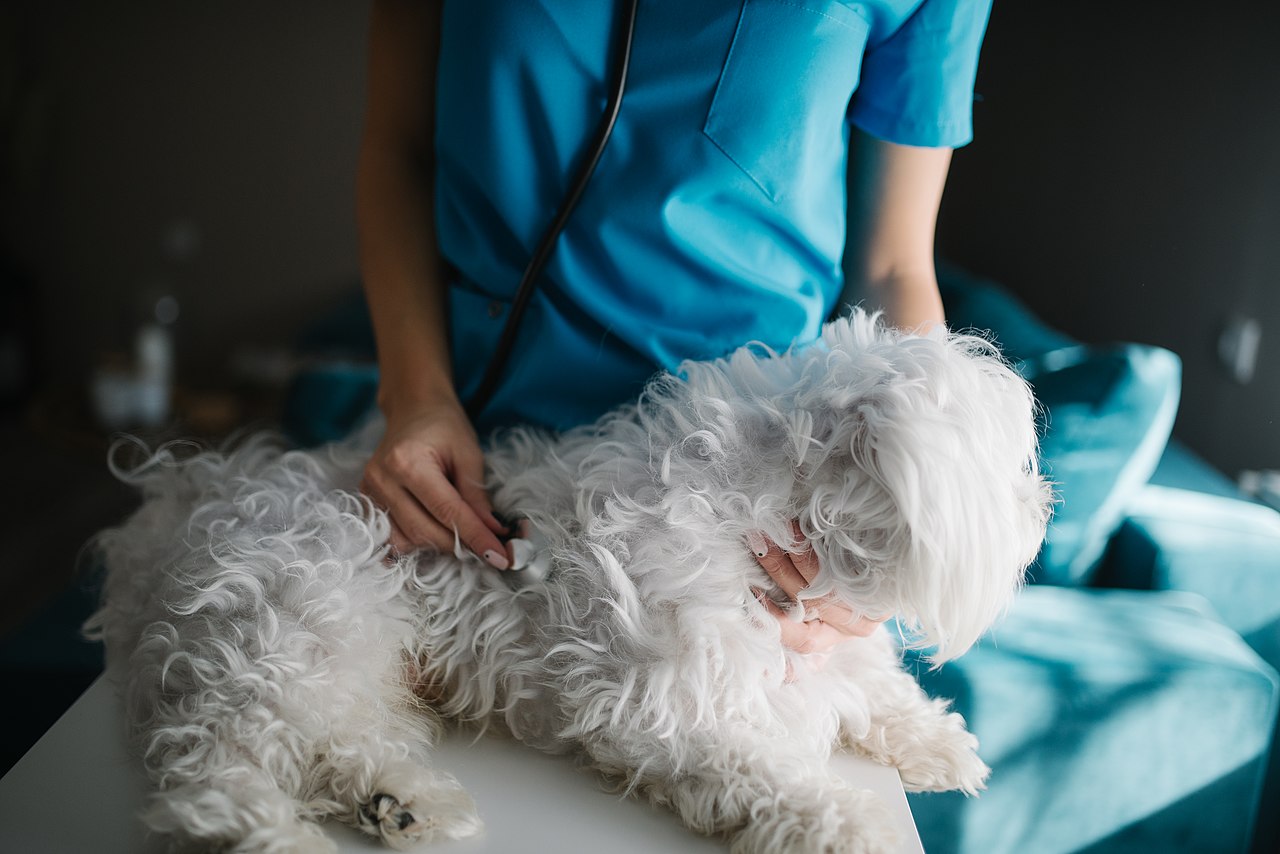
Issued by an Official Veterinarian (OV) in the UK no more than 10 days before EU entry. The OV checks chip, rabies record, and identification, then issues a multi-page certificate. The pet may be examined in person; bring vaccination records.
Validity periods: 10 days from issue for entry into the EU, 4 months from issue for onward travel within the EU once entered, 4 months from issue for re-entry to GB on the same AHC.
Pets entering Bulgaria from outside the EU travel scheme arrive via designated TPEs. The active points are:
For most British arrivals driving from Calais, the EU entry control happens at Calais itself. Once inside Schengen you drive straight through to Bulgaria with no further pet check. The Bulgarian Ministry of Foreign Affairs maintains the official guidance at mfa.bg/services-travel.
The cheap budget airlines that dominate UK-Bulgaria seats refuse pets entirely, so the question is fundamentally different from how you'd plan your own flight. There are four routes; one of them is right for your animal.
The blunt summary: most British budget carriers refuse pets outright, and the route options shrink fast once you rule them out. Here is the operator-by-operator picture as of May 2026.
All three budget carriers, which between them dominate UK to Bulgaria seats, ban pets entirely on every route. The only exception is registered assistance dogs accompanying a passenger who depends on them (trained by an Assistance Dogs International or International Guide Dog Federation member organisation). Emotional support animals are explicitly excluded. There is no cabin option, no hold option, no cargo option. If you fly Wizz Luton to Sofia, your dog is not on the plane.
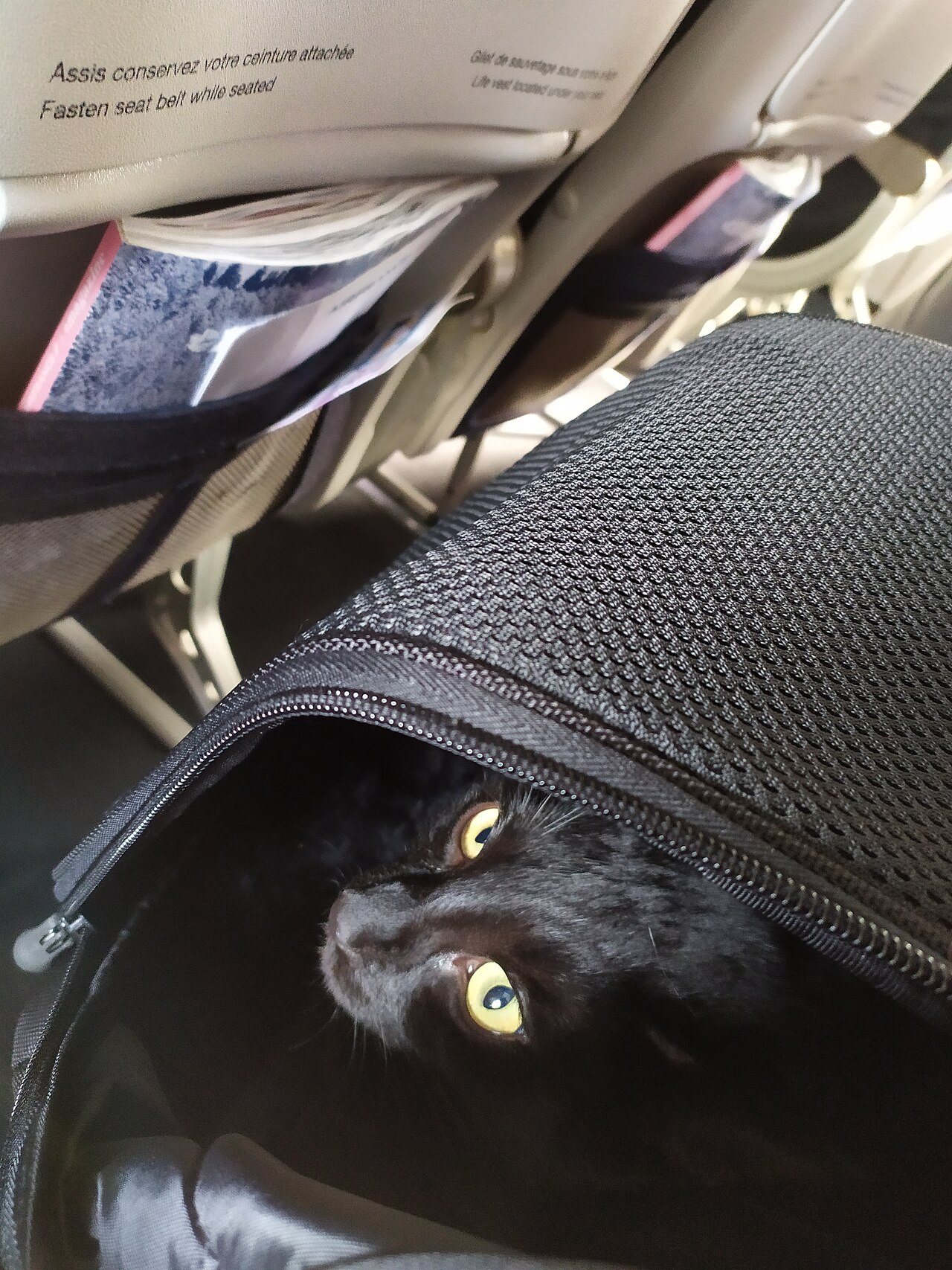
Bulgaria Air accepts cats and small dogs in the cabin if the combined weight of pet plus carrier is under 8 kg, with a soft carrier no larger than 48 × 35 × 22 cm. Pets must be over three months old and have a current rabies vaccination. The cabin service must be requested at least 72 hours before the flight via Bulgaria Air's customer service.
The caveat: cabin pets are not accepted on flights to or from London Heathrow. That rules out Bulgaria Air's flagship UK route for in-cabin travel. Pets in the hold (up to 32 kg combined with crate) are accepted on most routes including Heathrow, but you book the hold service through Bulgaria Air directly and crate dimensions must meet IATA Live Animals Regulations.
Bulgaria Air pet rules: air.bg/services/flying-with-pets.
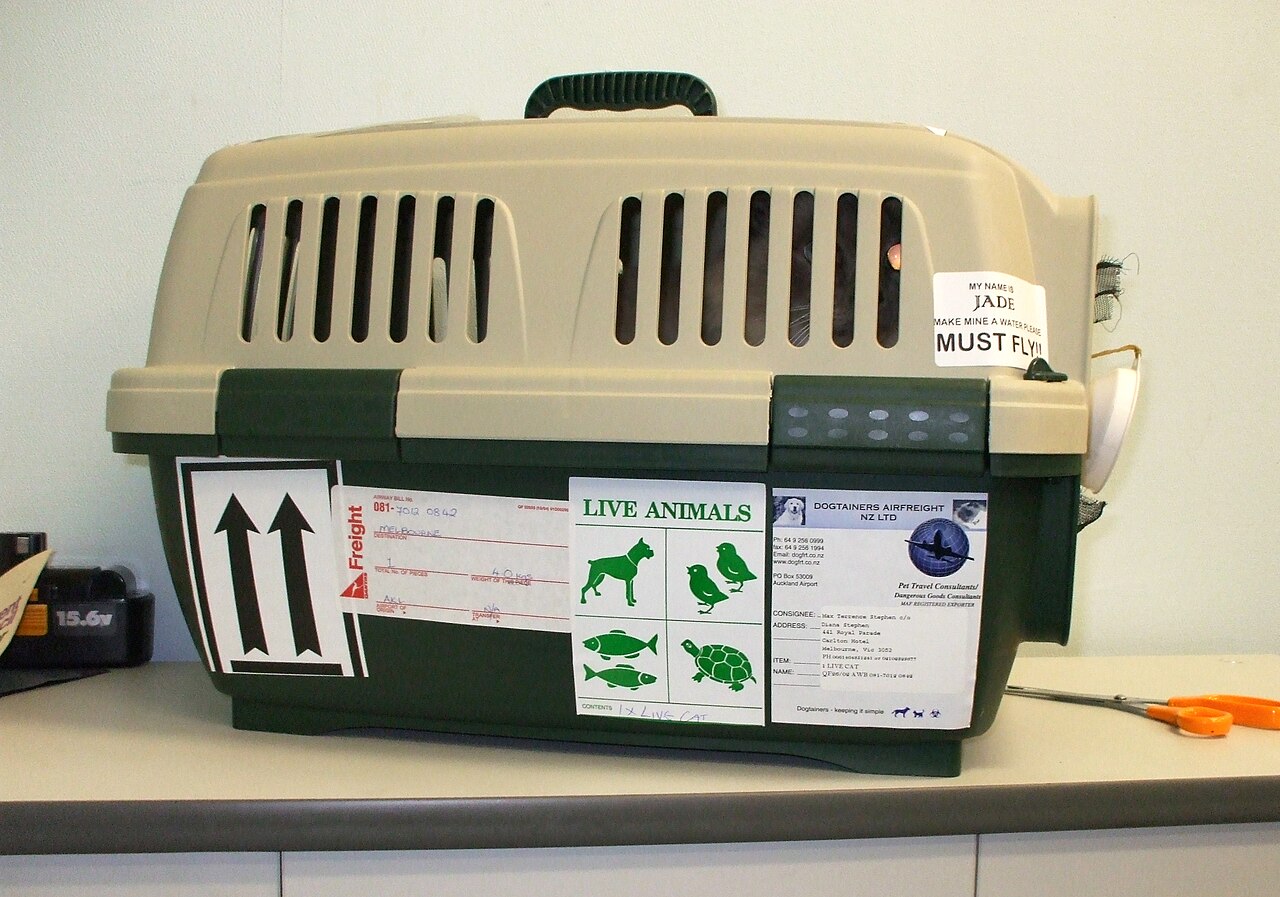
BA does not accept pets in the cabin on any route except recognised assistance dogs. Every other dog or cat travels exclusively as manifest cargo, booked through IAG Cargo (into the UK) or PetAir UK (out of the UK), not as checked baggage. Expect cargo handling fees, an IATA-compliant crate, and same-day flight booking via the cargo agent rather than the passenger website.
IAG Cargo Pets product: iagcargo.com/products/pets.
Lufthansa is the answer most British expats reach for when moving a 10-30 kg dog. Cabin: up to 8 kg including a soft carrier of max 55 × 40 × 23 cm. Hold (AVIH): up to roughly 75 kg combined pet and crate, in a temperature-controlled, pressurised section.
From 1 March 2026, restricted-breed kennels must comply with IATA's LH05 container specification (wooden or steel frame, solid plywood walls). Metal kennels are no longer accepted for those bookings, a meaningful change for owners of typed-out breeds.
Two operational notes: brachycephalic breeds (Pugs, French Bulldogs, Persian cats and similar) have been barred from Lufthansa's hold since 2020, and live animals do not transit Munich in the hold (Frankfurt is fine and has the dedicated Animal Lounge). Routing for Bulgaria is therefore typically London to Frankfurt to Sofia. Pets must be registered at least 72 hours pre-departure.
KLM accepts up to 8 kg in cabin (carrier max 46 × 28 × 24 cm) and up to 75 kg pet plus kennel in the hold, with fees from roughly €70 to €500 depending on route. Importantly, KLM does not accept passenger-baggage pets into the UK; outbound from the UK is fine, the return leg you'll need a different carrier or a different process. Boeing 787-9, 787-10 and Airbus A321neo aircraft do not carry pets in the hold, so check the aircraft type at booking.
Air France runs the same 8 kg cabin rule. Cabin fees: about €70 within France, €125 within Europe, up to €200 long-haul. Hold fees: €200 within Europe, €400 elsewhere. Brachycephalic breeds are allowed in the cabin but not the hold.
| Airline | Cabin | Hold | UK-BG verdict |
|---|---|---|---|
| Wizz Air | No | No | Assistance dogs only. Switch carrier. |
| Ryanair | No | No | Assistance dogs only. Switch carrier. |
| easyJet | No | No | Assistance dogs only. Switch carrier. |
| Bulgaria Air | ≤8 kg, NOT Heathrow | ≤32 kg incl. crate | Cabin from LGW/MAN; hold ex-LHR. |
| British Airways | Assistance only | Cargo only | Pet ships as IAG Cargo manifest. |
| Lufthansa (via FRA) | ≤8 kg | ≤75 kg AVIH | Standard route for medium/large dogs. |
| KLM (via AMS) | ≤8 kg | ≤75 kg | Outbound only; cannot bring pet INTO UK. |
| Air France (via CDG) | ≤8 kg | ≤75 kg (no brachy) | Workable both directions. |
Verified May 2026 against airline pet pages. Reconfirm directly before booking.
For many expats moving with one or two medium-sized dogs, driving is cheaper, less stressful for the animal, and avoids hold travel altogether. Bulgaria's land entry into Schengen on 1 January 2025 made the drive materially easier, no vet check at the BG border, no Romania-Bulgaria queue at Ruse.
Eurotunnel Le Shuttle charges around £18 to £22 per pet each way in 2026 (varies by ticket type), on top of the standard vehicle fare. Limit is 5 pets per vehicle for non-commercial travel. Registered guide and assistance dogs travel free. You cannot take pets on Eurostar passenger trains; the cross-Channel options for dogs and cats are Eurotunnel Le Shuttle, or the ferry (DFDS Dover-Calais, P&O, Brittany Ferries, each with their own pet policy and per-pet fee).
Required at Folkestone check-in: microchip read, AHC or EU Pet Passport, current rabies vaccination administered at least 21 days before first travel. On the return journey to the UK, dogs (not cats) need a tapeworm treatment administered by a vet 24 to 120 hours before boarding at Calais, recorded in the AHC or pet passport. Le Shuttle staff scan paperwork in the vehicle lane; missing or out-of-window treatment means refusal at the boarding gate.
Le Shuttle pet info: leshuttle.com/travelling-with-pets.
Folkestone to Sofia is roughly 2,000 miles (3,200 km) and most people split it into a 3 to 4 day drive. A typical routing is Calais then Belgium, Germany (E40 east), Austria (A1, Vienna ring), Hungary (M1, Budapest ring), Romania (A1 then DN6 toward Calafat), then Bulgaria via the Calafat-Vidin bridge or Ruse from Bucharest.
With Bulgaria having joined the Schengen Area for land travel on 1 January 2025, there is no longer a vet check at the Bulgarian border. The only formal entry control between Calais and Sofia is the EU external border crossing at Calais itself; once inside Schengen you drive straight through. This is a huge improvement on the Romania-Bulgaria queue at Ruse that historically added 4 to 6 hours in summer.
Always confirm pet acceptance per-property at booking time, and look for ground-floor rooms or rooms with a small balcony where possible. Avoid leaving pets in the car at motorway services in summer; central European temperatures sit in the 30s°C through July and August and a parked car is a death trap inside ten minutes.
If you can't drive and your pet is too big or unsuitable for cabin travel, a relocation company handles the lot: IATA crate sourcing, vet sign-off, ground transport to the cargo terminal, customs paperwork, airline booking, and delivery the other end.
For a 20 kg dog London to Sofia, door-to-door, 2026 indicative pricing lands toward the middle of PetAir's range (£2,000 to £2,500). Brachycephalic breeds, oversized crates, and same-day urgent moves push costs higher. A January to March 2026 promotional discount of £150 was running on PetAir UK at the time of writing.
Worth it if any of these apply:
Otherwise, a competent owner can do the same trip for the cost of an AHC plus airline fee or Eurotunnel, often less than £500 all-in.
Always get a written quote, in writing, with the airline named and the routing specified. Verbal estimates can drift £500 between first call and final invoice.
Once you're settled in Bulgaria with an address, the single most useful piece of pet admin is converting your AHC paperwork into a Bulgarian-issued EU pet passport. It's cheap, lifetime-valid, and removes the need for fresh AHCs every time you travel within the EU.
EU pet passports may only be issued to owners whose main residence is in the EU. So once a British expat is established in Bulgaria with an address (lichna karta or residency certificate), they qualify. The passport is issued by any authorised Bulgarian vet: most private clinics qualify, the issuing vet must have OV authorisation registered with BABH (the Bulgarian Food Safety Agency, Българска агенция по безопасност на храните).
Across EU vets the passport itself is roughly €20 to €70. In Bulgaria specifically, expat-facing reports put the all-in cost at around €40 to €100 (passport booklet plus vet visit). Routine vet consultation in Bulgaria runs 30-€30.7 (around €15-30), so you typically pay one consultation fee plus the passport stationery.
The passport is valid for the lifetime of the pet, provided rabies vaccination stays current. After the passport is issued, the pet can move freely within all 27 EU states (plus Norway, Switzerland, Iceland, Liechtenstein) without further AHCs. This is the main reason expats with established residency get the Bulgarian passport done early.
BABH is the competent authority for veterinary controls, OV authorisations, and border inspection. Some English sources call it BFSA (Bulgarian Food Safety Agency), the same body. Owners do not interact with BABH directly to get a passport; they go to an authorised private vet. BABH steps in only at border inspection on entry/exit and at the regulatory level.
Once your pet is in Bulgaria as a resident, a separate set of rules applies. Most are sensible, none are onerous, but a few will catch British owners who assume UK conventions transfer.
The Veterinary Activities Act (Закон за ветеринарномедицинската дейност) is the primary statute. The full English text is published on the World Organisation for Animal Health (WOAH) site at woah.org Veterinary Practice Act PDF. It mandates microchipping and registration of all pet dogs.
Every owned dog in Bulgaria must be:
Cats are not yet subject to a national chip-register requirement, though the new EU regulation announced in May 2026 will phase in cat registration over 15 years for private owners. Worth chipping the cat anyway: it's the single most useful safeguard if she gets out.
Set under the Local Taxes and Fees Act. Each municipality sets its own annual rate by ordinance, so the figure varies. Examples confirmed for 2025-26:
Common statutory exemptions in the Local Taxes and Fees Act:
Specific exemptions vary by municipal ordinance, so check with your местна администрация (local administration) when you register.
Bulgaria has no national breed-specific legislation. There are no restrictions on Pit Bull Terriers, Rottweilers, American Staffordshire Terriers, XL Bullies, or other breeds restricted under the UK Dangerous Dogs Act. This is a meaningful talking point for British owners holding an exemption certificate or owning a typed-out breed; Bulgaria is more permissive in this respect, but the "aggressive dog" muzzle obligation under municipal ordinance is still enforceable on individual animals deemed aggressive.
Note that XL Bullies banned in England, Scotland and Wales since early 2024 can legally be brought to Bulgaria on a standard AHC. Owners holding an exemption certificate should still bring it; the dog's existing chip and rabies records are unaffected by the UK exemption status.
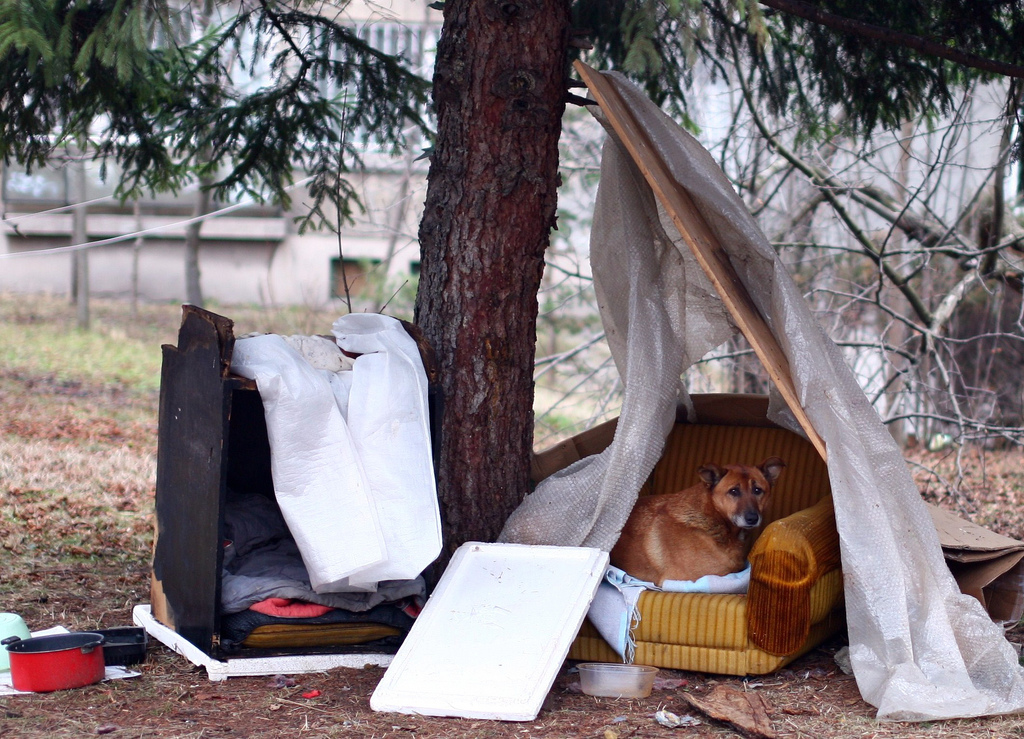
Bulgaria has a long-running stray dog issue, especially in Sofia, Plovdiv, Varna, and rural municipalities. The infamous 2012 Sofia mass-poisoning incident (strays poisoned with strychnine after a fatal mauling) prompted EU criticism and a shift to a TNR-based national policy (trap, neuter, vaccinate, return).
Current state (2024-2026):
Bulgaria is dramatically cheaper than the UK for routine veterinary work, and the standard at major-city private clinics is high. The main constraint is finding English-speaking staff outside Sofia and the bigger coastal cities.
From Sofia Veterinary Clinic's published price list:
| Service | EUR |
|---|---|
| Primary examination | €13 |
| Follow-up examination | €8 |
| Standard vaccination | €28 |
| Rabies vaccine | €20 to 26 |
| Microchip insertion | €28 |
| Male dog castration (up to 10 kg) | €77 |
| Male dog castration (40+ kg) | €123 |
| Female dog spay (up to 15 kg) | €97 |
| Female dog spay (40+ kg) | €153 |
| Male cat castration | €72 |
| Female cat spay | €118 |
A 30% surcharge applies to urgent surgery after 8 pm. Source: sofiavetclinic.bg/price-list. Other clinics will vary by ±20%.
For comparison, a UK private-vet consultation typically runs £45-70, dog neutering £150-500 small to medium, and £500-900+ for a large bitch spay. Even allowing for spread between Bulgarian clinics, neutering a medium dog in Bulgaria costs roughly a quarter of the UK figure. This is one reason expats routinely time elective procedures (spays, dental work, ear-canal surgery) for after the move.
Names recommended on expat forums (treat as a starting point, not a vetted directory):
24-hour emergency cover outside Sofia is patchy. If you live rurally, identify your nearest 24/7 clinic before you need one and store the number in your phone.
The Bulgarian pet insurance market is small and very different from the UK's. Cover is limited and more often resembles accident-only or third-party liability than the comprehensive lifetime cover Brits expect. Most expats either self-insure given the low price of routine care, or maintain a UK policy (rare, and usually requires a UK address). Worth pricing both options before assuming anything.
For chronic conditions or expensive ongoing treatment (oncology, orthopaedic surgery), the math often still favours self-insuring in Bulgaria: a hip replacement that costs £6,000+ in the UK can be done in Sofia for a fraction of that, well within the cost of a few years' UK insurance premiums.
A handful of risks that British owners rarely encounter at home: tick-borne disease that demands year-round prevention, the most venomous snake in Europe, livestock guardian dogs that view your retriever as a wolf, and Mediterranean summer heat. None are deal-breakers, all are manageable with awareness.
This is the single biggest health risk to UK dogs moving to Bulgaria. Babesiosis, ehrlichiosis, anaplasmosis and (in southern regions) leishmaniasis all have meaningfully higher seroprevalence in Bulgarian dogs than in UK dogs. Studies have documented relatively high rates of antibodies to Babesia canis, Ehrlichia canis and Dirofilaria immitis (heartworm) antigen in Bulgarian dogs, particularly in central-southern parts of the country.
Reference: Parasitology Research, tick-borne pathogen prevalence in Bulgaria.
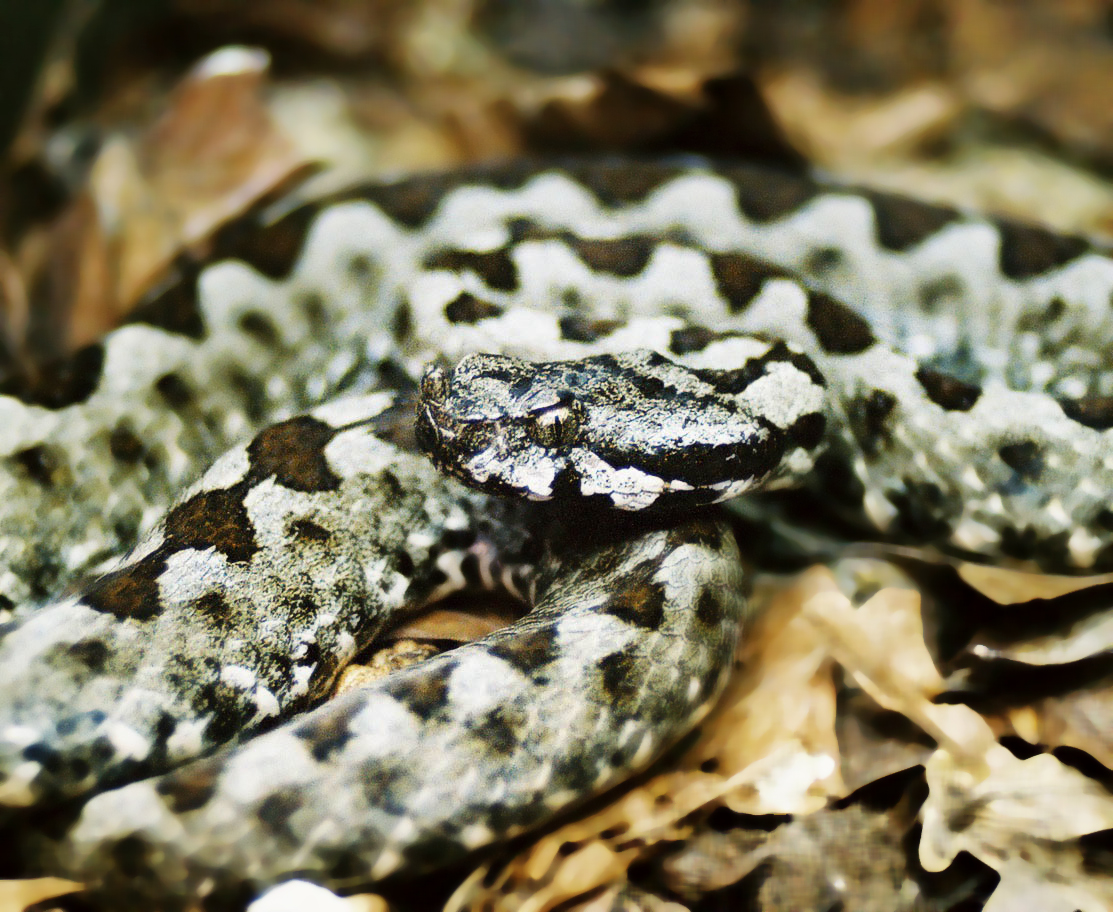
The nose-horned viper is present across Bulgaria and is widely regarded as Europe's most dangerous viper; its venom has cytotoxic, hemotoxic and neurotoxic effects. Dogs are bitten more often than people because they nose into rocks and scrub. Bites are a veterinary emergency.
Antivenom is produced in the region (Bulgaria and Croatia historically) and most large veterinary clinics in Sofia and the regional centres will have or be able to source it. Identify your nearest emergency clinic before you walk in viper country, May to September are peak months. The species is most active on warm rocky south-facing slopes; Rila, Pirin, the Rhodopes, and the Stara Planina foothills are all viper habitat. Coastal scrub near Burgas and Sozopol is also viper country.
If your dog is bitten: keep the dog calm, restrict movement (carry if you can), get to a vet within 60 minutes if possible. Do not apply a tourniquet. Do not try to suck out venom. Do not give human painkillers; many are toxic to dogs. The signs are rapid swelling around the bite, drooling, collapse, sometimes seizures. Antivenom plus fluids and antibiotics is the standard treatment; most dogs survive if treated promptly.
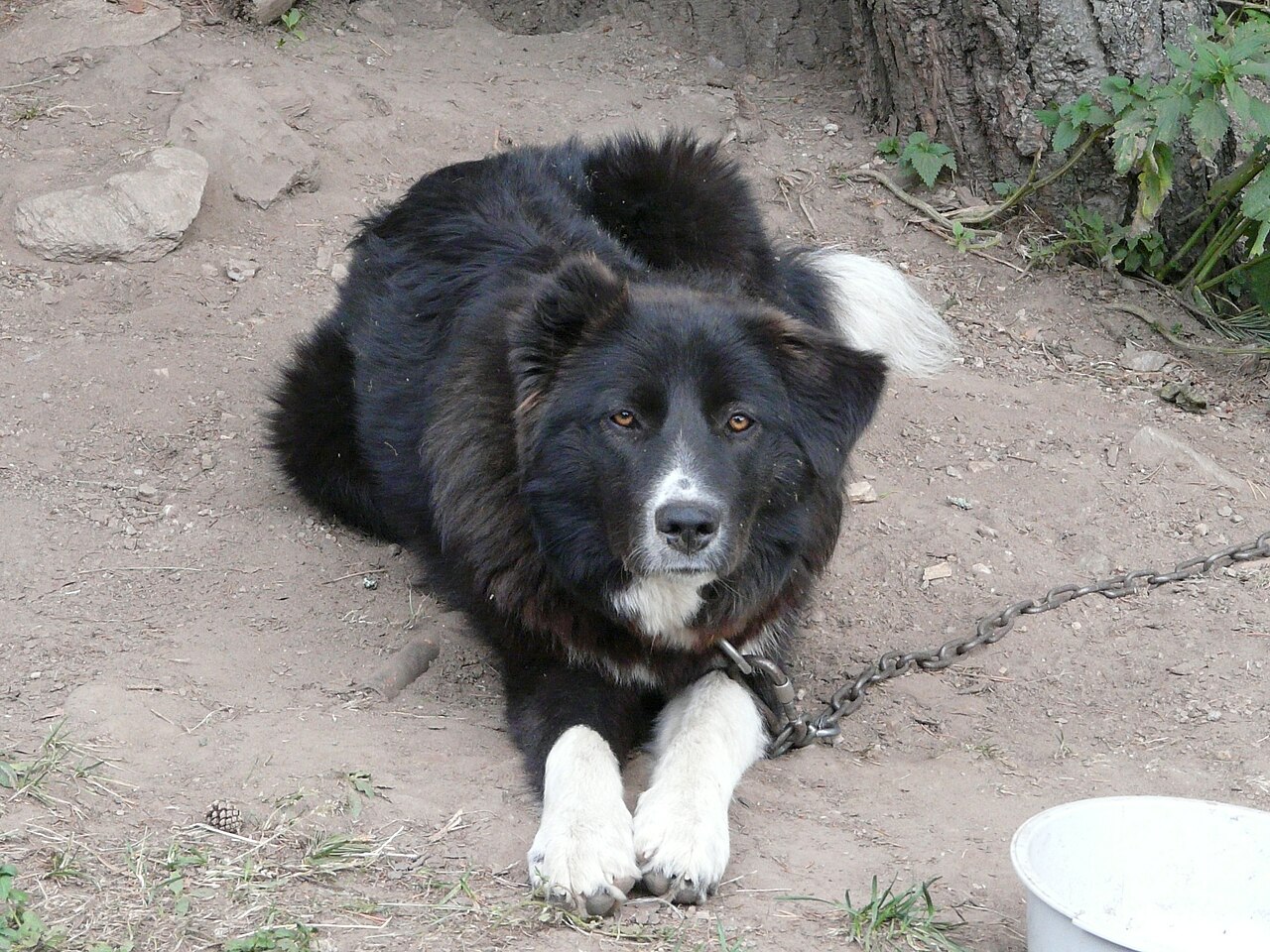
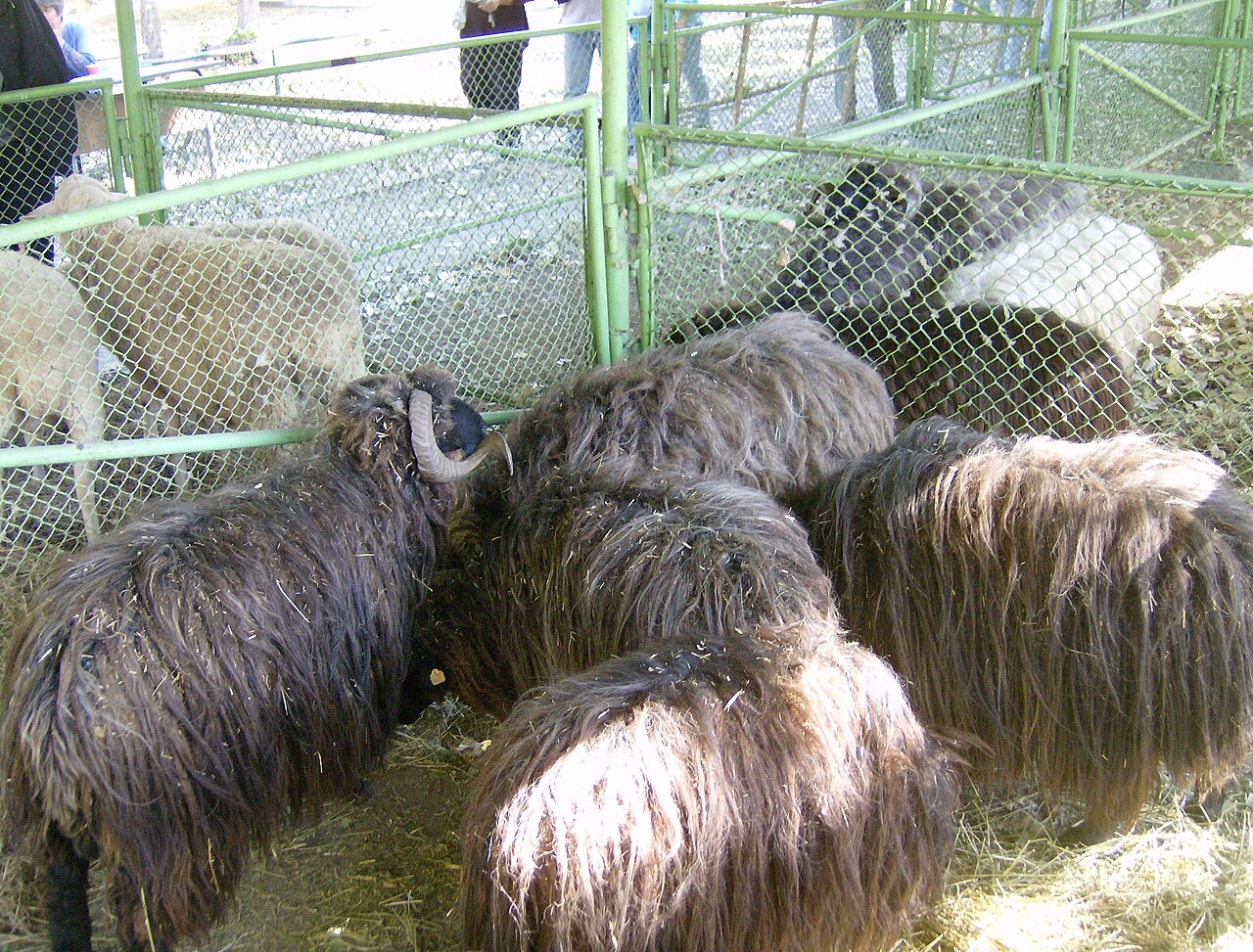
Hiking the Rila, Pirin, Rhodopes or Stara Planina, you will encounter shepherds with flocks guarded by Karakachan dogs: large, territorial, and bred over centuries to deter wolves and bears. They are fiercely protective of the flock and will see your dog as a predator.
The practical rule: when you spot a flock, give it a wide berth. Leash your dog. Do not approach the flock or try to walk through it. Bulgarians have lived alongside this tradition for centuries and the convention is to walk around, not through. Most incidents involve hikers who tried to push past or whose dogs ran toward the sheep. The shepherd will usually call the dogs off if you stand still and are visibly retreating; if a Karakachan is bearing down on you, do not run, walk slowly backwards, and keep your dog behind your legs if possible.
The breed itself is not aggressive to humans by default; the protective response is triggered by perceived threat to the flock, and a leashed pet dog being walked past is the textbook trigger.
Bulgarian summers regularly top 35°C in July and August, with 40°C heatwave peaks, and inland cities (Plovdiv, Stara Zagora, Veliko Tarnovo) are often hotter than the coast. Never leave a pet in a parked car. Walk dogs at dawn and after dusk in summer. Indoor pets benefit from air conditioning; a cheap split unit in one room is enough for most cats and dogs to ride out the worst.
Hot pavements scald paws by mid-morning in July; the back-of-hand test (if you can't hold the back of your hand on the pavement for 7 seconds, it's too hot for the dog) applies. Brachycephalic breeds (Frenchies, Pugs, Bulldogs) are at high risk of heatstroke and should not be exercised between 11 and 19 in summer at all.
Brown bear, wolf and golden jackal are present in the Rila, Pirin, Rhodopes and Stara Planina ranges. Encounters with pet dogs are uncommon but not unheard of. Keep dogs on lead in mountain country, and never let them range out of sight in known wolf territory. The jackal population has expanded dramatically across Bulgaria in the last 20 years; jackals are smaller than wolves but pack-hunt at night, and can take small dogs if left outside unattended in rural areas.
Stray dog populations have been reduced significantly in Sofia compared to a decade ago, but rural villages still see roaming dogs, sometimes packs. Most are wary of humans and not aggressive unless cornered, but they can be a real risk to small pets, especially small dogs and cats let outdoors unsupervised. A village bitch in heat will draw a pack into the street for days. Worth scoping the situation before letting a Yorkie or Chihuahua wander the garden, or before letting a cat out in a new village.
Background: Street Hearts BG, Bulgaria's dog problem.
The practical questions: rentals, public transport, cafes, beaches, and the village-house calculation that pulls so many British retirees out of Sofia and into a courtyard with a dog and a vegetable patch.
Landlord attitudes vary enormously. Sofia and the bigger cities have a growing pet-friendly rental segment, especially in newer apartment blocks; older buildings and conservative landlords often refuse pets outright. Expect to pay an extra month's deposit if pets are accepted. Having vaccination records, a brief letter from a previous landlord ("the dog never damaged the property and was house-trained"), and a clear willingness to walk away if the answer is no, all help.
For a more detailed treatment of the renting process, deposits and the standard contract structure, see our Renting in Bulgaria guide.
This is part of why so many British retirees buy a village house with land. The dog gets a yard, the landlord question disappears, and 1,000 square metres of garden costs less than a Sofia apartment. The trade-off is that owning land in Bulgaria has its own complications (the OOD/EOOD requirement for foreigners buying agricultural land, the "common parts" complications in shared courtyards), covered in detail in our buying property guide.
Sofia metro, trams and buses accept dogs with the following rules: small dogs in carriers travel free; larger dogs must wear a muzzle and be on a short leash. Outside Sofia, rules are typically the same in Plovdiv, Varna, Burgas, and Stara Zagora; smaller cities are more flexible in practice but the muzzle rule technically applies. Some inter-city buses (Union Ivkoni, BG Razpisanie) accept dogs in carriers; check the carrier's conditions before booking.
Bulgarian cafe and restaurant culture is broadly dog-tolerant outdoors and patchy indoors. Most outdoor terraces will let a leashed, calm dog lie under your table. Indoors is hit-and-miss; ask. Coastal resorts (Sunny Beach, Albena, Sozopol) have dedicated dog-friendly stretches of beach but most central beach areas are off-limits to dogs in summer (typically 1 May to 30 September). Lake and reservoir beaches are usually freer.
Bulgarian and most European laws require dogs to be either crated, behind a barrier, or harnessed to a seatbelt while travelling in a car. UK clip-in harnesses meet this standard. A loose dog on the back seat is a €51.1 fine and an insurance complication if you crash.
Some Brits keep the UK option open: a dog adopted in Bulgaria might travel back to Britain with a relative, a holiday home in the Cotswolds wants the cat for Christmas, a family emergency requires a same-month return. The return rules are stricter than the outbound rules.
An EU pet passport issued by a Bulgarian vet is accepted for the return journey to GB. This is the asymmetric bit of the post-April-2026 rules: EU passports are no longer valid OUTBOUND from GB after April 2026, but they ARE still valid INBOUND to GB. Source: gov.uk bring-pet-to-great-britain.
Required documents and treatments:
These figures are reported by expat-focused sources rather than official price lists; reconfirm with your vet.
The 24-120 hour tapeworm window is a real constraint. If you book Le Shuttle for Tuesday 10:00 from Calais, the tapeworm tablet must be administered between Thursday 10:00 and Monday 10:00 the previous week, and the vet visit must be recorded in the passport with a stamp and signature. Plan the vet appointment before booking the crossing; not every Bulgarian village vet offers same-day OV-stamped visits.
Bulgaria has more rescue dogs than homes, and several reputable organisations make adoption straightforward. If you've moved here, adopting a local rescue is one of the easiest ways to give back to a community that has more strays than its public services can humanely manage.
The deeper guide: this is the practical adoption section. For the full picture on Bulgaria's stray-dog and stray-cat reality, the orange ear tag, TNVR programmes, the leading Bulgarian and expat-founded NGOs, and the cultural divide around animals, see our dedicated Animal Welfare in Bulgaria guide.
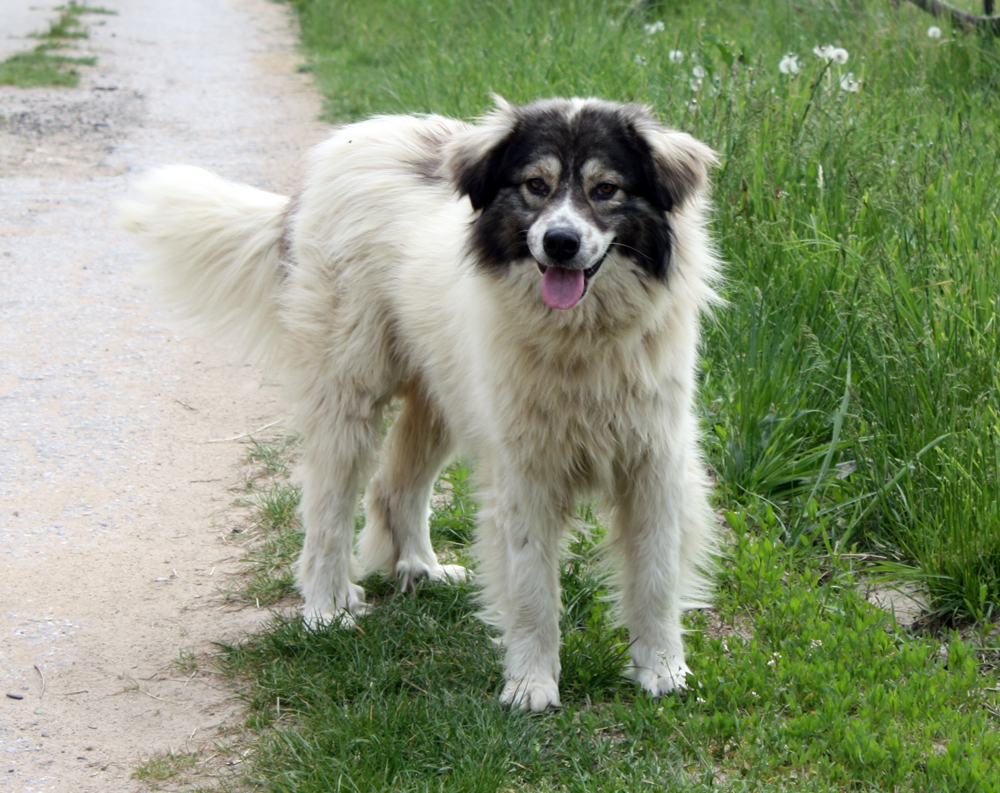
The standard EU-to-GB rules apply: microchip, current rabies (minimum 21 days post-vaccination before travel), tapeworm treatment 1 to 5 days before boarding, and a GB Animal Health Certificate or Bulgarian-issued EU Pet Passport endorsed by an Official Veterinarian. This is the same paperwork stack you used to bring your own dog out, just in reverse, and reputable Bulgarian rescues handle it as standard for UK adopters.
Allow at least 21 days from first vaccination if the dog was unvaccinated when found, and budget €100-200 for the OV visit and passport issuance.
If you're new in Bulgaria and want to meet your community, the rescues are a fast on-ramp. Most welcome dog-walking volunteers, transport-driving volunteers (taking dogs from regional pickups to the main shelter), and short-term fosterers. Animal Rescue Sofia has a structured volunteer programme; smaller rural rescues are typically informal but always need help.
The questions readers ask most about taking a pet to Bulgaria, with short, sourced answers.
No. Since 22 April 2026, EU pet passports issued to GB-resident owners are no longer valid for outbound travel from Great Britain. GB residents must travel with a GB Animal Health Certificate (AHC) instead. The AHC is issued by an Official Veterinarian in the UK no more than 10 days before EU entry, costs roughly £100 to £250, and is valid for 4 months of onward travel within the EU from the date of issue. Northern Ireland residents are unaffected and continue to use EU pet passports.
At least 21 full days from the date of the primary rabies vaccination. The pet must be at least 12 weeks old when first vaccinated. Boosters do not require a fresh 21-day wait provided cover has been continuous and recorded. Critical sequencing rule: the microchip must be in place before or at the same time as the rabies vaccination. If the chip was implanted after vaccination, that vaccination is invalid for EU entry and the pet must be re-vaccinated.
No. The EU countries that require Echinococcus tapeworm treatment on entry are a closed list of five: Finland, Ireland, Malta, Norway, and Northern Ireland. Bulgaria is not on it. A dog flying or driving directly from the UK to Bulgaria does not need pre-arrival tapeworm treatment. Tapeworm treatment IS required for dogs returning from Bulgaria to Great Britain, between 24 and 120 hours before arrival in GB.
Wizz Air, Ryanair and easyJet ban all pets except registered assistance dogs, on every UK-Bulgaria route. Bulgaria Air accepts cabin pets up to 8 kg combined with carrier on most routes but NOT to or from Heathrow. Lufthansa via Frankfurt is the standard answer for medium and large dogs. KLM via Amsterdam works outbound but does not accept passenger-baggage pets into the UK on the return leg. British Airways routes pets as manifest cargo via IAG Cargo or PetAir UK.
Le Shuttle charges around £18 to £22 per pet each way in 2026 (varies by ticket type), on top of the standard vehicle fare. Limit is 5 pets per vehicle for non-commercial travel. Registered guide and assistance dogs travel free. Eurostar passenger trains do not accept pets. Required at Folkestone check-in: microchip, AHC or EU Pet Passport, current rabies vaccination administered at least 21 days before first travel, and on the return leg a tapeworm treatment 1 to 5 days before boarding at Calais.
Roughly a quarter of UK prices for routine work. A primary consultation in Sofia is around €12.8 (€13). Standard vaccination is €28.1 (€28). Microchip insertion is €28.1 (€28). Castration of a male dog up to 10 kg is around €76.7 (€77); a large female spay (40+ kg) is around €153 (€153). Compare with UK private-vet consultations at £45 to £70, dog neutering at £150 to £500, and large-breed spays at £500 to £900.
Yes for dogs. Every owned dog in Bulgaria must be microchipped, vaccinated annually against rabies, registered with a private vet, and declared to the local municipality. Your authorised vet uploads the chip and vaccination data into BABH's national VetIS database. There is also an annual municipal dog tax (taksa za kuche), set by each municipality. In Sofia it is €12.3 per year and is waived for sterilised dogs. Cats are not yet subject to a national chip-register requirement.
No, Bulgaria has no national breed ban. There are no restrictions on Pit Bull Terriers, Rottweilers, American Staffordshire Terriers, XL Bullies, or other breeds restricted under the UK Dangerous Dogs Act. The general "aggressive dog" muzzle obligation still applies to individual animals deemed aggressive under municipal ordinance, with fines up to €511 (around €511) for an aggressive dog without a muzzle in public.
Tick-borne disease is the single biggest threat: babesiosis, ehrlichiosis, anaplasmosis and (in southern regions) leishmaniasis all have meaningfully higher seroprevalence in Bulgarian dogs. Year-round tick prevention is essential, not seasonal. Heartworm is also present and requires monthly preventative. Other risks: viper bites in summer, heat stress in summer (regularly 35°C+, with 40°C heatwave peaks), livestock guardian dogs (Karakachan) in mountain pasture areas, and stray-dog encounters in some rural villages.
Yes. The rules are the same as for your own dog: ISO 15-digit microchip, current rabies vaccination at least 21 days post-primary, tapeworm treatment by a vet 24 to 120 hours before arrival in GB (dogs only, cats exempt), and either a Bulgarian-issued EU pet passport or a GB Animal Health Certificate endorsed by an Official Veterinarian. Reputable Bulgarian rescues handle the paperwork as standard for UK adopters.
Yes. Once you have a registered Bulgarian address (lichna karta or residency certificate), any authorised Bulgarian vet (most private clinics) can issue an EU pet passport. Cost is typically €40 to €100 all-in, including the consultation. The passport is valid for the lifetime of the pet provided rabies vaccination stays current. Once issued, the pet can move freely within all 27 EU states plus Norway, Switzerland, Iceland and Liechtenstein without further AHCs.
Mixed. Sofia and the bigger cities have a growing pet-friendly rental segment, especially in newer apartment blocks; older buildings and conservative landlords often refuse pets outright. Expect to pay an extra month's deposit if pets are accepted. Public transport rules require larger dogs to wear a muzzle. Dogs must be on a leash outside the home (€51.1 fine if not), and many playgrounds and signed exclusion zones are off-limits.
It depends on the dog and the budget. A pet relocator (PetAir UK, Airpets, PBS Pet Travel, Jet Pets) handles IATA crate sourcing, vet sign-off, ground transport, customs paperwork, airline booking, and door-to-door delivery. Indicative cost for a 20 kg dog London to Sofia is £1,400 to £3,000+. Worth it if the pet is large, brachycephalic, or you can't drive across Europe. Otherwise, a competent owner can do the same trip for the cost of an AHC plus airline fee or Eurotunnel.
The single most common regret in British expat groups is leaving a pet behind because the paperwork "looked too complicated". It isn't. The April 2026 changes added one extra step (AHC instead of EU passport) and tightened the document checks at first EU entry, but the underlying chain is the same as it has been since 2021: chip, rabies, 21-day wait, AHC, travel, register on arrival.
The real planning is around the route. Get the airline question right and the rest is administration. Get it wrong (booked on Wizz, dog with no plan) and you're either driving 2,000 miles in a hurry or paying a relocator £2,500 you didn't budget. Plan the route first, then work backward through paperwork timing.
Once you're here, Bulgaria treats pets well, expensive food is cheap, vet care is excellent value, and a country with more landscape than landlords is a good place to be a dog. Worth bringing them.
Related guides: Shipping and moving from the UK · Renting in Bulgaria · Buying property · Residency · Health · Cost of living.