
"Do I need insurance in Bulgaria?" is a question with one answer that fits in a single sentence and twelve answers that fit in a guide. The single-sentence version: yes for your car if you own one (Grazhdanska otgovornost is compulsory), yes for healthcare under whichever route applies to your status, and very-strongly-yes for your home if it is a village house. The twelve-answer version is the Insurance Stack: five tiers of cover that each protect a different thing, sit under a different regulator, and fail in different ways. This guide unpacks the stack tier by tier, names the Bulgarian-language terms you will see on every policy schedule, explains the three documents that are NOT the same thing (Civil Liability vs Casco vs Green Card; S1 vs GHIC vs private; buildings vs contents vs association cover), and flags the village-house paradox where the cover you need most is the cover most policies exclude by default.
Insurance needs depend on which kind of British expat you are. Find yourself in the table; the rest of the guide explains each row.
| If you are... | Your minimum stack | First action |
|---|---|---|
| UK pensioner with S1, owns a Bulgarian flat | S1 (already free) + apartment buildings & contents + apartment liability + travel for UK trips | Register S1 with NHIF; quote two apartment policies; double-check water-leak liability. |
| UK pensioner with S1, owns a village house | S1 + village-house buildings (with earthquake, flood, vacant-property) + contents + liability + travel | Read Section 9 first; the default policy is wrong for village houses. |
| Working-age Brit on Bulgarian payroll | NHIF auto-deducted from salary + Civil Liability if driving + home insurance + UK life policy review | Confirm NHIF contribution on first payslip; tell your UK life insurer about the move. |
| Remote worker / freelancer in Bulgaria | Private medical for residence (often) + professional indemnity + Civil Liability if driving + income protection | Buy residency-compliance medical from a broker who has seen Migration Directorate paperwork. |
| New mover applying for D-visa from the UK | Pre-arrival D-visa medical + UK travel insurance for the journey + UK contents in transit | Get the medical policy with at least 30,000 EUR cover and a Bulgarian-language schedule. |
| Holiday-home owner (visits 2 to 3 times a year) | Specialist unoccupied / second-home policy + travel insurance for visits + Civil Liability if there's a car here | Standard buildings cover will be void after ~60 days vacant; ask for second-home wording. |
| Mountain hiker, skier, or climber | Anything above PLUS PSS rescue subscription or travel policy with mountain-rescue clause | Get the policy before the first long route or first ski day, not after. |
| Guesthouse / Airbnb host | Commercial buildings & contents + public liability for paying guests + business-interruption + pool / spa cover if relevant | Standard home policy does NOT cover paying guests; declare the use or every claim is invalid. |
Every insurance question a British expat asks falls into one of five tiers. The tiers are stacked: a working-age Brit on Bulgarian payroll lives mostly at Tiers 1 and 3; a retiree with an S1 lives at Tiers 2 and 3; a freelancer who skis in Bansko at weekends lives at all five. Use the stack as a checklist.
| Tier | Name | What it covers | Who it's for |
|---|---|---|---|
| 1 | Compulsory | Motor third-party (Grazhdanska otgovornost), Bulgarian health-insurance contributions for payroll / self-insured | Anyone who owns a Bulgarian-registered car or earns income in Bulgaria |
| 2 | Residency-paperwork | Private medical insurance valid for D-visa or long-stay residence applications; sometimes pre-arrival travel medical | New post-Brexit British movers, non-EU dependants, early retirees before S1 |
| 3 | Asset-protective | Casco own-damage car insurance, home buildings, home contents, apartment liability, valuables, gadget cover | Anyone with property or vehicles worth more than they can absorb if lost |
| 4 | Income-protective | Life insurance, critical illness, income protection, accident, sickness cover, mortgage protection | Anyone with dependants, a Bulgarian mortgage, or a single online income source |
| 5 | Activity-specific | Travel for trips outside Bulgaria, mountain rescue, winter sports, professional indemnity, public liability, guesthouse cover | Hikers, skiers, climbers, freelancers, hosts, landlords, anyone running a business from home |
Each tier has its own failure mode. Knowing which mode applies tells you which document to read, which clause to argue and which regulator to escalate to.
Health cover is the single most-confused part of expat life in Bulgaria. There are five distinct routes into healthcare, they are not interchangeable, and the right combination depends entirely on your status. Mix them up at your peril.
Anyone earning income legally in Bulgaria contributes to the National Health Insurance Fund. The mechanism differs by income type:
Once contributions are flowing, you register with a Bulgarian GP (general practitioner, in Bulgarian obshtopraktikuvasht lekar or simply OPL). The GP becomes your gatekeeper for everything: referrals to specialists, prescriptions, hospital admissions. NHIF is not free at the point of use, there are patient fees for visits and partial co-payments for many medicines, but for big-ticket items (surgery, oncology, A&E) the financial protection is real. See our Health guide for the registration mechanics, the NHIF card, and what the GP visit actually looks like.
If you are a UK State Pension recipient (or certain other exportable-benefit claimants), the UK NHS Business Services Authority (NHSBSA) will issue you an S1 form. The S1 entitles you to Bulgarian state healthcare on the same basis as a Bulgarian contributor, paid for by the UK. Register the issued S1 at your local Regional Health Insurance Fund (RHIF) office shortly after arrival. After registration, you function inside NHIF exactly like a contributing local: same GP gatekeeper, same patient fees, same hospital pathway. See the S1 section of our Pensions guide for the full mechanics, including the S1 termination trap when a Bulgarian pension later starts.
The UK Global Health Insurance Card and the European Health Insurance Card are travel documents. They cover medically necessary state treatment during temporary stays. They do not constitute residence-grade healthcare, do not cover private hospitals, do not cover repatriation, do not cover rescue, do not cover planned treatment, and are routinely refused as evidence of healthcare for D-visa / long-stay residence applications. Useful for a Brit visiting parents in Sofia for two weeks. Useless for a Brit moving to Plovdiv for two years.
The Bulgarian Migration Directorate and the UK-side consular network commonly require new movers to show private medical insurance evidence on a D-visa or long-stay residence application. The cover must be valid for the duration of the visa, must meet a minimum sum insured (commonly 30,000 EUR but check current rules with the consulate), and must come from an insurer authorised to operate in Bulgaria or in the EU. Section 4 of this guide walks through what a residence-grade private medical policy actually contains, where they fail, and how cheap-to-buy can become expensive-to-claim.
Residents need travel insurance for trips outside Bulgaria. NHIF and S1 cover you in Bulgaria. They do not cover repatriation from a holiday in Egypt or Thailand, do not cover lost baggage, do not cover cancellation. Look for policies that explicitly cover Bulgarian residents (many cheap UK travel policies require the trip to start and end in the UK and silently fail otherwise).
This is the policy most new British movers buy first, often badly. Since Brexit, the cheapest off-the-shelf "residence-compliance" policy ticks the box at the consulate but does almost nothing at a hospital. Knowing the difference saves real money.
The required attributes vary by visa type and from year to year, but the canonical D-visa pack expects:
Cross-reference with our Residency guide for the full D-visa documentation pack and the order of operations between the FCDO apostille of UK documents, the Bulgarian consular submission, and the in-country Migration Directorate appointment.
Several Bulgarian insurers (Bulstrad, Allianz Bulgaria, Lev Ins, DZI, Armeec, Generali Bulgaria) offer 60-200 EUR a year products specifically marketed as "residency-compliance". They satisfy the consulate. They typically fail you at a real hospital because:
If you can afford it, look for a mid-tier product (typically 350-1,200 EUR a year depending on age) that includes:
Many policies marketed as "residency-compliant" have a 30,000 EUR total annual aggregate. That is the floor the consulate requires, not the practical level you should buy. A serious surgery in a Sofia private clinic can run 25,000 to 40,000 EUR by itself. Buy the cover that protects you in a real hospital, not the cover that just passes the visa interview.
If you own a Bulgarian-registered vehicle of any kind, mandatory third-party motor liability cover is the single non-negotiable insurance line in your life. It is short, cheap, and the gateway to every other motor-related transaction.
Civil Liability is materially cheaper than UK car insurance. Indicative annual ranges for a private car in 2026:
Most insurers will quote both a single-payment price and a four-instalment plan; the instalment plan typically loads ~6-10% to the headline. If cash flow allows, pay annually.
The Bulgarian motor insurance market is dominated by six names: Bulstrad, DZI, Armeec, Lev Ins, Allianz Bulgaria and Generali Bulgaria. The Civil Liability product is highly commoditised, so price differences for the same risk are smaller than the marketing suggests. Where insurers differ is claims-handling speed and the quality of their assessment network. Ask the broker which insurer has the shortest typical claim-settlement time, not just which has the cheapest premium.
Three routes:
Driving without valid Grazhdanska otgovornost is a serious offence. Fines start at about 130 EUR for a first offence and escalate fast for repeats or where the vehicle was involved in an incident. The much bigger problem is the personal liability exposure: if you injure someone or write off another vehicle while uninsured, the Bulgarian Guarantee Fund (Garantsionen Fond, guaranteefund.org/en) pays the victim and then pursues you personally for the full amount, with no insurance to absorb the hit. Six-figure euro recoveries are the documented norm in serious-injury cases. Never drive a Bulgarian-plated vehicle without a valid policy in force, not even from the driveway to the inspection station.
If Civil Liability is the floor, Casco is the optional upgrade that turns Bulgarian motor cover into something approximating UK comprehensive. The Green Card is the document that lets your cover travel across borders.
Casco (also spelled Kasko, from the same root as the English "casualty") is voluntary own-damage motor insurance. It typically covers:
Casco premiums are a percentage of the insured value of the car: typically 3% to 8% a year, depending on age, brand, theft profile and excess level. A 25,000 EUR three-year-old Skoda Kodiaq insured Casco might cost 850-1,500 EUR a year. A 4,000 EUR fifteen-year-old runabout might cost 250-380 EUR and still represent poor value relative to just replacing the car after a write-off. Rule of thumb:
Bulgaria participates in the international Green Card / Council of Bureaux system (cobx.org). A Bulgarian Civil Liability policy automatically provides minimum third-party cover across EU/EEA countries plus most of non-EU Europe (Albania, Bosnia, North Macedonia, Serbia, Turkey, Moldova, Ukraine, UK, and others). The Green Card is the physical (or electronic) certificate that evidences this cover to police, border guards or other drivers if there is an incident.
Inside the EU the Green Card has largely gone digital, and a black-and-white printout of a PDF is routinely accepted. Outside the EU, do not assume the same. Turkish border officials, and rural checkpoints in North Macedonia, Serbia, Bosnia and Albania, have all been known to reject a home-printed A4 sheet because it is not on literal green paper, or because the printout is not on the recognisable folded booklet. If you plan to cross any non-EU border, ask your broker or insurer specifically for the traditional printed green booklet (most insurers will produce one on request, usually free or for a small handling fee). Keep it in the glove box alongside the V5-equivalent vehicle registration document. The five minutes at the broker's counter saves an hour of argument at a Turkish or Macedonian checkpoint.
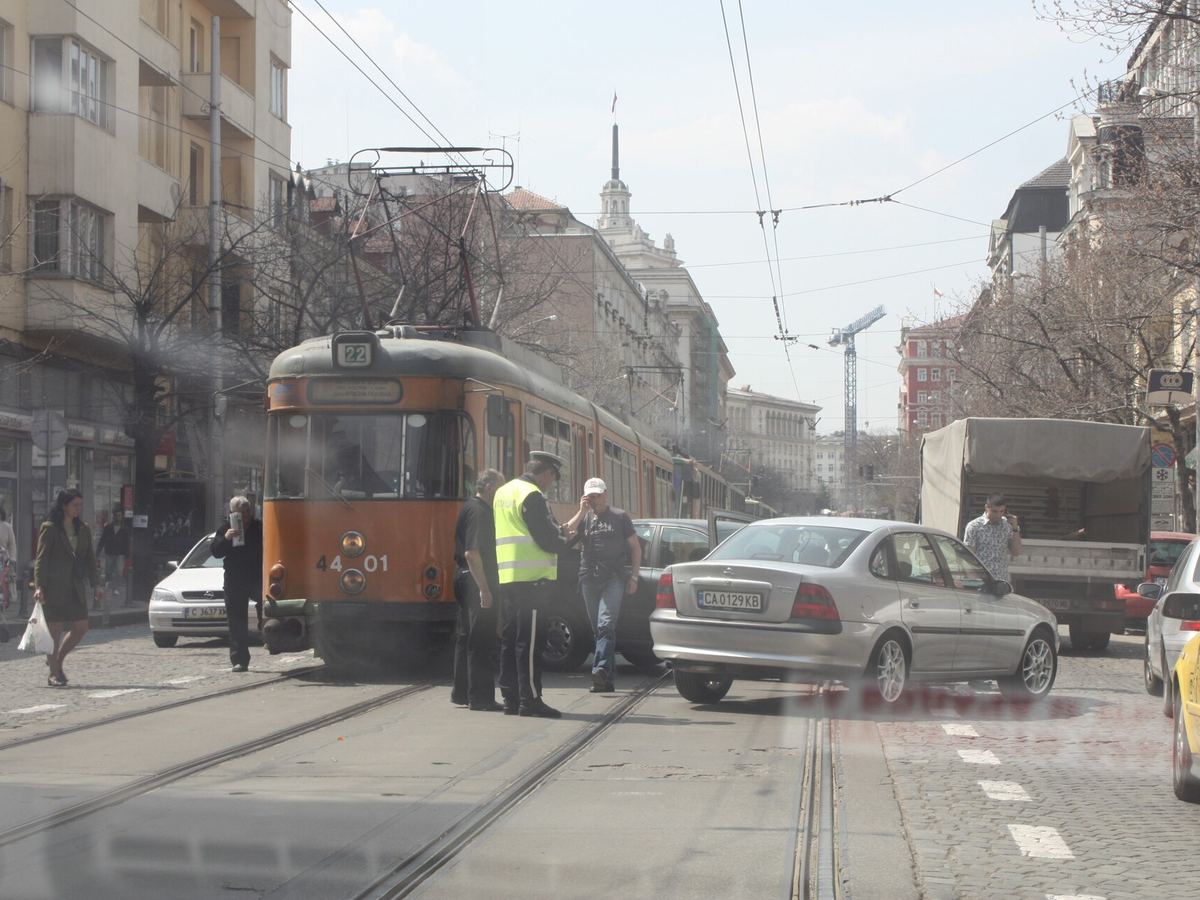
The protocol after a Bulgarian road accident is different from the UK. The wrong sequence can void your cover or hand the other driver an advantage. The right sequence is short and well-defined.
Bulgarian fault determination relies heavily on the physical evidence at the scene. If there is any disagreement about whose fault the accident was, do not move the vehicles before police arrive (subject to safety and traffic flow). UK habits of "let's just clear the road" can disadvantage you in the subsequent insurer dispute, because the evidence of impact angle and braking position is lost.
Apartment and village house are two completely different insurance problems. The apartment problem is mostly about liability to your neighbours. The village-house problem is mostly about catastrophic damage to a structure that may sit empty for months. Buying the wrong policy for the wrong property type is the most common home-insurance mistake British buyers in Bulgaria make.
Bulgarian buildings insurance (imushtestvena zastrahovka) is peril-based: each named peril is either listed in the schedule or excluded. There is no "all risks" default. The standard list of named perils, in roughly this order, is:
The English broker summary may say "comprehensive home insurance"; the Bulgarian schedule lists the actual perils. Read the Bulgarian.
The single most common Bulgarian apartment claim is water damage from the flat above leaking into the flat below. Pipes age, washing-machine hoses split, bathroom sealants fail. The default policy structure for apartments is:
In a Bulgarian block of flats the cold-water, hot-water and waste pipes run vertically through the building inside structural columns called shtrangove (sing. shtrang). A burst on the section of pipe inside the structural wall, BEFORE it reaches the individual flat's water meter, is legally the responsibility of the building's homeowners' association (etazhna sobstvenost), not the owner of the flat above. Because many older blocks have no common-parts insurance and a near-empty maintenance fund, a single burst shtrang regularly devolves into a multi-flat standoff while damp spreads through three storeys. Two practical defences: (1) confirm before buying or renting that the building has active common-parts cover and a maintenance fund with a real balance; (2) add explicit "damage caused by failure of common pipework" wording to your own buildings policy so you can claim first and let your insurer pursue the association by subrogation, rather than waiting for the neighbours to agree.
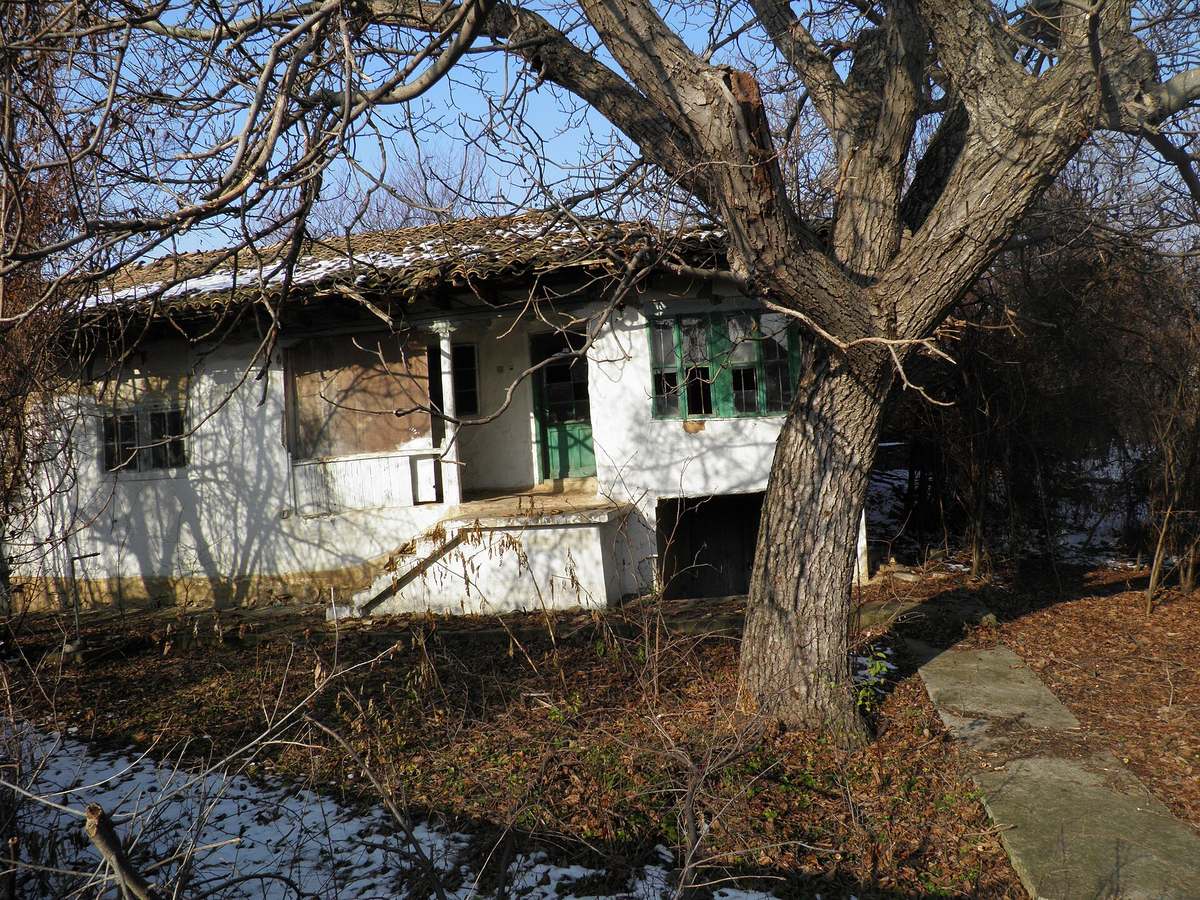
A village house carries every apartment risk plus a much longer tail. Section 9 (the Vacant Village House Paradox) covers the unoccupied-property mechanics in detail. The standard village-house buildings policy should explicitly include:
This is the single biggest under-insurance pattern in British-owned village houses. A typical British buyer in 2026 picks up a stone-and-wood village house in Shumen Province for 30,000 EUR. They tell the broker "insure it for 30,000" because that is what they paid. The broker writes the policy at 30,000 EUR. The numbers feel right.
They are wrong by a factor of four. The cost of rebuilding the same square footage to modern Bulgarian regulations (correct timber spans, modern insulation, current electrical code, code-compliant roofing) is more like 120,000 EUR in 2026 prices. The policy is therefore only 25% of true rebuild cost. The Bulgarian average clause (proportsionalno pravilo) kicks in on every partial claim: a 10,000 EUR roof-replacement claim is reduced by the same 75% under-insurance ratio and the insurer pays only 2,500 EUR. The remaining 7,500 EUR is on you.
Always insure to realistic rebuild cost, not purchase price or notary-deed value. Get a builder's quote for full reconstruction of the same property if you are unsure; add 15-25% for the demolition, debris clearance and temporary accommodation costs a full rebuild requires.
Cross-reference our Village House Renovation guide for the property-side risks and our Utilities guide for the winter-freeze mechanics and the plumbing drain-down ritual that some insurers expect during long vacancies.
The single highest-claim category for British rural buyers in Bulgaria is the village house that sits empty for nine months a year. The paradox is that the more empty it sits, the more it needs cover, and the more standard buildings policies exclude or restrict cover. Knowing how the exclusions work is the difference between a paid-out claim and a refused one.
Standard Bulgarian buildings cover assumes year-round occupation. Burst pipes get noticed in hours. Roof leaks get climbed up to and fixed. A break-in gets called in to the police the same day. Most policies therefore tighten or void cover for properties unoccupied beyond 30 or 60 consecutive days. The village house that an absent British owner visits twice a year is exactly the property the default policy assumes does not exist. The risks the empty house is exposed to (theft, vandalism, winter pipe burst, slow water leak, roof rot, chimney damage that escalates over winter) are the risks the empty-house exclusion turns off.
The first question on most Bulgarian buildings application forms is whether the property is permanently occupied (postoyanno obitavano). Ticking "yes" when the property is actually a second home that sits empty for nine months saves on premium and voids your claim. This is the single biggest refusal trigger in British-owned village-house claims. Tick "no", explain the real pattern, accept the slightly higher premium, and the cover is enforceable when you need it. The few hundred euros in extra annual premium is the cheapest insurance lesson in this guide.
Travel cover is the residue tier most expats forget. Mountain rescue is the bit of travel cover most people forget exists at all. Both bite in scenarios where the bill arrives in days, not weeks.
The mistake British expats make most often is using a UK travel policy bought online from the same insurer they used pre-move. Many UK products are written for "UK residents departing from the UK" and silently void if the policyholder is now resident in Bulgaria. Specifically check:
Bulgaria's mountain rescue body is the Planinska Spasitelna Sluzhba (PSS, pss.bg). PSS operates rescue teams in Rila, Pirin, the Balkan range, the Rhodopes, Vitosha, Strandzha and at all four major ski resorts (Bansko, Borovets, Pamporovo, Vitosha). Rescues are not free for non-insured users. PSS offers an annual mountain insurance / rescue subscription directly to individuals and families. The subscription costs typically 20-40 EUR a year for an individual and a little more for a family, and gets you cover for rescue, search, evacuation and basic on-mountain medical handling for the duration. For anyone who skis weekly in Bansko or hikes the high routes of Rila and Pirin, it is the single highest-leverage insurance buy in the guide.
For the current emergency call route, direct Mountain Rescue contacts and the location details a rescue team needs, see our guide to mountain rescue in Bulgaria.
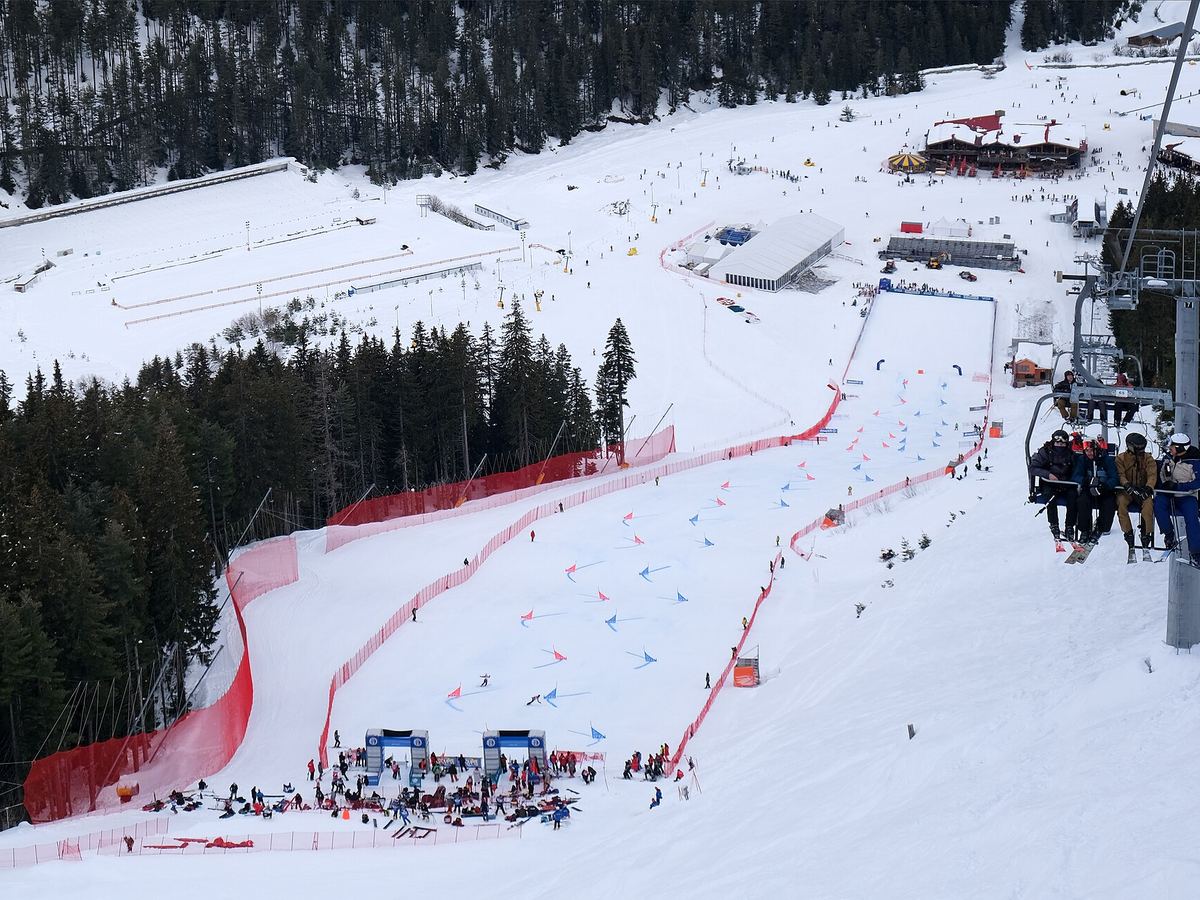
Bulgarian ski resorts run their own season insurance products bundled with lift passes; these typically cover on-piste accident medical handling but not full rescue, repatriation or third-party liability if you injure another skier. Combine the lift-pass insurance with either a real winter-sports travel policy or the PSS annual subscription. Off-piste skiers and ski-touring parties need the PSS cover at minimum.
Tier 4 of the Insurance Stack is the most-neglected layer for British expats. Most arrive with UK policies in place, never tell the insurer about the move, and discover at claim time that residency mattered.
Term-assurance and whole-of-life policies bought in the UK generally continue to pay out wherever the policyholder dies, including in Bulgaria. They almost always require you to notify the insurer of the move. Failure to notify is itself a grounds for refusal in some policy wordings. The notification is usually a short letter or web form. Do it before the move, keep the written confirmation.
Things that may change after notification:
Most UK income-protection policies are designed for UK PAYE employees and tighten significantly when the policyholder moves abroad. Several common patterns:
Write to the income-protection insurer before the move with your exact relocation plan. If the cover is lost or restricted, consider either a Bulgarian-domiciled income-protection product or, more commonly, building a 6-to-12-month liquid savings buffer as the de facto income protection.
UK critical-illness policies generally continue to cover overseas, but the policy will list the medical conditions and the diagnostic criteria. Bulgarian medical reporting may use different terminology or omit specific definitions the policy requires; budget for a UK second opinion if the diagnosis is borderline. Some UK insurers will only pay on a UK-consultant-confirmed diagnosis. Worth checking now, not at claim time.
Major Bulgarian insurers (Allianz Bulgaria, DZI, Bulstrad Life, Generali Bulgaria Life) issue term-life, accident and supplementary health products. They make sense for expats who:
The catch is policy language: Bulgarian life policies use Bulgarian wording for exclusions, beneficiary nomination and dispute routes. Use a broker who has handled British clients before, and keep a translated English copy alongside the Bulgarian master.
A Bulgarian bank financing a property may require mortgage-protection life and / or property insurance as a condition of the loan. These are usually sold by the bank itself, often through a tied insurer. The bank-required cover protects the lender, not necessarily the borrower's family. If the bank-required policy has a token death benefit just covering the loan balance, consider a separate term-life policy to cover the family's wider needs.
Three smaller categories that British expats often discover too late, after the bill arrives.
Pet insurance exists in Bulgaria but is less embedded than in the UK. The economics are different: routine veterinary treatment in Bulgaria is materially cheaper than in the UK (a typical vaccination, neutering, dental clean or x-ray costs a fraction of UK private rates). For most pet owners the maths works out as "self-insure routine care, save the premium for emergencies". The exceptions:
If you decide to self-insure, set up a dedicated pet emergency fund of 1,500-3,000 EUR per pet rather than relying on whatever happens to be in the current account. Cross-reference our Pets guide for the UK-to-Bulgaria pet import mechanics, Bulgarian vet practice patterns and the breed-specific rules that affect liability.
Brits working remotely from Bulgaria for UK or international clients often focus on tax and residence and forget liability cover. Depending on the work, the relevant lines are:
UK-issued professional indemnity may NOT cover work performed while resident abroad or work under contracts governed by foreign law. Write to the insurer before the move. Some UK PI insurers will continue to cover an overseas-resident sole trader serving UK clients under English law; others will not. Get the position in writing.
Cross-reference our Working in Bulgaria guide for the Five Tests of clean remote work and the Eight Red Flags of fake freelancing that govern whether your "consultant" arrangement is a real one or a disguised employment that the NRA will re-classify.
If you rent out a Bulgarian property (long-term to a local family, or short-term on Airbnb or Booking) standard owner-occupier home insurance almost certainly does not cover the activity. You need either:
If you have a swimming pool, hot tub or sauna at a short-term rental property, the public liability sum insured needs to be materially higher, and the insurer may require fencing, signage, depth markings and rescue equipment as policy conditions. Cross-reference our Renting guide from the tenant's side for what registered deposits and inventory practice look like in Bulgaria.
Bulgaria's insurance market is well-supervised, but it is also a market with active mis-selling at the cheap end and confusing English summaries at the broker end. The five-minute due-diligence check below catches most of the problems before money changes hands.
The Bulgarian Financial Supervision Commission (Komisia za Finansov Nadzor, FSC, fsc.bg/en) supervises insurers, reinsurers and insurance intermediaries (brokers and agents). The FSC maintains public registers of authorised entities. Anyone who sells insurance to you in Bulgaria should be on one of those registers, either as an insurer, a tied agent or a broker. A "broker" with no FSC entry is selling something that is not enforceable insurance.
A bilingual broker will produce a one-page English summary of the policy. This is a sales document. The Bulgarian schedule is the binding contract. The two often do not match (the English summary collapses several Bulgarian clauses into one sentence, or omits exclusions that the Bulgarian wording lists). For any non-trivial premium, ask the broker to walk through the Bulgarian schedule clause by clause, and keep the Bulgarian original on file. If the broker resists giving you the Bulgarian, walk away.
The major Bulgarian insurers and their typical strengths:
None of these is "the right one" for all expat needs; the right product for a Sofia apartment is unlikely to be from the same insurer as the right product for a Veliko Tarnovo village house. A broker quotes across the market for you.
Bulgarian insurance disputes are won and lost on paperwork. The British expat who keeps clean records and notifies promptly is in a different category from one who calls the broker three weeks after the event.
The Guarantee Fund (Garantsionen Fond) is the Bulgarian motor-insurance safety net. It pays victims of uninsured drivers and unidentified hit-and-run drivers, and operates the central motor-insurance information system. If the at-fault driver in an accident you suffer has no Civil Liability cover, this is the body to claim against. Time limits and documentation requirements apply; report the incident to the police on the day and to the Guarantee Fund within their stated window.
The questions British expats actually ask, with answers tied back to the relevant section.
For ordinary residents the big compulsory cover is motor third-party liability (Grazhdanska otgovornost) for any Bulgarian-registered vehicle. Health-insurance contributions to the National Health Insurance Fund are compulsory for anyone earning income legally in Bulgaria, channelled through payroll for employees and direct to the NRA for self-employed persons. Everything else (Casco, home, travel, mountain rescue, life) is optional but routinely sensible. → Section 2 (The Insurance Stack)
It depends on status. UK State Pensioners with a registered S1 are covered through NHIF at UK expense. British employees on Bulgarian payroll and Bulgarian-registered self-employed Brits contribute to NHIF directly. New post-Brexit movers on D-visas usually need a private medical policy for the residence pack, valid for the duration of the permit. GHIC is a tourist document and is not accepted for residence. → Section 3 (Health routes)
No. GHIC covers medically necessary state treatment during temporary stays. It is not residence-grade healthcare, does not cover private hospitals, does not cover repatriation or rescue, and is routinely refused as evidence on D-visa applications. Use it on holiday; replace it with proper cover for residence. → Section 3 (Health routes)
A residency-compliance policy is 60-200 EUR a year for a younger applicant with modest cover. A meaningful private medical plan that actually pays serious claims at a top private hospital is 300-1,200 EUR a year for a healthy adult, more for older applicants or those with declared conditions. The cheapest and the useful are usually not the same product. → Section 4 (Residency medical)
It is Bulgarian compulsory motor third-party liability. It pays for damage you cause to other road users, not damage to your own car. The closest UK equivalent is mandatory third-party motor insurance, not fully comprehensive cover. To insure your own car you separately buy Casco, which is optional. → Section 5 (Civil Liability)
Civil Liability normally provides minimum third-party cover across the EU/EEA and the wider Green Card system (including UK, Serbia, North Macedonia, Turkey and most non-EU European countries). Ask your insurer for a Green Card document, confirm transit countries are also covered, and remember Casco usually needs a separate territorial extension. → Section 6 (Casco and the Green Card)
Not for owner-occupiers who own outright. A bank financing the property will normally require it as a mortgage condition. Even when not required, it is one of the highest-value protective spends for British expats, especially for village houses, where the standard policy is wrong by default. → Section 8 (Home insurance)
Not automatically. Earthquake (zemetresenie) is commonly an optional add-on. Same logic applies to flood, landslide and storm. Read the Bulgarian peril list; the English summary is misleading. → Section 8 (Home insurance)
Yes, but you need either an unoccupied-property endorsement or a specialist second-home policy. Standard buildings cover tightens or voids beyond 30-60 days of vacancy. Declare the real occupancy pattern from day one; ticking "permanently occupied" when it isn't is the single biggest reason village-house claims get refused. → Section 9 (Vacant Village House Paradox)
Yes, for trips outside Bulgaria. S1 gives Bulgarian NHIF healthcare; it does not give global cover. For UK visits, EU holidays or further-afield travel you still need travel insurance with medical, repatriation and cancellation, written to accept Bulgarian residence. → Section 10 (Travel and mountain rescue)
Yes: the Bulgarian Mountain Rescue Service (PSS, pss.bg) sells an annual mountain-insurance subscription for 20-40 EUR that covers rescue, search and evacuation in Bulgarian mountains. Some travel insurance policies include mountain rescue but usually exclude off-piste skiing, technical climbing or helicopter evacuation. For skiers and hikers the PSS subscription is the highest-leverage insurance buy in the guide. → Section 10 (Travel and mountain rescue)
Probably yes for life cover (notify the insurer, keep the confirmation), often no or restricted for income protection (UK income protection is designed for UK PAYE and tightens significantly on overseas residence). Write to the insurer before the move; get the answer in writing; consider Bulgarian-domiciled products or a savings buffer if UK cover is voided. → Section 11 (Life and income)