
A Bulgarian summer is not a British summer with better tomatoes. The grass is full of ticks, the stone walls have things living in them, and the snake under the woodpile may be the real thing. None of it should stop you enjoying the countryside, but a little knowledge turns dread into routine. This is the summer sibling to our winter survival guide.
In any emergency in Bulgaria, call 112. Snakebite, a severe allergic reaction, breathing difficulty or collapse do not wait for a GP appointment.
Bulgaria is not Australia. Most wildlife is not trying to kill you, and the dramatic risks are the least likely. Here is the honest risk-ranking, sorted by how often you will actually meet each one around Shumen.
| Risk | How likely around Shumen | The one-line stance |
|---|---|---|
| Ticks & Lyme disease | High, every grass or forest walk | Daily checks, prompt removal, watch for the rash |
| Wasps, hornets, bee stings | High in summer | Respect nests; carry your auto-injector if you are allergic |
| Nose-horned viper (Vipera ammodytes) | Real but uncommon | Do not handle, call 112 if bitten, go to hospital |
| Scorpions in old houses | Localised but real | Shake boots, seal cracks, treat a sting like a bad wasp sting |
| Wild boar | Real near forest and crop edges | Give space, control dogs, slow down at dusk |
| Jackals | Often heard at night | Low risk to you, secure poultry and small pets |
| Bears & wolves | Not a Shumen-town hazard | Etiquette for mountain trips, not your garden |
| Asian hornet (Vespa velutina) | Watchlist, not confirmed established in Bulgaria | Do not overstate; your big hornet is probably native |
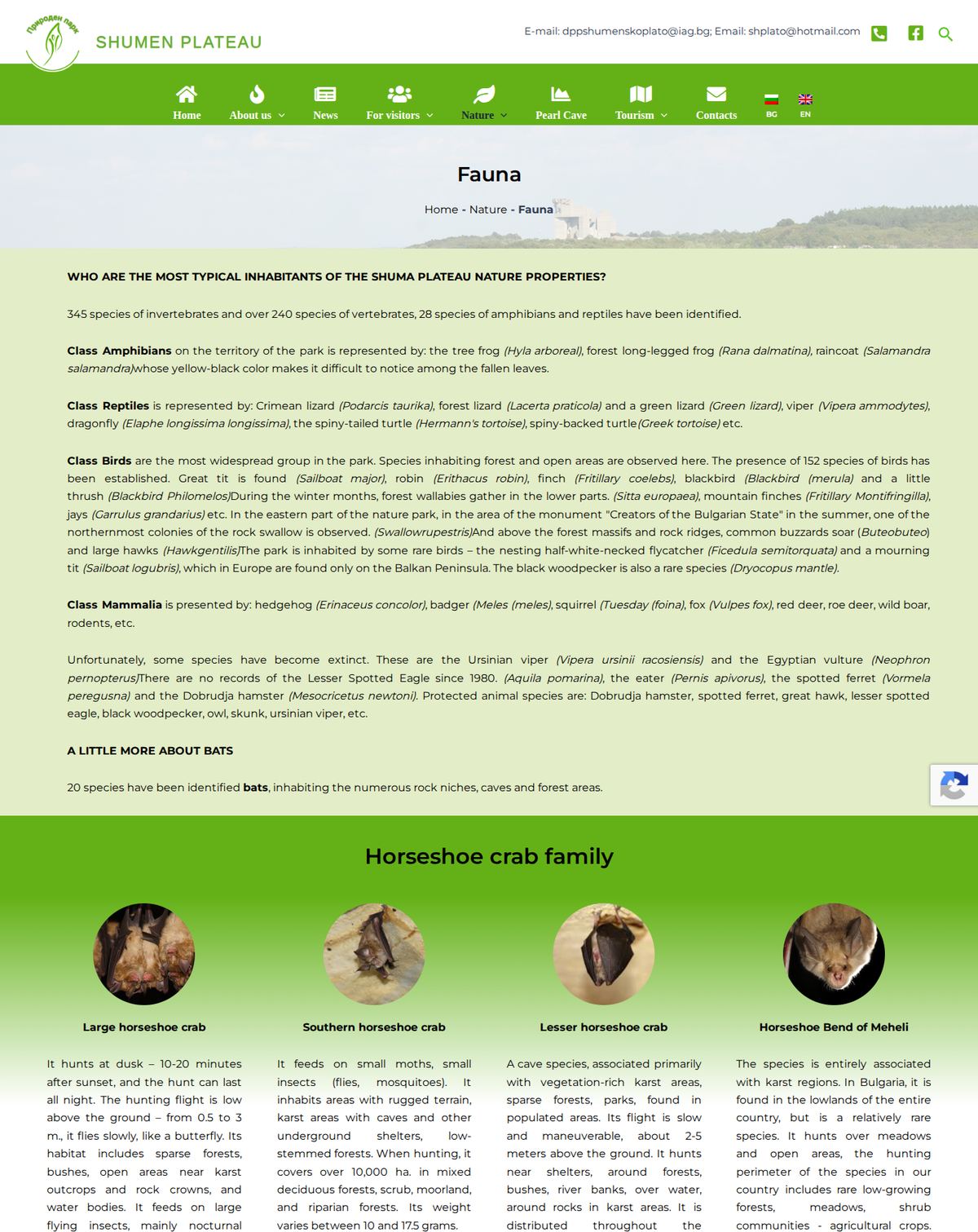
You can be confidently specific about the Shumen region because the Shumen Plateau Nature Park publishes its fauna. It is a karst limestone landscape of forest, rock crowns, caves, and grass-and-scrub edges, exactly the habitat mix where the practical hazards cluster.
The plateau's own records identify over 240 vertebrate species and 345 invertebrate species, including 28 amphibian and reptile species. Crucially for this guide, the reptile list includes Vipera ammodytes, the nose-horned viper, and the mammal list includes wild boar, alongside fox, roe deer, red deer, badger, hedgehog and small predators, plus around 20 bat species. What the list does not include is bear or wolf: those are mountain animals, not plateau animals.
So the local hazards cluster predictably:
Almost everything in this guide is handled by a handful of cheap items kept where you actually need them: by the back door, in the car, in the garden shed. Assemble this once at the start of the season and most summer hazards become a non-event.
If snakes are the fear, ticks are the reality. They are the most likely serious wildlife hazard for British residents around Shumen, by a wide margin, because exposure is so routine: every walk in long grass, every gardening session, every dog that runs through the meadow.
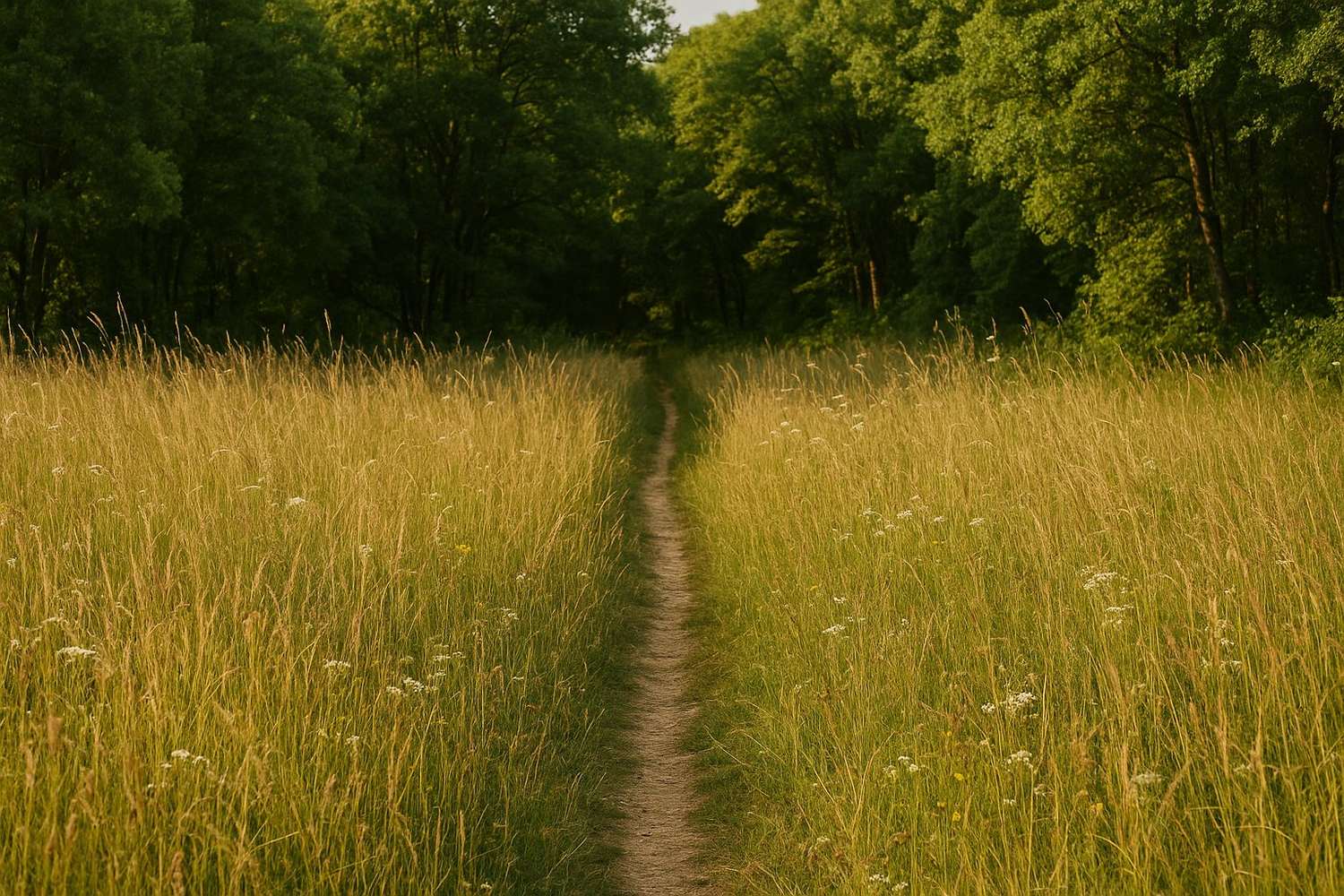
Ticks are small arachnids that wait on the tips of grass and low vegetation and climb onto a host that brushes past. They attach, feed over hours to days, and can transmit infection while attached. The European Centre for Disease Prevention and Control (ECDC) identifies Lyme borreliosis as the most prevalent tick-transmitted infection in temperate Europe, and Bulgarian regional health notices repeatedly list Lyme borreliosis among the country's tick-borne concerns (alongside Marseille fever, Crimean-Congo haemorrhagic fever and Q fever).
The CDC's guidance is simple and is the method to use. The goal is to remove the whole tick promptly without squeezing its body or leaving mouthparts behind.
Prompt removal substantially lowers infection risk; a tick found and removed the same day is much lower risk than one attached for two days. Finding a tick is not an emergency and is not a reason for antibiotics by itself. It is a reason to remove it correctly, note the date, and watch the spot. The thing that warrants a doctor is symptoms (next section), not the bite alone.
Two tick-borne illnesses are worth understanding: Lyme disease, which is the main, well-documented risk in Bulgaria, and tick-borne encephalitis (TBE), which is a wider European concern with less Bulgaria-specific clarity. The honest distinction matters, because it changes what you do.
Lyme is a bacterial infection transmitted by infected ticks. According to the ECDC, the characteristic expanding rash can appear after a delay of 3 to 30 days, and untreated infection can spread to the joints, heart and nervous system. Caught early, it is very treatable with antibiotics; the whole point of the date-and-location note is to catch it early.
See a doctor promptly if, in the weeks after a tick bite (or even without a remembered bite, if you have been in tick country), you notice:
TBE is a separate, viral, tick-borne disease, and unlike Lyme it is vaccine-preventable. The honest position for Bulgaria: the CDC's Yellow Book states that Bulgaria's TBE situation is unclear because limited information is available, so it is far less certain than the well-mapped TBE zones of Austria, Slovenia or the Baltics. We are not going to tell you the Shumen Plateau is a high-TBE zone, because the data does not support that claim.
Most tick bites need watchfulness, not emergency care. But call 112 or seek urgent help for: a severe allergic reaction, high fever with confusion, a stiff neck, sudden weakness or facial droop, or any rapidly worsening neurological symptoms after a bite. These are rare, but they do not wait for a GP appointment.
Bulgaria has many snakes and most are harmless and ecologically valuable. The mistake British expats make is treating every snake as a threat, or worse, trying to catch or kill one. The single rule that keeps you safe is the opposite of heroics: leave it alone and let it leave.
Most Bulgarian snakes are non-venomous grass snakes, dice snakes and similar species that eat rodents and frogs and want nothing to do with you. Killing them is both pointless and, for protected species, illegal, and it removes free pest control from your garden. The one snake that genuinely warrants caution is the nose-horned viper, covered in detail in the next section.
It is tempting to get close enough to "check if it's a viper". Do not. Amateur identification puts your face and hands near the one thing you want to avoid, and it changes nothing about the right response, which is to give the snake room regardless. If you are bitten and did not get a clear, safe look, treat the bite as potentially venomous and let the hospital make the call. Distance is the strategy, not identification.
Snakes follow food. A garden with a rodent problem is a garden that attracts snakes, so the rodent-proofing in Section 13 (sealed food storage, tidy woodpiles, cleared debris) quietly reduces snake encounters too. The neat, mouse-free garden is also the low-snake garden.
The nose-horned viper (Vipera ammodytes, Bulgarian: пепелянка) is the one snake on the Shumen Plateau that demands respect. It is widely described in clinical literature as the most medically significant venomous snake in Europe. Bites are uncommon and rarely fatal with prompt care, but they are a genuine medical emergency.
The viper favours warm, rocky, sun-exposed, scrubby habitat: karst ridges, dry-stone walls, woodpiles, ruins, barns and the edges of paths. It is not aggressive and does not chase; bites overwhelmingly happen when a snake is trodden on, grabbed, or cornered. It is short, thick-bodied, and (as the name suggests) often shows a small soft "horn" on the snout and a dark zig-zag dorsal pattern, though colour varies. But as Section 6 said: do not get close enough to confirm any of that.
Do, immediately:
Do NOT, ever: cut the wound, suck out venom, apply a tourniquet, pack it in ice, drink alcohol, run or walk fast if avoidable, or try to catch, kill or carry the snake. Never attempt to inject anti-venom yourself.
Bulgaria produces a domestic snake-venom antiserum (made by Bul Bio, based on Vipera ammodytes immunoglobulin fragments). The vital thing to understand is that anti-venom is a hospital and 112 decision, not a pharmacy errand. Do not waste precious time driving between pharmacies looking for serum, and do not try to source or administer it yourself; it carries its own risks and is given under medical supervision for a reason. Call 112, describe the bite, and let the emergency system route the patient to the right facility and the right clinical judgement on whether anti-venom is needed.
Yes, Bulgaria has scorpions, and yes, they turn up in old stone village houses. No, they are not the desert monsters of the nightmares. The species found here are small European scorpions whose sting is painful but, for most healthy adults, closer to a bad wasp sting than a medical catastrophe.
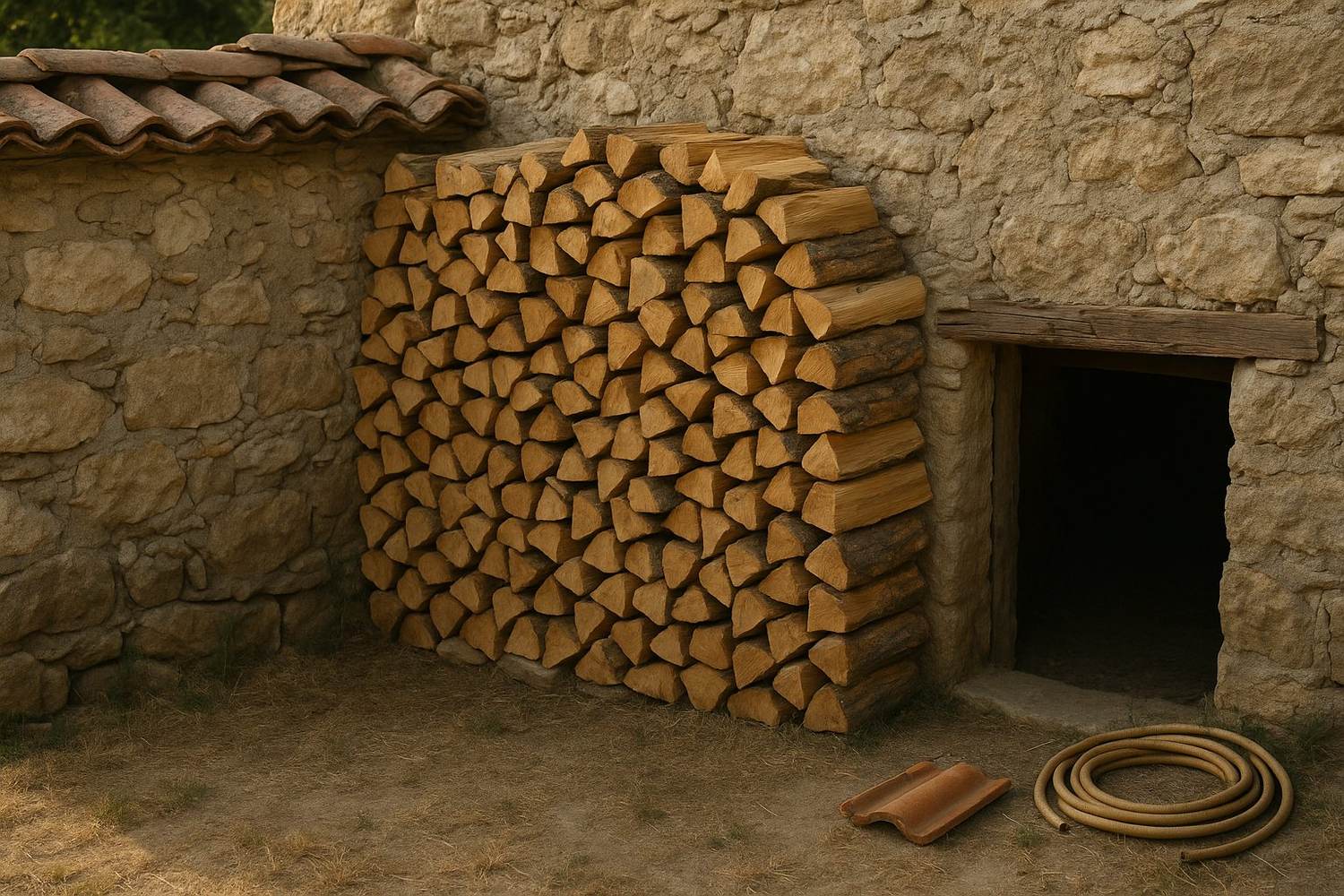
Bulgaria's scorpions are mostly small Euscorpius-type species documented in academic checklists of the country's fauna. They shelter in exactly the places an old village house provides in abundance:
For an uncomplicated sting in a healthy adult: wash with soap and water, apply a cool compress, take ordinary pain relief if safe for the person, and consider an antihistamine for local itching and swelling if normally tolerated. Then watch for anything beyond local pain.
For any of these, call 112. A simple painful sting is not an emergency; a systemic reaction is.
Wasps and hornets are common in a Bulgarian summer, and big hornets look genuinely alarming. The British press has filled people's heads with the invasive Asian hornet, so expats often misidentify a perfectly ordinary native hornet as the dreaded invader. Let us separate the real from the imagined.
Bulgarian: стършел. Large, loud, and intimidating, but generally not aggressive unless defending its nest. This is the big hornet you are most likely to meet. Respect the nest and it will largely ignore you. Do not swat at one near a nest, do not block a nest entrance yourself, and avoid fruit trees, bins and compost at dusk when they forage. If a nest is in your roof, eaves or living space, use pest control or ask the municipality or fire service about local practice rather than tackling it yourself.
This warm-climate hornet occurs in Bulgaria and is often the "exotic-looking" reddish hornet that expats mistake for the Asian invader. It is established here and is part of the native-region fauna.
This is the invasive species filling UK headlines. The important, calming fact: as of this guide's research date, EPPO's distribution data does not list Bulgaria for Vespa velutina, even though it is established across France, Spain, Italy, Belgium, Germany, Austria, Hungary, Slovakia and others. It is a genuine beekeeping and biodiversity threat where established, and it is a watchlist species worth being aware of, but it is not, on current data, a confirmed everyday Bulgarian household pest.
For bees, wasps, hornets and scorpions alike, call 112 immediately for: breathing difficulty, swelling of the tongue, lips or throat, fainting or collapse, widespread hives, wheezing, repeated vomiting, or any known history of anaphylaxis. If you carry a prescribed adrenaline auto-injector, keep it on you during summer walks and garden work, use it at the first sign of a severe reaction, and make sure your family knows where it is and how to use it.
The large animals you will actually encounter around Shumen are not bears. They are wild boar at the forest edge and jackals in the dark, plus foxes and badgers going about their business. None of them is hunting you, but a few sensible habits keep encounters uneventful.
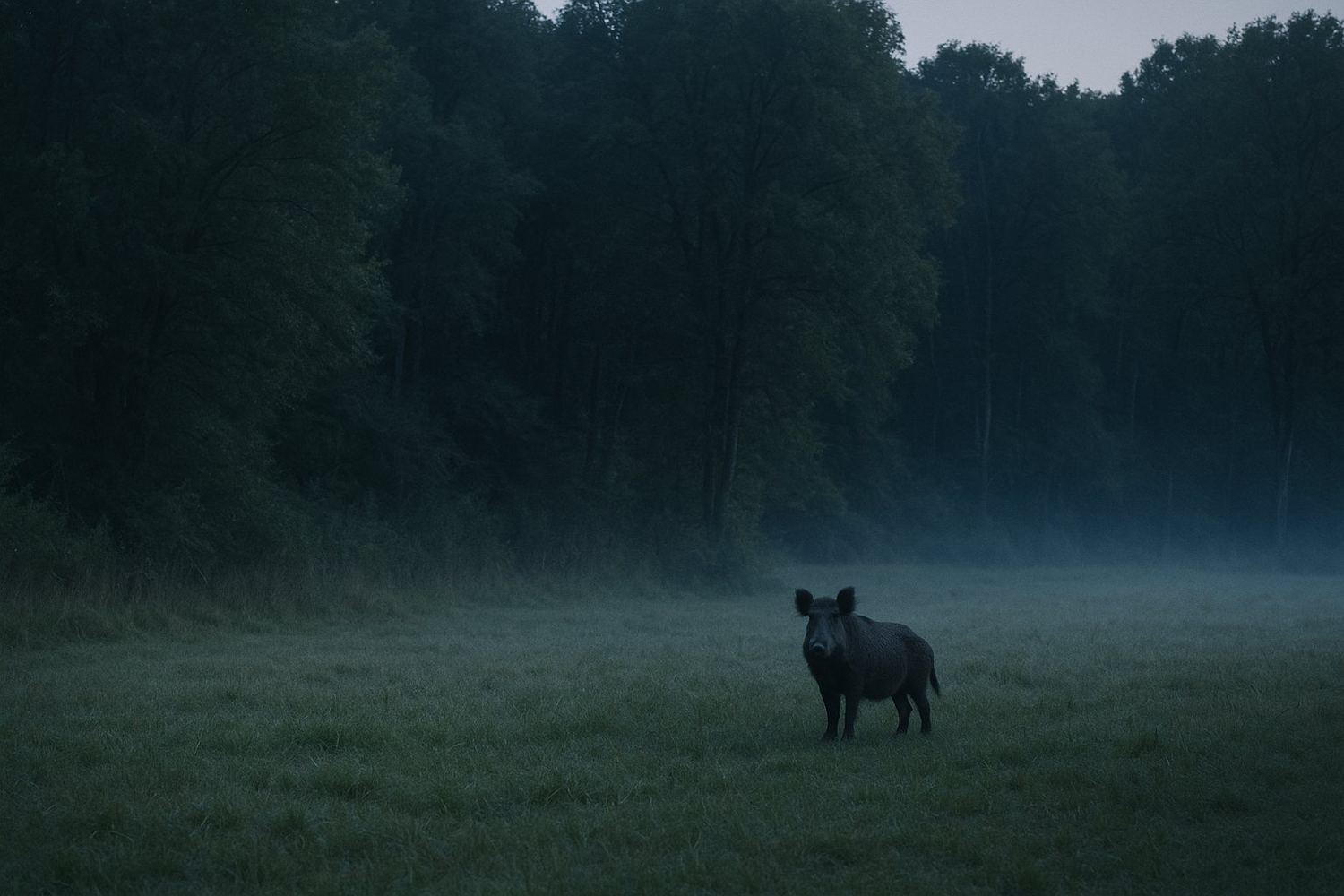
Wild boar are on the Shumen Plateau fauna list and are the large mammal you are most likely to meet or nearly meet. The realistic risk is rarely a charging boar; it is more often a collision on a dark road, or a tense moment when a dog flushes one or someone gets between a sow and her piglets.
Golden jackals are widespread in Bulgaria and you will probably hear their eerie night chorus around villages and farmland long before you see one. They are low risk to adults but will take poultry, lambs, kids and very small pets.
Normal rural neighbours, not a threat. Do not feed them, secure bins and poultry, and keep pet vaccinations up to date as your vet advises. Rabies risk in Bulgaria is low but, as with any wild mammal, treat any unusually bold or visibly sick animal with caution and report it rather than approaching.
Bulgaria has brown bears and wolves, and that fact alarms new arrivals out of all proportion. The honest truth: you will not meet a bear on the Shumen Plateau. Bear and wolf etiquette matters when you travel to the mountains to hike, not when you put the bins out.
Bulgaria's brown bears and wolves live in the mountain regions: Rila, Pirin, the Rhodopes, the Central Balkan and remoter forests. The Shumen Plateau fauna list does not include either; the large animals here are boar, deer and fox. So this section is travel-and-hiking etiquette for when you leave Shumen for the high country, which many British residents do, rather than a local hazard warning.
The brown bear is strictly protected in Bulgaria, and the Ministry of Environment and Water works on conflict reduction (electric fences for apiaries, managing food waste that habituates bears). Bears want to avoid you; almost all problems come from surprise or from food. The Balkani Wildlife Society's advice for hikers:
Wolves are part of Bulgaria's large-carnivore fauna but are shy and rarely seen by ordinary hikers. Do not approach one, keep dogs controlled, and do not leave livestock or pets unsecured at night in remote areas. If a wolf appears unusually bold near a settlement, report it to local authorities, forestry or a vet. Do not over-dramatise wolves: in Europe almost all wolf conflict is about livestock and dogs, not hikers, and a wolf hunting a person is the stuff of fairy tales, not Bulgarian reality.
Here is a point that deserves its own section, because it underlies half of this guide: a loose dog turns a quiet wildlife encounter into a problem. Most of the worst outcomes British expats have with Bulgarian wildlife involve a dog that was off the lead.
An uncontrolled dog will flush a wild boar into a panic, chase a snake and get bitten on the face, provoke a flock's livestock-guardian dogs into a serious fight, disturb nesting birds and tortoises, and bring a coat full of ticks back into your home. Controlling your dog is the single biggest thing you can do to keep both the dog and the wildlife safe.
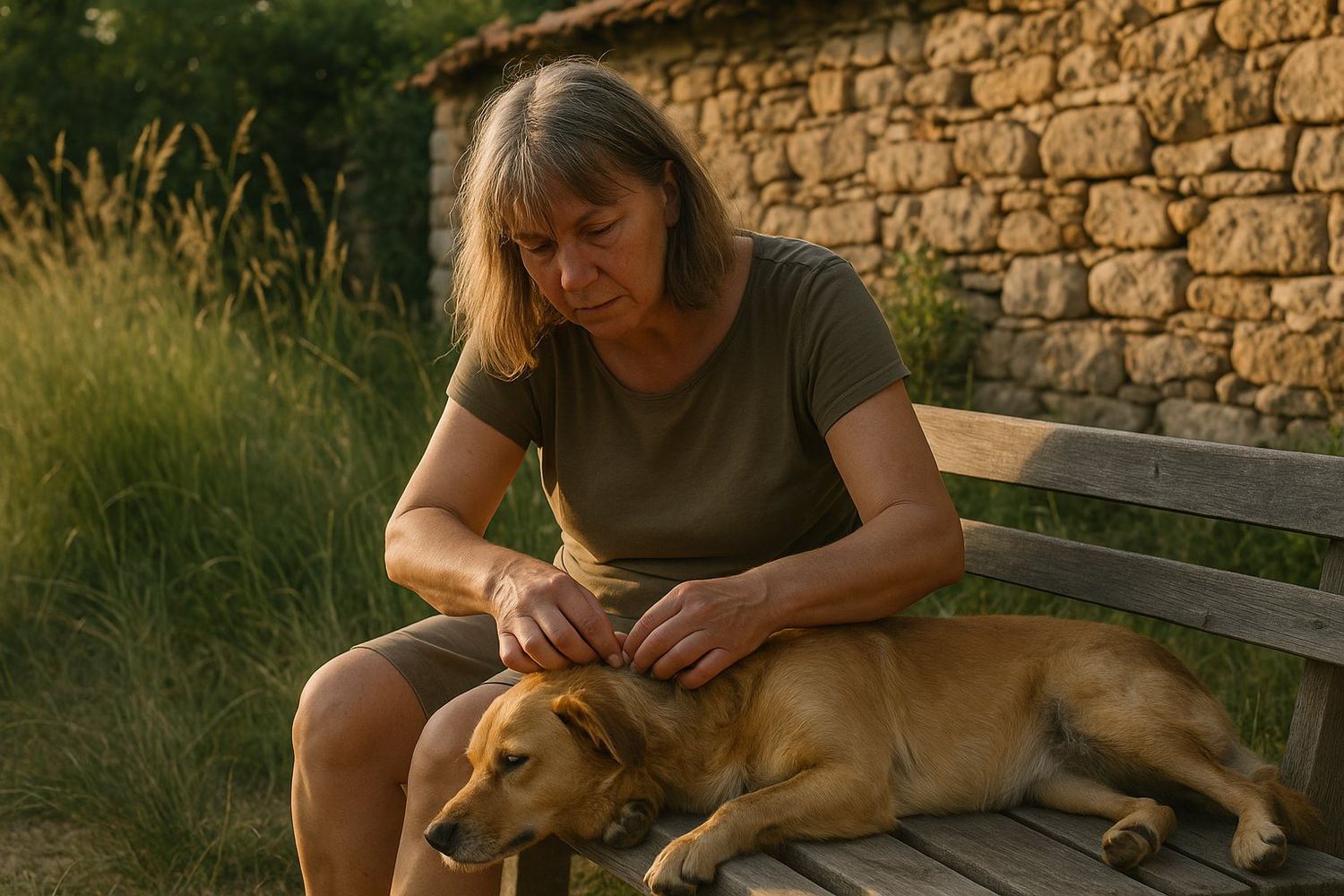
Dogs are bitten more often than people because they investigate with their faces in exactly the places vipers shelter. After a yelp near long grass, a wall or a woodpile, watch for: sudden swelling (often the face or a leg), pain, drooling, weakness or collapse, vomiting, bleeding, or rapid deterioration. Call your vet immediately, keep the dog as still and calm as possible, and get it to the clinic. Do not apply tourniquets or folk remedies to a dog any more than to a person.
Cats and small pets are mostly at risk at night from jackals and, occasionally, from a scorpion or snake they corner. Bringing small animals in at night in active-wildlife areas, and not leaving pet food outside, removes most of that risk.
Most of this guide comes down to a handful of household and garden habits. Do these and you remove the conditions that bring snakes, scorpions, rodents and stinging insects into close contact in the first place, without poisoning the protected and useful animals that share a Bulgarian village.
In a real emergency, call 112; operators can often find an English-speaker, but a few key Bulgarian words help you be understood instantly when seconds and clarity matter. Learn the snakebite and emergency words especially.
Помощ!
Pomosht!
"Help!"
Спешна помощ / Спешен случай
Speshna pomosht / Speshen sluchay
"Emergency / urgent case". The number is 112.
Ухапване от змия
Uhapvane ot zmiya
"Snakebite". The single most important phrase in this guide.
Пепелянка
Pepelyanka
"Nose-horned viper". Say this if you believe that is what bit.
Противозмийски серум
Protivozmiyski serum
"Anti-snake serum / anti-venom".
Спешно отделение
Speshno otdelenie
"Emergency department".
Алергична реакция
Alergichna reaktsiya
"Allergic reaction".
Не мога да диша
Ne moga da disha
"I / he / she cannot breathe".
Ухапан от оса / стършел
Uhapan ot osa / starshel
"Stung by a wasp / hornet".
Кърлеж
Karlezh
"Tick".
Дива свиня
Diva svinya
"Wild boar".
For the full 1,100-entry Bulgarian phrasebook (shops, banks, doctors, paperwork and more), see our Bulgarian Phrasebook.
The questions Shumen.UK readers ask most about Bulgarian wildlife and summer pests, answered with anchors back to the main text.
Yes, but they are uncommon and most snakes you meet are harmless. The Shumen Plateau Nature Park's own fauna list includes Vipera ammodytes, the nose-horned viper (Bulgarian: пепелянка), which is widely described as the most medically significant venomous snake in Europe. It favours warm, rocky, scrubby, sun-exposed edges: stone walls, woodpiles, ruins, paths and barns. The safe rule is simple: do not handle, corner or try to identify any snake you cannot positively recognise as harmless. Give it room and it will almost always leave. → Sections 6 & 7
Call 112 immediately. Keep the person still and calm; movement spreads venom. Remove rings, watch, bracelets and tight clothing before swelling starts, and keep the bitten limb immobilised and roughly level. Get to emergency care; in Shumen that is MBAL Shumen on ul. Vasil Aprilov 63, routed via 112. Do NOT cut the wound, suck out venom, apply a tourniquet, pack it with ice, drink alcohol, or try to catch or kill the snake. Let the hospital decide on anti-venom. → Section 7
Yes. Bulgaria produces a domestic snake-venom antiserum (Bul Bio), based on Vipera ammodytes immunoglobulin fragments. The thing to understand in an emergency is that anti-venom is a hospital and 112 question, not something you solve by driving around pharmacies. Do not waste time hunting for serum yourself. Call 112, say ухапване от змия (snakebite) and пепелянка if you believe it was a horned viper, and let the emergency system route you to the right facility and clinical decision. → Section 7
Yes. Ticks are the single most likely serious wildlife hazard for British residents around Shumen, far more probable than a snakebite. The plateau's grass and forest-edge habitats are prime tick territory from spring through autumn. Lyme borreliosis is transmitted by infected ticks and is the most prevalent tick-borne infection in temperate Europe. The defence is routine: cover up and use repellent in long grass, check your body and your dog after every walk (groin, armpits, waistband, behind knees, scalp), and remove any attached tick promptly with fine-tipped tweezers, pulling steadily upward without twisting or burning. → Section 4
Lyme disease (Lyme borreliosis) is documented in Bulgaria and is the main named tick-borne risk to plan around. The rash can appear 3 to 30 days after a bite, and untreated infection can spread to joints, heart and nervous system, so watch for an expanding rash, fever or flu-like symptoms after a bite and see a doctor promptly. Tick-borne encephalitis (TBE) is a separate, vaccine-preventable virus; the CDC notes Bulgaria's TBE picture is unclear due to limited data, so it is less certain than in Austria or the Baltics. If you spend heavy time in forests, camping, hunting or mushroom-picking, ask a GP or travel clinic whether TBE vaccination makes sense for you. → Section 5
Bulgaria does have scorpions, mostly small European Euscorpius-type species that shelter in old stone houses, walls, cellars, summer kitchens, barns, woodpiles and under tiles and pots. A sting is genuinely painful but is usually compared medically to a bad bee or wasp sting rather than a desert-scorpion emergency. Treat an ordinary sting with soap and water, a cool compress and ordinary pain relief, and watch for systemic symptoms. Seek urgent help if a child is stung, the sting is on the face or neck, there are breathing or heart symptoms, severe spreading swelling, or any known allergy. Prevention is mostly habit: shake out boots, do not leave clothes on cellar floors, wear gloves moving logs and stones, and seal cracks. → Section 8
As of this guide's research date (May 2026), EPPO's distribution data does not list Bulgaria for the Asian hornet (Vespa velutina), although it is established across much of western and central Europe and is a watchlist species. A big, intimidating hornet you meet in Bulgaria is far more likely to be the native European hornet (Vespa crabro, Bulgarian: стършел) or the established Oriental hornet (Vespa orientalis) than the invasive Asian hornet people read about in UK news. If you keep bees and see a dark hornet with yellow legs hawking honeybees at the hive, photograph it from a distance and ask Bulgarian beekeeping or local-ecology groups before acting. → Section 9
Very unlikely around Shumen itself. The Shumen Plateau fauna list features wild boar, fox, deer, roe deer and badger, not bear or wolf. Brown bears and wolves live in Bulgaria's mountain regions: Rila, Pirin, the Rhodopes, the Central Balkan and remoter forests. Bear etiquette matters when you travel to those areas to hike, not in your Shumen garden: use marked routes, make noise in wild sections so you do not surprise a bear, never run, keep food out of tents, and never feed wildlife or leave food waste that habituates animals. The realistic local large-animal hazards are wild boar at dusk and jackals near livestock, not big carnivores. → Section 11
Wild boar are the large animal you are most likely to meet locally, usually as a road-collision risk at dusk and dawn near forest and crop margins, or when a loose dog flushes one or someone gets between a sow and her piglets. Give boar space, never corner one, keep dogs on a lead in wooded edges and drive slowly near treelines after dark. Golden jackals are widespread and often heard at night; they are low risk to adults but will take poultry, lambs and very small pets, so secure animals at night and never feed them. Report any wild mammal showing abnormal daytime boldness to a local vet or the municipality. → Section 10
A loose dog turns a quiet wildlife encounter into a problem: dogs flush wild boar, chase snakes and get bitten, provoke livestock-guardian dogs and bring ticks home. Keep your dog on a lead in wooded or rocky edge habitat, use year-round veterinary tick prevention, and check the coat after every walk. Learn the signs of snakebite in dogs: sudden swelling, pain, drooling, weakness, collapse, vomiting or bleeding, often after a yelp in long grass or near a wall. If you suspect a snakebite, call your vet immediately and keep the dog as still as possible on the way. Keep dogs away from carcasses and unknown dead animals. → Section 12
Bulgaria is not Australia: most wildlife is not trying to hurt you, and the real summer risk profile is mundane, not dramatic. The single most useful rule is that 112 is the emergency number, and a few situations are genuine emergencies that must not wait for a GP appointment: snakebite, a severe allergic reaction with breathing difficulty or collapse, spreading swelling, or worrying neurological symptoms after a tick bite. Everything else is prevention and habit: cover up and check for ticks, respect nests, shake out boots, give snakes and boar room, and keep dogs controlled. Do those and a Bulgarian summer is no more dangerous than it is beautiful. → Section 1
A Bulgarian summer rewards a little knowledge and punishes panic in roughly equal measure. The wildlife that frightens British newcomers (vipers, bears, scorpions) is the wildlife you are least likely to have trouble with, because trouble comes from handling, cornering or surprising an animal, and all three are avoidable. The hazard you will actually meet, over and over, is the one nobody dreads: the tick in the long grass.
Six habits carry you through:
Do those, keep the protected allies (bats, hedgehogs, harmless snakes) alive and working for you, and the Bulgarian countryside is exactly what you moved here for: beautiful, alive, and entirely liveable.
Related guides: Winter Survival (the seasonal sibling) · Health & the NHIF · Pharmacies & first-aid supplies · Buying a Village House · Animal Welfare in Bulgaria · Pets · Car Ownership · Bulgarian Phrasebook · All guides.