
A practical introduction to Bulgaria's five wine regions, its indigenous grapes and how to taste your way around the country without resorting to supermarket cabernet.
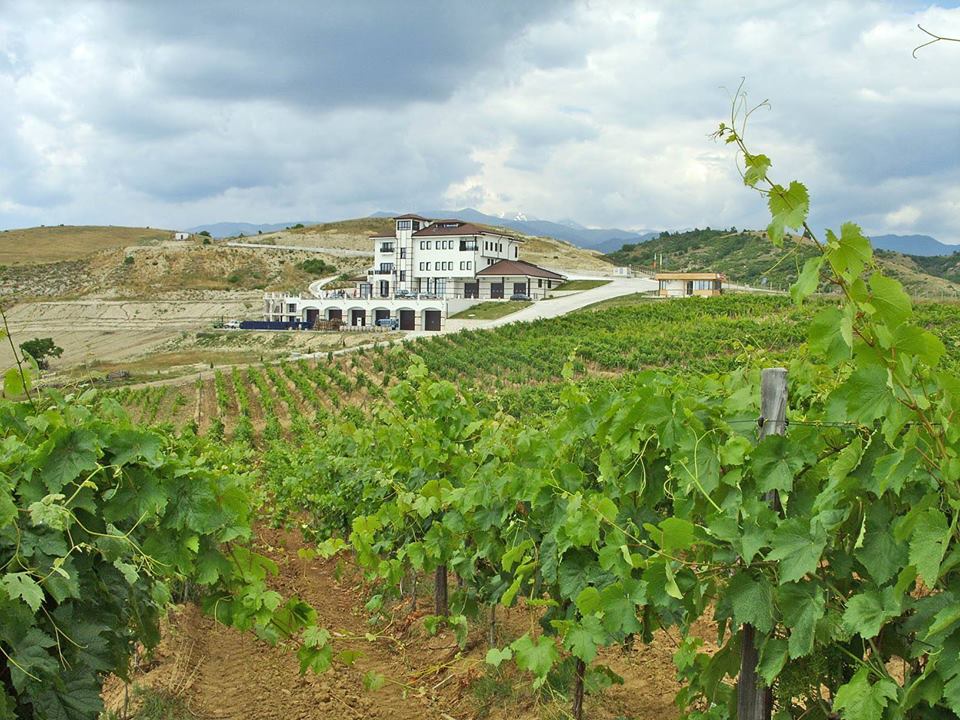
If your only exposure to Bulgarian wine is a £6 Cabernet from the bottom shelf at Tesco, you are missing the entire point.
Bulgaria has been making wine since the time of the Thracians, with evidence of viticulture going back to 4000 BC. That deep history matters because it has left the country with a roster of indigenous grapes you will find nowhere else, grown in conditions that range from Mediterranean to properly continental.
For British expats settling in, or those still weighing up a move, wine is one of the genuine soft pleasures of Bulgarian life. It is cheap by UK standards, the quality at the mid-tier has climbed sharply over the past two decades, and the wineries themselves are usually small, family-run operations where you can actually talk to the person who made the bottle. None of which you get queueing at a Waitrose tasting evening.
The country was carved up into five viticultural regions by a government decree of 13 July 1960, and although the post-communist wine industry has reorganised itself considerably since, those five regions still make a sensible map for getting your bearings. Each has a distinct climate, a signature grape or two, and a different relationship to international varieties like Merlot, Cabernet Sauvignon and Chardonnay. Understanding the basic geography saves you from buying blind, and makes weekend trips out of the cost-of-living calculation rather a lot more pleasant.
Here are the five official regions and what each is known for.
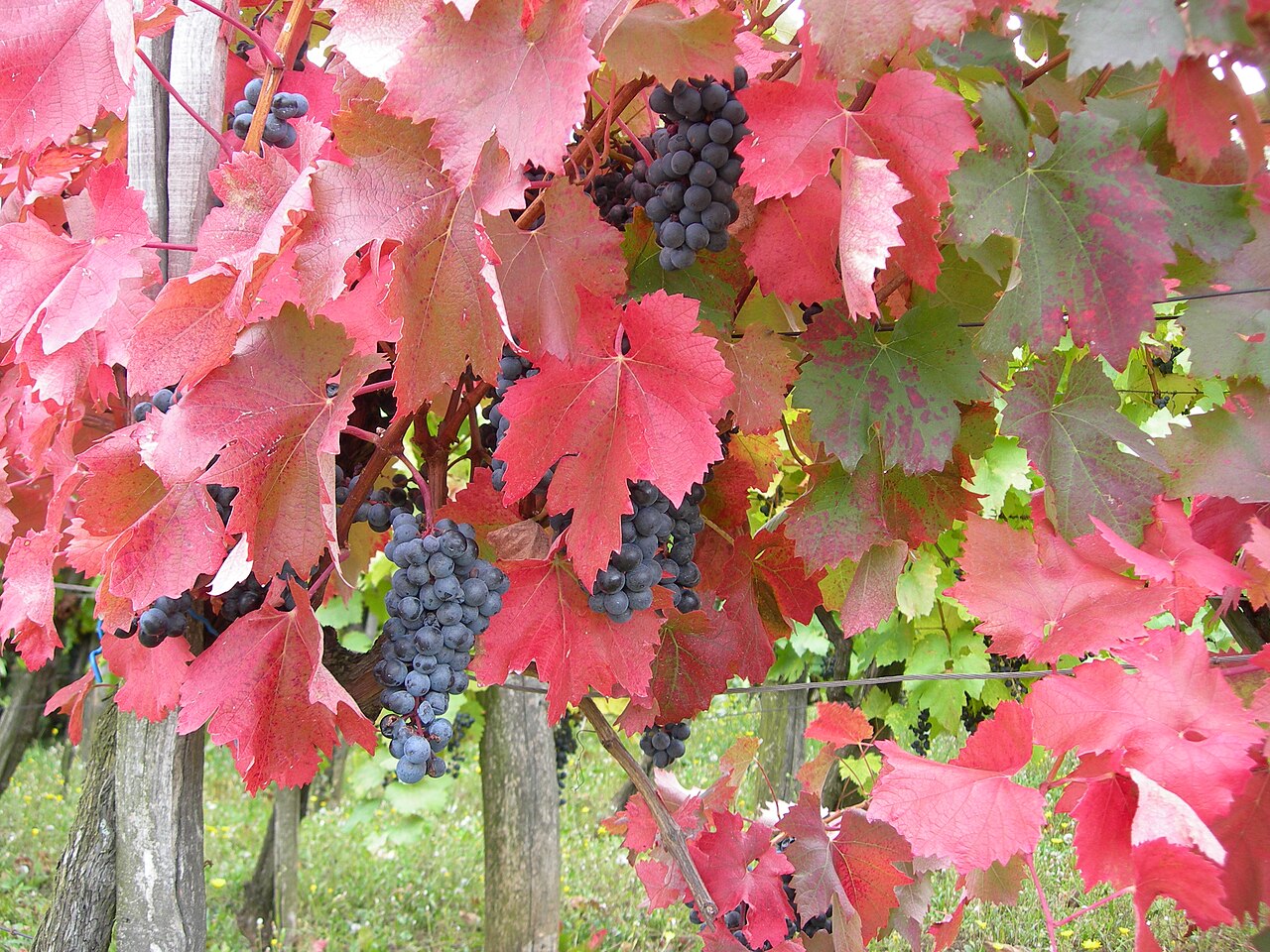
Danubian Plain (North Bulgarian). The south banks of the Danube and the central and western Danubian Plain. Temperate continental climate with hot summers. This is Gamza country, the local name for Kadarka, a dark-skinned red that was historically dominant in the northwest. You will also find Muscat Ottonel, Cabernet Sauvignon, Merlot, Chardonnay, Aligoté and the workmanlike Pamid here.
Black Sea (East Bulgarian). Around 30% of all Bulgarian vines sit in this region. Long mild autumns help the grapes accumulate sugar slowly, which is why 53% of all white wine varietals are concentrated here. Expect Dimyat, Riesling, Muscat Ottonel, Ugni Blanc, Sauvignon Blanc, Traminer and Gewürztraminer. This is the region closest to Shumen, and the city itself sits within one of the historic Dimyat zones.
Rose Valley (Sub-Balkan). South of the Balkan Mountains, split into eastern and western subregions. Muscatel, Riesling, Rkatsiteli, Cabernet Sauvignon and Merlot dominate, with the Sungurlare Valley famous for its Red Misket. Mostly dry and off-dry whites with less red.
Thracian Lowland (South Bulgarian). The Upper Thracian Plain, sheltered by the Balkan Mountains from cold northern winds and warmed by Mediterranean influence from the Maritsa valley. This is the heartland of Mavrud, plus Merlot, Cabernet Sauvignon, Muscatel and Pamid. Plovdiv is the practical capital of this region.
Struma River Valley (Southwest Bulgarian). Small, climatically distinct, strongly Mediterranean. Home to Shiroka Melnishka, the broad-leaved Melnik vine, plus Cabernet Sauvignon and Merlot. The town of Melnik itself is the showpiece.
International varieties are everywhere. The reason to drink Bulgarian rather than just generic Old World is the native grapes.
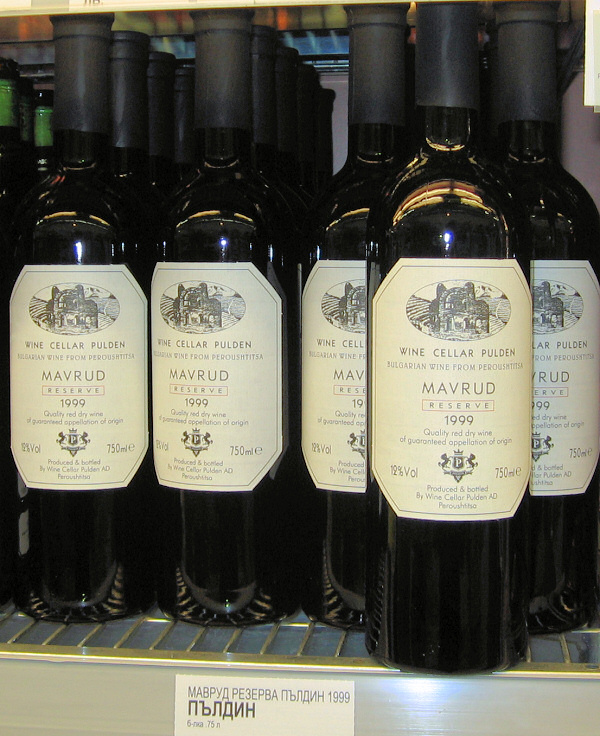
Mavrud. The name comes from the Greek for 'black'. A characterful, low-yielding, small-berried, late-ripening grape that produces tannic, spicy reds with proper ageing potential. Vineyards cluster around Asenovgrad and Perushtitsa in Thrace, with smaller plantings near Pazardzhik, Stara Zagora and Chirpan. There is even a folk legend involving Khan Krum, a lion (or a lamya, depending on the version), and a brave young man called Mavrud whose mother's secretly preserved vine gave him his courage. Treat the legend as flavour rather than history, but do treat the wine seriously. A good Mavrud rewards a decade in bottle.
Shiroka Melnishka. The broad-leaved Melnik vine, grown in the Struma valley near the Greek border. It ripens late, often into October, which makes fully ripe fruit hard to achieve as the southwest turns cold and damp. The wines have an affinity for oak and develop pronounced tobacco notes, often compared to Châteauneuf-du-Pape for their spice and power. Reportedly a favourite of Winston Churchill, which the locals will tell you within about ninety seconds of meeting them. A modern hybrid called Melnik 55 (or Early Melnik), developed in 1963 and approved in 1977, gives a similar but more easily ripened wine. Read the back label carefully.
Gamza. The Bulgarian name for Kadarka. Full-flavoured, deeply aromatic, medium-dark in colour. Historically dominant in the northwest and central north of the country, although plantings have declined.
Dimyat. Bulgaria's second most-planted white after Rkatsiteli, with over 9,600 hectares recorded in 2005. Most widely grown around Chirpan, Preslav and Shumen, with further plantings near Haskovo and Varna. The wines are light-bodied, very aromatic, often slightly off-dry, and meant to be drunk young and well-chilled. It is also distilled into rakia, which explains a great deal about Bulgarian evenings.
Pamid. Cultivated since Thracian times, once the most widespread Bulgarian variety. Produces light, low-acid table reds for everyday drinking, not ageing. Cheap, cheerful, ubiquitous in village taverns.
If you only visit one wine destination in Bulgaria, make it Melnik.
Melnik sits in the southwestern Pirin foothills at about 437 metres, overlooked by the strange sand pyramids that gave it its name (mel means white clay or chalk in Bulgarian). It is officially the smallest town in Bulgaria, with a population of 385, retaining town status purely for historical reasons. Ninety-six of its buildings are listed cultural monuments.
Melnik has been producing wine since at least 1346. During the Bulgarian National Revival of the 17th and 18th centuries it exported wine abroad, principally to England and Austria, which gives the place a small but genuine claim on British drinking history. The town never recovered its former scale. In the late 18th century it had 1,300 houses, seventy churches and around 20,000 inhabitants before a fire largely destroyed it. The current 385 souls live among the surviving Revival-era merchants' houses, the ruined Byzantine-era fortress of Despot Slav, and the Ancient Roman bridge.
The winemaking revival here is recent and serious. Modern wineries like Villa Melnik, Damianitza, Logodaj and Sintica are producing high-quality bottles from both Shiroka Melnishka and international varieties. Most welcome visitors by appointment. The Rozhen Monastery, six kilometres northeast, makes a natural pairing for a half-day visit.
A practical note: the climate here is Mediterranean, with summers averaging 34°C in July and August. Plan tastings for spring or autumn unless you enjoy drinking red wine in a furnace.
For British expats based in Shumen or the northeast more broadly, this is the region on your doorstep.
Around 30% of all Bulgarian vines are planted along the Black Sea coast, and 53% of the country's white-wine varietals are concentrated here. The long mild autumns suit aromatic whites: Dimyat, Riesling, Muscat Ottonel, Ugni Blanc, Sauvignon Blanc, Traminer and Gewürztraminer.
Dimyat in particular has a strong local link. The grape is most widely planted in the Chirpan, Preslav and Shumen regions, with further plantings near Varna and Haskovo. If you live in Shumen, the white wine in your local supermarket may very well come from grapes grown within twenty minutes of your flat. The wines themselves are usually light, perfumed and best drunk young, often with a touch of residual sweetness. Some producers also make Dimyat dessert wines, and a great deal of the harvest is distilled into rakia.
The practical advantage of the Black Sea region for expats is access. Varna and Burgas are easy weekend trips, and many coastal wineries have invested heavily in tasting rooms aimed at tourists who arrive at the resorts in summer. Out of season, you tend to get the winemaker themselves rather than a hired hand.
If Melnik is the postcard, Thrace is the engine room.
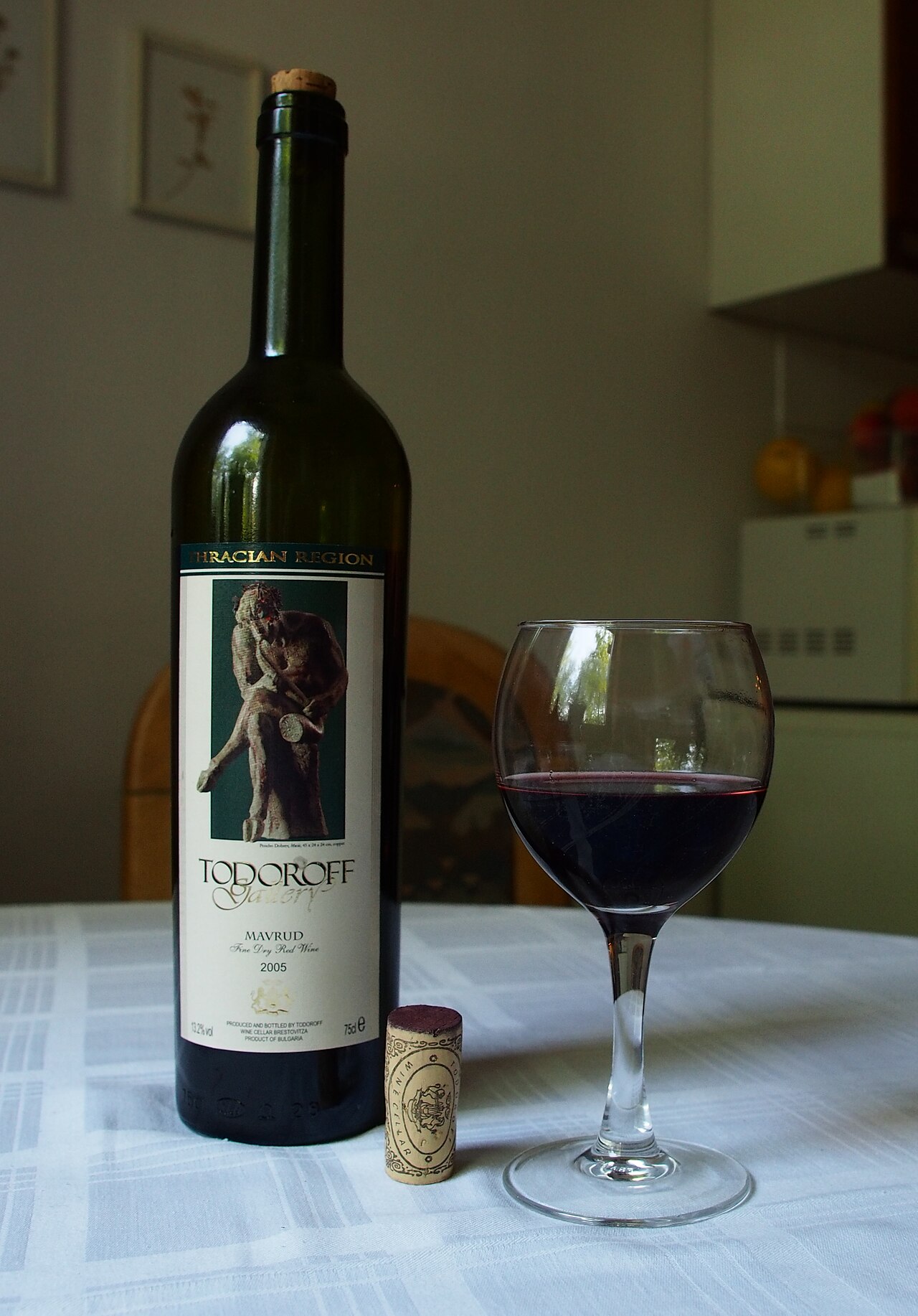
The Upper Thracian Plain covers 16,032 square kilometres of fertile, sheltered land at an average elevation of 168 metres. The Balkan Mountains shield it from the cold winds off the Russian steppe, while the Maritsa valley funnels Mediterranean warmth in from the south. Bulgaria's record temperature, 45.2°C at Sadovo in 1916, was set here. The wines reflect that warmth: ripe, full-bodied reds with serious extract.
Plovdiv is the natural base for a Thracian wine trip. From there you are within easy reach of Asenovgrad and Perushtitsa, the Mavrud heartlands, plus the broader Pazardzhik, Stara Zagora and Chirpan zones. Many wineries here are sizeable operations exporting internationally, and the tasting experience tends to be more polished than in the Struma valley.
The Rose Valley to the north, between the Balkans and Sredna Gora, is a useful detour. The Sungurlare Valley specifically is famous for Red Misket, and Sungurlare itself houses a viticulture museum founded in 1984 in an 1882 merchant's house. The town sits about 80 kilometres west-northwest of Burgas and 25 kilometres west of Karnobat, so it slots neatly into a coastal-to-interior road trip.
Bulgarian winery visits are not yet on the Tuscany or Bordeaux template, which is mostly a good thing.
Book ahead, by phone or email. Walk-ins work at the larger Plovdiv-area producers and at some Melnik wineries during summer, but smaller operations expect notice. A short message in English is usually fine; the under-50 generation in the wine trade tends to speak it well.
Ask the tasting fee when booking. A tasting may cover four to six wines and sometimes a plate of cheese, bread and cured meat. Prices and inclusions vary, so confirm both rather than relying on an old comparison with UK cellar doors. Bring a card and enough cash for a venue whose terminal is unavailable.
Do not drink if you are driving. Bulgaria's general legal blood-alcohol limit is 0.5 mg/ml, but the safe rule for a winery visit is not to drink if you are driving. Check the current official EU summary of Bulgarian road rules. Nominate a non-drinking driver, arrange transport or stay overnight.
Don't skip the village taverns. A mehana may offer house wine alongside its bottled list. Ask who made it, whether it is sold by glass or carafe and what dish the server would pair with it. Use the Bulgarian food and drink guide to understand how rakia, wine and beer sit within the meal.
Buy by the case. Once you have found a producer you like, buying six or twelve bottles directly is significantly cheaper than the same wine in a Sofia wine shop, and dramatically cheaper than the supermarket equivalent.
Not every bottle requires a road trip. Here is how to navigate the supermarket aisles.
Bulgarian supermarkets carry a respectable range, from €2 plonk to €30 reserve bottlings. As a rough rule, anything under about €4 is for cooking or for guests you do not like very much. Between €6 and €15 you will find the bulk of the genuinely good wines from the named regional producers, and above €20 you are into the reserve and limited-release territory where Bulgarian wine starts to compete with mid-tier French and Italian.
Look for the region on the back label. Thracian Valley on a red is a good sign for fuller-bodied wines; Struma Valley signals a Melnik-style profile; Danube Plain suggests something lighter and often very food-friendly. Indigenous grape names (Mavrud, Shiroka Melnishka, Rubin, Gamza, Dimyat, Misket) are usually a more interesting bet than yet another Bulgarian Cabernet, although the better producers do make excellent international-variety bottlings too.
For anything beyond the supermarket level, find a specialist wine shop. Sofia, Plovdiv and Varna all have several. Staff in these shops generally know their stock well and will happily walk you through the regions. A good independent shop will also stock smaller-production wines that never reach the supermarket chains, which is where the most interesting Bulgarian winemaking is currently happening.
Both. At the supermarket end, Bulgarian wine is cheap because Bulgaria is a low-cost producer, not because the wine is poor. At the mid and upper tiers, modern Bulgarian winemaking is genuinely impressive, with serious investment in indigenous varieties like Mavrud and Shiroka Melnishka. The reputation problem in the UK dates largely from the 1980s and 1990s, when Bulgarian Cabernet was a budget-bin staple. The industry has moved on considerably; British perceptions have not always kept up.
A short shortlist:
If the list is unfamiliar, ask the staff. Most Bulgarian restaurant staff under 40 will happily steer you to something local rather than the international bottle they assume you want.
Yes, within the standard UK personal allowances for arrivals from outside the EU/UK customs area. As of writing, that is 18 litres of still wine plus a smaller spirits allowance. Beyond those limits you owe duty. Pack bottles in dedicated wine sleeves or hard-shell wine cases for hold luggage; airline baggage handlers are not gentle. Customs declarations are the traveller's responsibility, and the rules change periodically, so check the current HMRC guidance before you fly.
Late spring (May and early June) and early autumn (September and October) are the sweet spots. Summer in the Struma valley and Thracian Lowland regularly tops 35°C, which is no fun for tasting reds. Harvest itself, usually September into October depending on the grape and region, is the most atmospheric time to visit if you do not mind the wineries being busy. Avoid August unless you are combining the trip with a coastal holiday.
Yes, although the scene is smaller and less polished than in Western European wine regions. Day tours from Sofia typically cover the Melnik area or selected Thracian wineries near Plovdiv. From the coast, operators run trips into the Black Sea hinterland and occasionally as far as the Rose Valley. For British expats already living in Bulgaria, the better option is usually to organise your own trip, either driving yourself with a designated non-drinker, or hiring a local driver for the day. It is cheaper and you get to set the pace.
Bulgaria operates under the EU's PDO (Protected Designation of Origin) and PGI (Protected Geographical Indication) framework, which all member states share. The five historic viticultural regions established by the 1960 decree map roughly onto the modern PGI zones, and you will see the regional names (Thracian Valley, Danube Plain, Struma Valley and so on) on back labels. It is less rigid than the French AOC system and less codified than Italian DOCG, but the regional terms do carry real geographical meaning.