
A practical comparison of Bulgaria's three main ski resorts for British expats and visitors, covering terrain, access from Shumen, atmosphere and who each one really suits.
If you only have a minute, here is the short version before we get into detail.
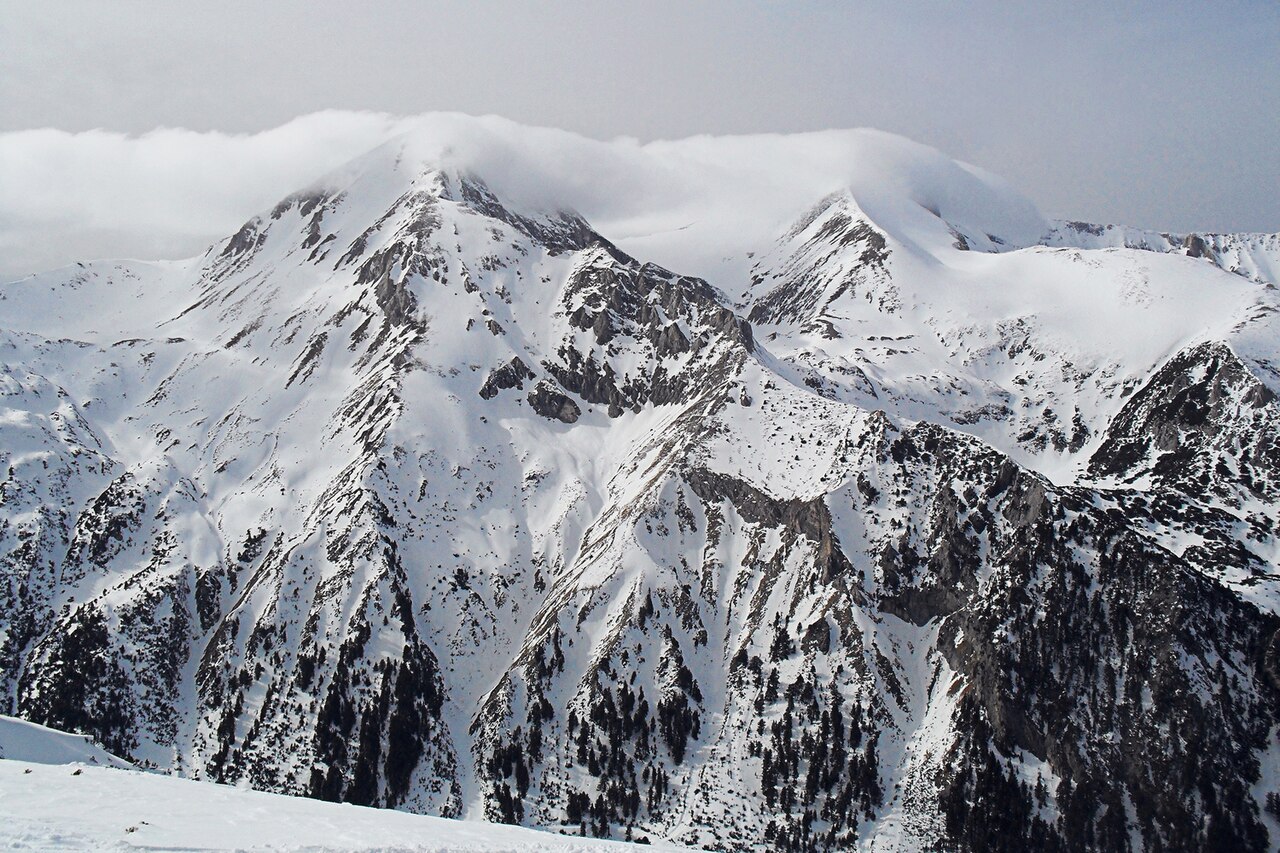
Bulgaria's three serious ski resorts each have a clear personality. Bansko is the biggest and the most international, with the longest vertical and the liveliest après-ski. Borovets is the oldest, founded in 1896, with dense pine forest, traditional Bulgarian feel and the shortest transfer from Sofia. Pamporovo is the smallest of the three and consistently the sunniest, pitched squarely at families and beginners.
For a first Bulgarian ski trip with mixed abilities or young children, Pamporovo is the gentlest landing. For a group of competent intermediates who want lively evenings, Bansko earns the nod. For skiers who want quick access from Sofia, dramatic forest scenery and a less commercial atmosphere, Borovets wins.
None of this is to suggest the choice is binary. The three resorts are different enough that British expats who ski regularly end up trying all of them over a few seasons. They are also genuinely affordable compared with the Alps, which is why Bulgaria's share of European winter tourism has been steadily rising for years.
The rest of this guide breaks down the practicalities: getting there from Shumen, what the terrain actually offers, costs in euros (Bulgaria switched on 1 January 2026), the weather you can expect, and the small things that catch British first-timers out.
Bansko has become the default Bulgarian ski destination for international visitors, and with good reason.
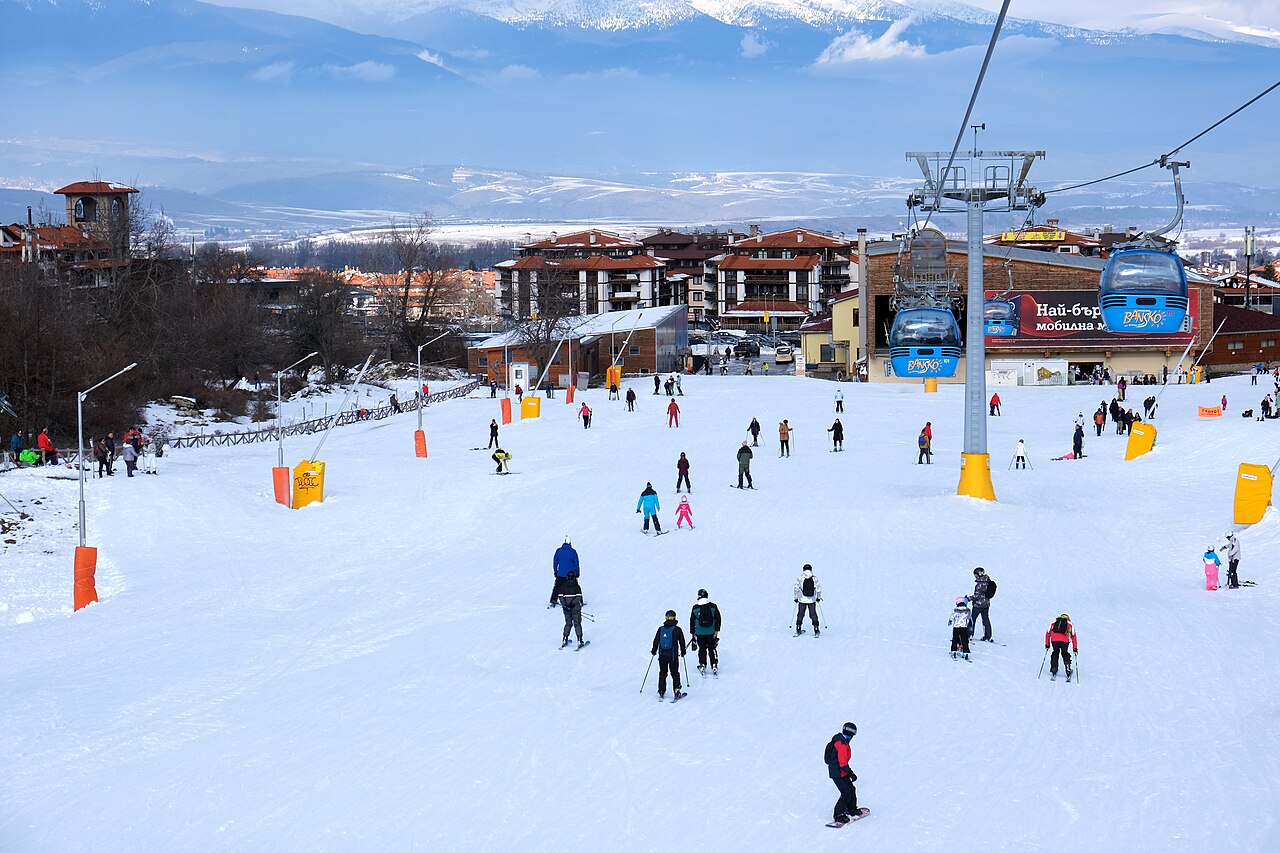
Bansko sits at the foot of the Pirin mountains, in the valley of the Nestos river at an elevation of 925m. The city itself is about 160km from Sofia and 220km from Thessaloniki, which gives it an unusual geographic position: skiers can fly in from either direction. The gondola lift was built in 2003, replacing the old minibus shuttle to the primary base area of Banderishka Poliana.
As of 2010, the ski area carried 75km of ski runs served by 14 lifts and drags, with a stated capacity of up to 24,500 persons per hour. The lift-served summit reaches 2,600m, giving a vertical drop of nearly 1,000m to the base area and over 1,600m if you ski the runs all the way back to town. That is genuinely substantial; it puts Bansko in the same conversation as many mid-sized Alpine resorts on terrain alone.
Bansko has hosted FIS World Cup events, including women's races in 2009 and the men's circuit from 2011 onwards. That pedigree matters because it forces investment in piste preparation, snowmaking and lift capacity. The resort officially opened its 2025-2026 season on 13 December 2025.
Off the slopes, Bansko has reinvented itself. It has become a noted hotspot for digital nomads, with two coworking locations and the annual Bansko Nomad Fest drawing 700 participants in 2023. For British skiers this translates into a year-round restaurant and bar scene that holds up well after the lifts close, plus a stock of self-catered apartments that wouldn't exist if the city emptied out every April.
The nearby village of Banya, just 5km away, has 27 thermal mineral springs, which makes a useful rest-day option. Check the weather forecast before you commit to a date; the Pirin can deliver heavy snow but also the occasional warm spell.
Borovets is the elder statesman of Bulgarian skiing and a different experience from Bansko in almost every way.
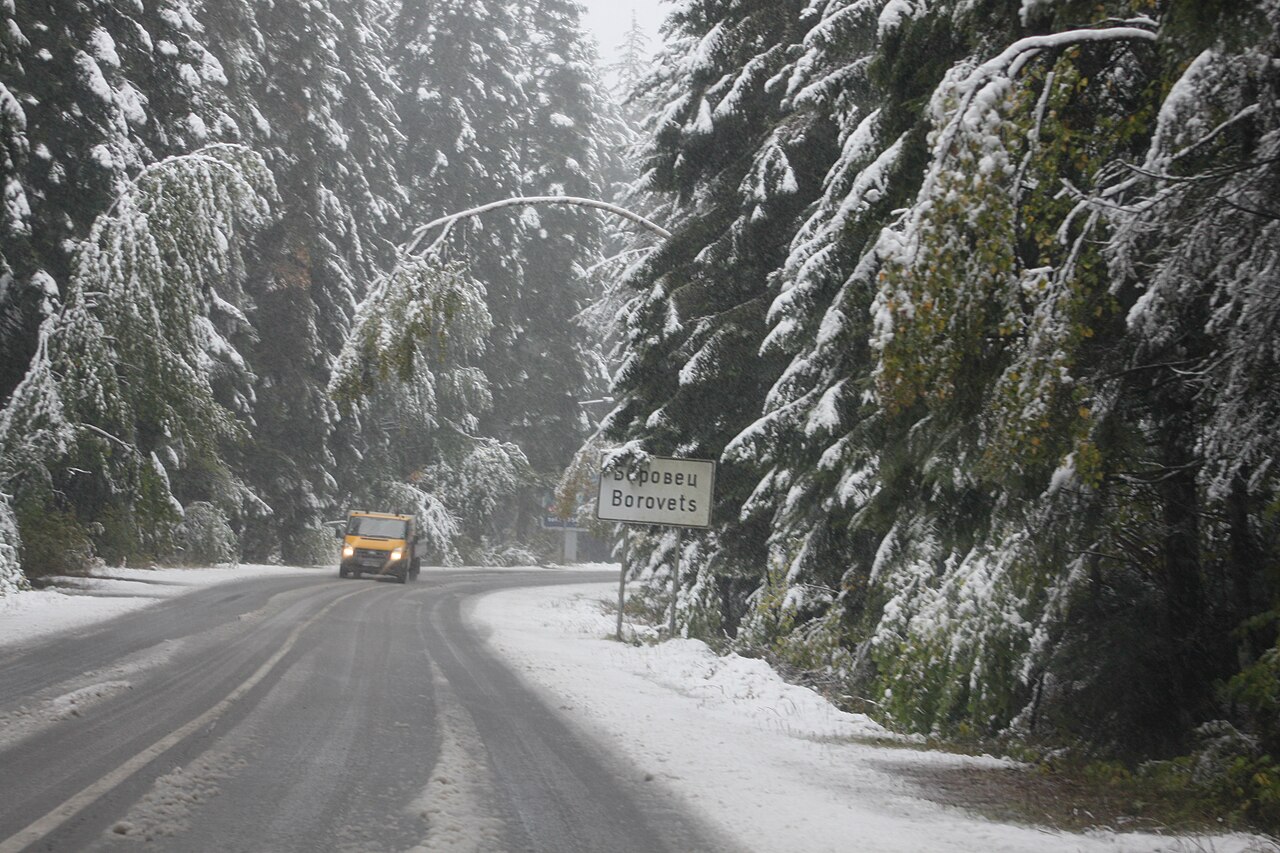
Borovets is in Samokov Municipality on the northern slopes of Rila, Bulgaria's highest mountain range. The resort sits at 1,350m, roughly 10km from Samokov and 70km from Sofia. That short transfer from the capital is the single biggest practical advantage of Borovets over its rivals: you can land at Sofia in the morning and be clicked into your bindings by mid-afternoon.
The resort's history reaches back to 1896, when it was established as a royal hunting retreat. Ferdinand I built the Tsarska Bistritsa palace nearby and the area gradually developed into a winter sports centre. Borovets hosted Alpine Skiing World Cup rounds in 1981 and 1984, and the 1993 Biathlon World Championships.
The ski area covers 58km of marked pistes on generally north-facing slopes up to an altitude of 2,560m, with many runs ending near the village centre. That north-facing aspect helps hold snow quality. The longest run is a gentle 12km return to the resort along the maintenance road, which is a pleasant cruise rather than a challenge. There are runs in all colours including several blacks, but Borovets is best known to British visitors as solid intermediate territory with reliable tree-line skiing when the weather closes in.
A proposed expansion known as Super Borovets was floated in 2004 with a plan to push the ski-able area to around 90km and add 12 new lifts. By February 2010 the project had stalled in the financial fallout of the Great Recession, and progress has been patchy since.
The resort opened its 2025-2026 winter season on 27 December 2025, marking 130 years since the founding of Bulgaria's first ski resort. The atmosphere is more traditional Bulgarian and less polished than Bansko, which some British visitors love and others find rough around the edges. For a frank assessment of typical living and travel costs, see our cost of living page.
Pamporovo is the southernmost of the three and the one most British families end up choosing.
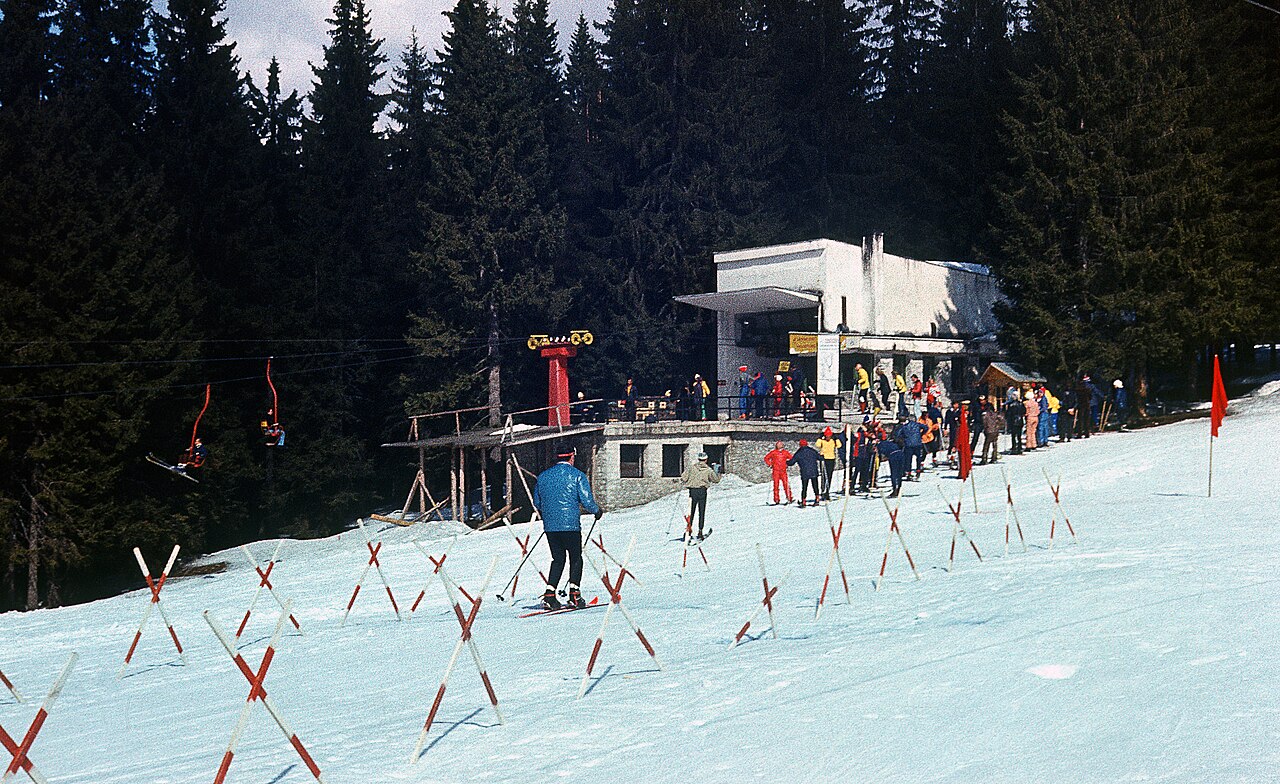
Pamporovo sits in the southern Rhodope mountains at an altitude of 1,620m, surrounded by Norway spruce forest. It is around 260km from Sofia, 85km south of Plovdiv, 15km north of Smolyan, and 10km south of Chepelare. The highest peak nearby is Snezhanka at 1,928m, which hosts the Snezhanka Tower.
The ski area carries 55km of ski runs and 38km of cross-country tracks, served by 18 lifts with a total capacity of 13,000 skiers per hour. The longest run is Snezhanka 6, also called Turisticheskata, at 5.15km. Snowmaking covers 100% of the area, which matters because Pamporovo's lower latitude and lower base elevation make it more vulnerable to mild spells.
What sets Pamporovo apart is the terrain split. Resort literature describes the trails as roughly 27% easiest, 61% more difficult and 12% most difficult. That weighting tells you everything you need to know: this is a beginner and intermediate mountain, not a venue for advanced skiers chasing steep lines.
The ski school tradition is strong, with instructors fluent in various languages, and the resort markets itself explicitly as family-friendly. The nearby town of Chepelare is home to the only ski and snowboard factory in the Balkans, cooperating with Atomic Skis, and is also the birthplace of biathlete Ekaterina Dafovska, Bulgaria's only Winter Olympics gold medal winner.
There is a quirk worth knowing: a border crossing point opened with Greece in January 2010, just half an hour's drive from Pamporovo by car. The resort is the only one in Europe that lets you switch from skiing to swimming in the Aegean in under a day, which is the sort of detail that wins arguments with reluctant non-skiing spouses. Pamporovo opened its 2025-2026 season on 28 December 2025.
Shumen is in the north-east, and all three ski resorts are firmly in the south-west or south. Plan the journey carefully.
There is no convenient way to ski in Bulgaria from Shumen. Bansko and Borovets are in the south-west, Pamporovo in the south-central Rhodope range. Sofia is the gateway for all three, and from Shumen Sofia is a long drive across the country.
By car: Expect a full day's drive to Sofia, then onwards to the resort. Borovets is the easiest second leg at roughly 70km from the capital. Bansko adds another 160km from Sofia. Pamporovo is the most awkward by car from Shumen, sitting around 260km from Sofia on roads that wind through the Rhodopes.
By train and bus: Bansko is a stop on the narrow-gauge Septemvri to Dobrinishte railway, with rail connections changing at Septemvri to Sofia, Plovdiv and Burgas. There are bus connections from Sofia to Bansko, Razlog and Gotse Delchev. For Borovets and Pamporovo, the practical route is bus or train to Sofia or Plovdiv, then a regional bus or pre-arranged transfer.
By air: For larger groups it is sometimes cheaper to combine a domestic hop with a transfer, but realistically most Shumen-based skiers drive to Sofia, stay over, and continue the next morning. If you are travelling with family from the UK, flying directly into Sofia or Plovdiv and skipping Shumen entirely for the week is often the most sensible plan.
Whatever you choose, factor in winter road conditions. Mountain approaches to all three resorts can require winter tyres and occasional snow chains. The roads are generally cleared but expect delays after heavy falls.
Bulgaria adopted the euro on 1 January 2026, so the currency picture has changed for anyone who skied here previously.
All resort pricing, lift passes, ski school fees, equipment hire and accommodation are now quoted in euros. If you find an older guidebook or website still showing leva, treat those figures with care. The fixed conversion rate was 1 EUR = 1.95583 BGN, but for practical purposes you should be looking at current euro pricing on the resort's own website.
We don't quote specific lift pass prices in this guide because they change every season and the brief doesn't carry verified current figures. Bulgaria's appeal to British skiers has always been that it undercuts the comparable Alpine resorts substantially, and that gap has persisted even as costs have risen. The official Sofia Globe reported that Bulgaria's share of European winter tourism has been steadily rising, with Bansko increasingly competing with resorts in France and Switzerland on a price basis.
What you can sensibly budget for:
For non-resort costs, the cost of living in Bulgaria more broadly remains attractive, which is part of why so many British skiers extend their trip with a few days in Sofia, Plovdiv or the Black Sea coast.
Bulgarian ski seasons are shorter than the high Alps. Know what you are getting before you book.
All three resorts traditionally run from mid-December to early April, though season length varies year to year with snow conditions. The 2025-2026 season opened in Bansko on 13 December, Borovets on 27 December, and Pamporovo on 28 December.
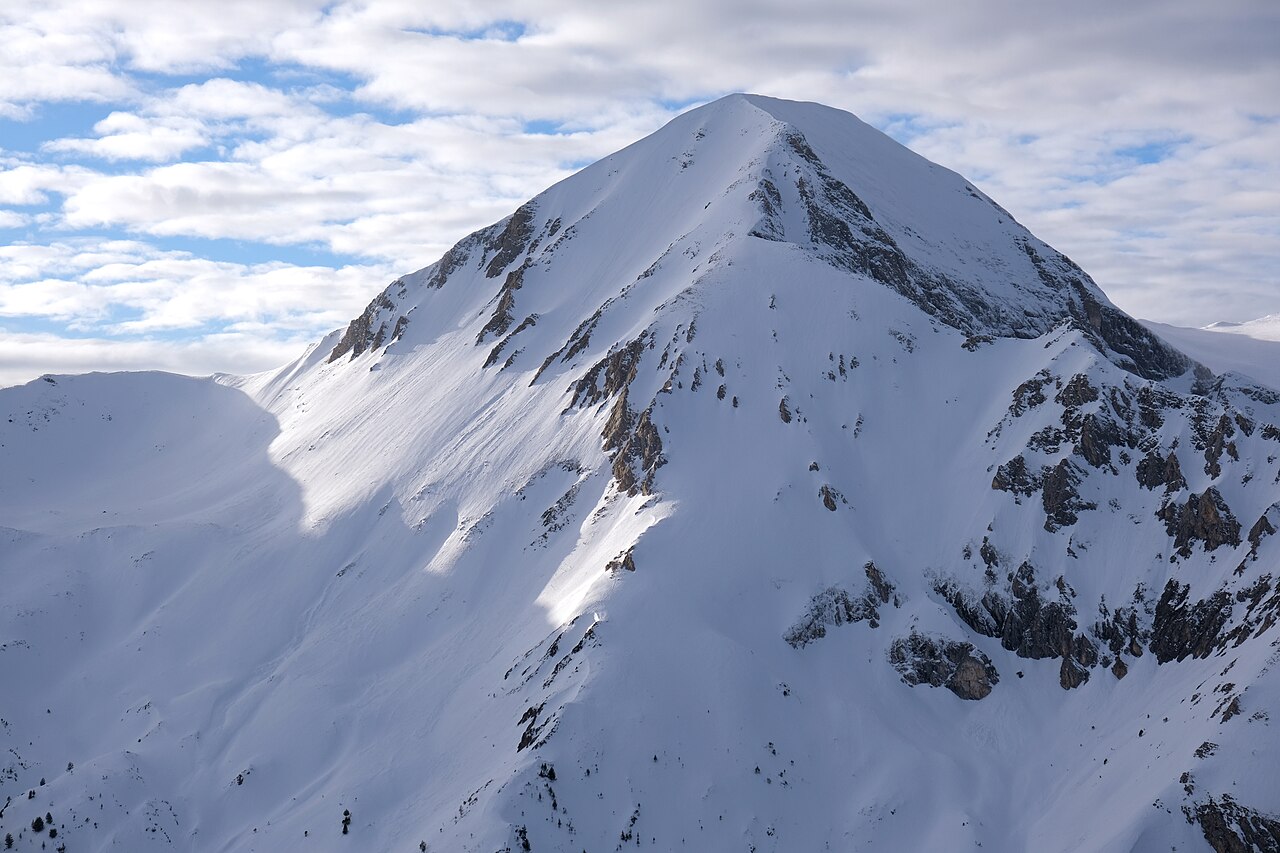
Bansko has the highest lift-served terrain at 2,600m, which gives it the strongest snow record of the three. Pamporovo has an average January temperature of around -3°C, the mildest of the three majors thanks to its more southerly Rhodope location. The Pirin range holds Europe's southernmost glaciers, Snezhnika and Banski Suhodol, so the area has a deserved reputation for serious mountain conditions.
Borovets has a humid continental climate with long, cold and snowy winters. January mean daily temperatures sit around -3.8°C, colder than Bansko's valley readings. The dense pine forest on the lower slopes provides shelter and visibility when weather is poor.
Pamporovo has the mildest winters of the three, with an average January temperature of around -3°C. The resort compensates with comprehensive snowmaking covering 100% of the pistes. That said, in mild seasons Pamporovo's lower elevation can hurt earlier in the season and again from mid-March.
If you want maximum snow security, book the second half of January or first half of February. December openings can be patchy if early snow is thin, and late March trips depend heavily on the year. Check our weather guide for broader context on Bulgarian climate patterns before you commit.
Cutting through the marketing, here is who each resort really suits.
Choose Bansko if you are:
Choose Borovets if you are:
Choose Pamporovo if you are:
None of these are absolute rules. Strong skiers have perfectly good weeks in Pamporovo by exploring the small black pistes and the cross-country network. Families have great holidays in Bansko by booking lessons and sticking to the easier blues. The question is really about the centre of gravity of your group.
For British expats already living in Bulgaria, there is one more factor: how often you go. If you ski two or three times a season, varying the resort keeps it fresh. If you ski once a year, pick the one that fits your group's mix and stick with it. Honestly, the differences matter less than the obvious truth that any of the three offers far better value than the equivalent week in Val d'Isère.
Small practical points that the brochures don't tell you.
Bring your GHIC. Post-Brexit, the GHIC has replaced the EHIC for British travellers and covers state healthcare in Bulgaria on the same terms as locals. It does not cover mountain rescue, helicopter evacuation, or repatriation, all of which are uncomfortably possible on a ski holiday. Take out proper winter sports travel insurance separately.
Save the rescue route. For a mountain emergency call 112. Bulgarian Red Cross Mountain Rescue also lists 1470 and 02 963 2000. Our mountain rescue guide for Bulgaria explains what location, route and casualty information the team needs.
Cash and cards. Bulgaria is now in the euro. Card acceptance is good in resort hotels, restaurants and shops, but small mountain huts and some lift-side cafes still prefer cash. Carry some euro notes for those moments.
Lift queues. Bansko's gondola has been notorious for morning queues at peak weeks. Buying a lift pass online in advance and starting earlier than you would in the Alps makes a real difference. Borovets and Pamporovo have less of an issue but the same principle applies.
Lessons book up. English-speaking instructors are in demand, particularly at half term and over the Christmas to New Year period. Book lessons before you book your flights if your trip depends on them.
Equipment hire quality varies. The first shop you walk into is rarely the best. Ask around, read reviews, and don't be shy about asking for a swap if the boots are wrong. Bulgarian ski technicians are generally good but the rental stock at the cheaper end is older.
Driving in winter. If you are driving from Shumen or elsewhere in Bulgaria, winter tyres are mandatory from mid-November to mid-March. The mountain approaches can require chains in heavy snow, so carry a set and know how to fit them. Hire cars from Sofia airport are usually winter-equipped by default, but confirm at pickup.
Pamporovo is the standard recommendation. The terrain split favours easier runs (resort literature describes the trails as roughly 27% easiest and 61% more difficult), the ski school tradition is strong, and the gentler weather and lower altitude help nervous beginners acclimatise. Borovets is a reasonable second choice. Bansko is feasible for beginners but the area is bigger and busier, which can be intimidating in week one.
Substantially cheaper across the board, even after Bulgaria's switch to the euro in January 2026. The Sofia Globe and other sources note that Bulgaria's share of European winter tourism has been rising precisely because of this gap. Expect significantly lower costs for lift passes, ski school, equipment hire and on-mountain food. Accommodation varies more, but even at the higher end Bansko, Borovets and Pamporovo undercut comparable Alpine resorts.
Not easily. All three main resorts are in the south-west or south of the country, and Shumen is in the north-east. The practical options are:
Borovets is the closest to Sofia (about 70km) and therefore the easiest second leg.
No. All three resorts handle international visitors and English is widely spoken in ski schools, hotels, equipment shops and most restaurants. Bansko has the strongest international scene; Borovets and Pamporovo are slightly more traditionally Bulgarian but English is still standard at any tourist-facing business. A few words of Bulgarian (please, thank you, hello) are appreciated but not necessary.
No, and this is worth being clear about. The GHIC (which replaced the EHIC for British nationals post-Brexit) covers state healthcare in Bulgaria on the same basis as locals. It does not cover:
Take out separate winter sports travel insurance that explicitly covers off-piste if you plan to leave marked runs. Confirm the policy covers Bulgaria and skiing specifically.
Officially mid-December to early April, but it varies. The 2025-2026 season opened in Bansko on 13 December 2025, Borovets on 27 December 2025, and Pamporovo on 28 December 2025. Early December trips are risky if natural snow is thin. The most reliable conditions are usually late January through mid-March. Late season trips depend heavily on snowmaking, which is comprehensive at Pamporovo (100% coverage) and good at Bansko and Borovets too.