📅 ON THIS DAY IN BULGARIA, Wednesday 5 August
You have seen this man's face. I can almost guarantee it. If you have spent any time at all with Bulgarian television on in the background, in a cafe, at the neighbours', during one of those long afternoons where somebody's aunt has the set on and nobody is really watching, then Georgi Mamalev has been in the room with you. Most British expats could not put a name to him. Almost every Bulgarian over forty can.
What happened on this day
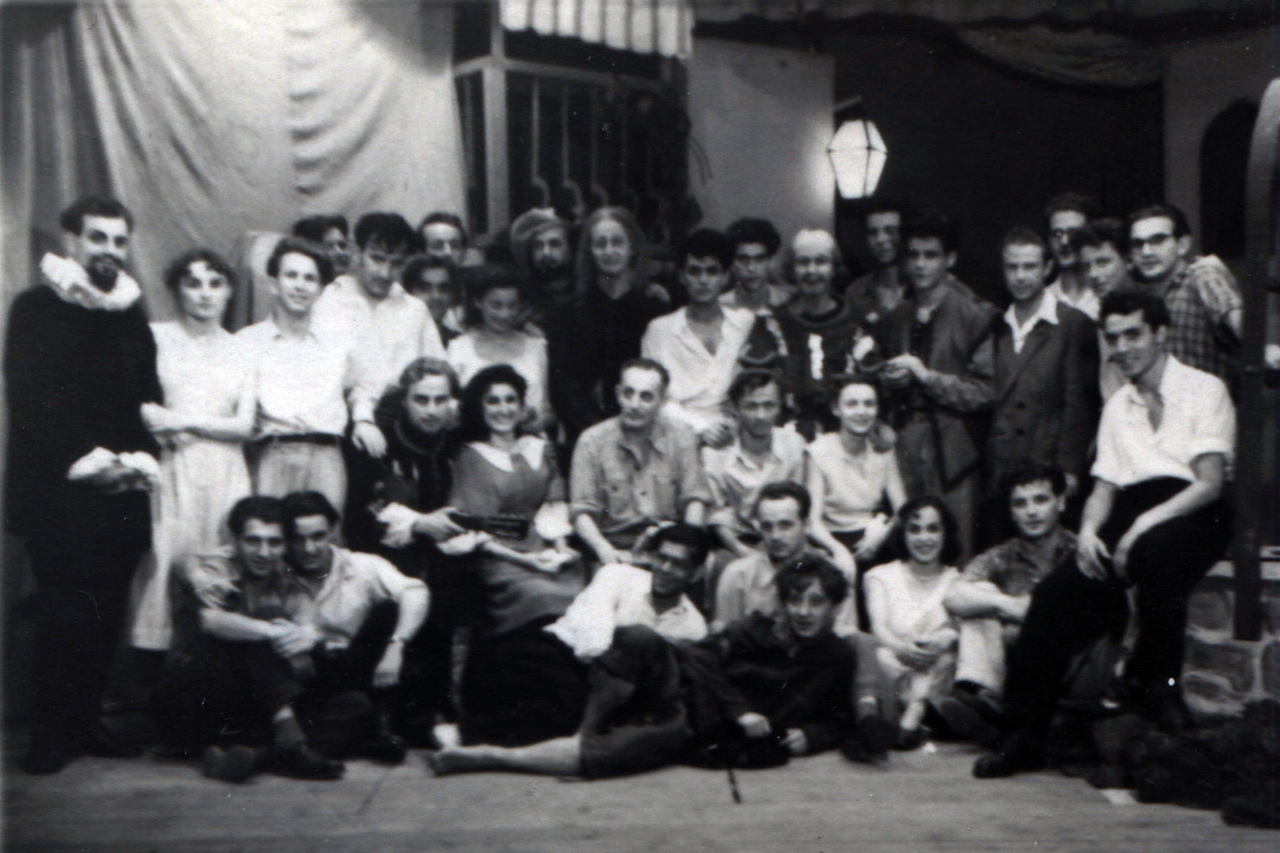
Georgi Anastasov Mamalev was born on 5 August 1952 in the village of Mamarchevo, in the Bolyarovo area down in the far southeast, which is about as far from a national stage as a Bulgarian childhood gets. He trained in acting for dramatic theatre at the VITIZ "Krastyo Sarafov" academy in Sofia, graduating in 1977 from the class of Professor Encho Halachev, and went straight into the "Ivan Vazov" National Theatre, where he has been ever since. Nearly fifty years in one company. In an industry where people drift, that is quite a thing.
The stage roles are the ones the profession respects: Avram "Sovalkata" in Yordan Radichkov's An Attempt at Flying, Fratyu in Ivan Vazov's Chichovtsi, Zagoretski in Griboyedov's Woe from Wit, Dromio of Syracuse in The Comedy of Errors and Puck in A Midsummer Night's Dream, Volpone in Ben Jonson's Volpone, the Guard in Stefan Tsanev's The Last Night of Socrates, and Richard III. The screen roles are the ones the country actually remembers: Gosho in Orchestra Without a Name, Prince Alfonso in The Prince's 13th Bride, and Stefan Stambolov in Notes on the Bulgarian Uprisings. It is a rather Bulgarian career shape, the serious classical CV running quietly underneath the popular one.
The NLO years
The thing that made him a household name, though, was comedy, and he did not do it alone. Mamalev, Pavel Popandov and Velko Kanev created the NLO project, which grew into the television programme Klub NLO. Three actors, all with proper theatre credentials, deciding to be funny on purpose and in public. He also recorded on his own, some of it for "The Golden Blackbird", the humorous song festival set up in 1975 as a parody of the Golden Orpheus and which, in one of those small national jokes that never stops being funny, outlived the thing it was mocking.
He joined the Union of Bulgarian Film Makers in 1989. In 2002 he marked his jubilee with a one-man show, Do You Understand Me Correctly?. In 2005 he briefly fronted his own BNT programme, Freely with Mamalev. In 2008 he turned up on Dancing Stars, which is either a career low or exactly the point, depending on how seriously you think a comic actor is supposed to take himself.
Why this matters for British expats
Here is the practical value, and it is bigger than it sounds. Bulgarian small talk runs on shared cultural reference in a way British small talk mostly does not. We ask about the weather and the traffic; Bulgarians quote a film line and wait to see whether your face moves. Knowing who Mamalev is, and that Orchestra Without a Name is one of the films everybody has seen, gives you a way into a conversation that no amount of grammar drill will buy you.
It also explains something you have probably already noticed if you watch anything locally. Bulgarian television leans hard on a small, familiar repertory company of faces, the same actors turning up across decades in comedy, drama and light entertainment alike. That is not laziness, it is the shape of a small country's cultural industry, and it is why the Bulgarian channels feel so different from the endless-new-faces churn of British TV. If you are still working out what is worth watching and what your provider actually gives you, the Shumen.UK guide to TV and entertainment in Bulgaria covers the channels, the packages and the English-language gaps.
And there is a Shumen thread worth pulling, because this city has a genuine claim on the tradition Mamalev works in. Dobri Voynikov, born here, is the man usually credited with founding Bulgarian secular theatre, staging plays in the National Revival years when the idea of a Bulgarian stage was still an argument rather than an institution. Every actor in the "Ivan Vazov" company is standing on the far end of a line that runs back through Shumen. Not a bad thing to know if you live here.
Worth a look if you haven't already: the Shumen.UK money guide.
Sources and further reading
The biographical detail here, the birth date and village, the VITIZ class, the theatre and screen roles, the NLO project and the dates of his later television work, comes from Mamalev's Bulgarian Wikipedia biography, which is considerably fuller than the short English entry. Where the record is quiet, this piece stays quiet too: the Bulgarian page lists his roles without attaching years to most of the films, so neither have we.