01
January
5Ivanovden, the biggest single-name day in Bulgaria

Essential Expat Guide
The Complete Guide for British Expats
Every Bulgarian has two annual celebrations: a birthday, and a name day. Here is how the system works, why your colleague brought the cake instead of the other way round, and the 30 saints' days that fill the Bulgarian calendar from Vasilyovden to Stefanovden. For history attached to each date, browse On This Day in Bulgaria. For holidays and practical planning, use the Cultural Calendar.
A name day is the feast day of the Orthodox saint after whom your first name is patterned. Every Bulgarian who shares a given name celebrates on the same date across the entire country. It is the closest thing the country has to a second birthday system.
If your first name is Ivan, your name day falls on Ivanovden, 7 January, the feast of Saint John the Baptist. If your name is Maria, you celebrate on 15 August, the Dormition of the Theotokos. George becomes Georgi and celebrates Gergyovden on 6 May, which is also Bulgaria's Day of the Armed Forces and a public holiday: a useful clue that name days are not minor.
The cleanest way to explain it to a British brain: imagine a second birthday system layered on top of the Orthodox calendar, where everyone who shares a name celebrates on the same day. Every Ivan in Bulgaria, all on 7 January. Every Maria, on 15 August. The supermarket bakery counters know the calendar better than the customers do, and they stock up accordingly.
The tradition runs through Orthodox Christianity. When a Bulgarian child is baptised, they receive a name from the saint's calendar, sometimes literally the saint whose feast falls closest to the baptism date. The name carries the saint's protection through life, and the annual feast day of that saint becomes the person's name day. Even Bulgarians who name children after grandparents (which is most of them) are still working from a pool of names that were themselves saints' names a few generations back.
The system is older than the Bulgarian state in its modern form. It predates the 1908 declaration of independence, the 1944 communist takeover, and the 1989 transition. It survived the communist period almost untouched because the names themselves are secular by daily use, even when their saint origins are explicit. A Bulgarian named Konstantin in 1973 went by Kosta to friends and Kostadin on paperwork; the religious roots were quietly inherited regardless of what the Communist Party thought about Orthodox feasts.
Counts vary by source. The Bulgarian Orthodox Church's liturgical calendar lists a saint for every day of the year, but only a fraction of those translate into popular name days with a meaningful population of celebrants. The realistic working number is around 30 major name days covering perhaps 80 percent of Bulgarian first names, plus a long tail of minor saints and variants.
Some dates are huge: Ivanovden (7 Jan), Gergyovden (6 May), Bogoroditsa (15 Aug), Dimitrovden (26 Oct), Nikulden (6 Dec), Stefanovden (27 Dec). Others are tucked into the smaller corners of the year and may pass without an expat noticing unless someone they know personally is celebrating.
The single most useful concept for understanding the Bulgarian system is the name cluster. One saint's feast typically generates a cluster of related given names that all celebrate on that date: the formal name, its feminine form, diminutives, and historical variants. Gergyovden (6 May) covers Georgi, Gergana, Ginka, Gancho, Galya, Galin, Gosho, Zhoro, Gana, Genko and a dozen others. Konstantin & Elena (21 May) covers Konstantin, Elena, Kosta, Kostadin, Dinko, Stanimir, Kuncho, Lenka, Stanka, Trayko, plus rarer variants.
This explains why an expat might see 21 separate name-day variants celebrating on a single Tuesday: it is not 21 different saints, it is one saint with 21 culturally-derived given names. The cluster system is why a hairdresser in Plovdiv called Dinko and a maths teacher in Veliko Tarnovo called Konstantin are both celebrating Konstantinovden on 21 May.
Almost every British expat in Bulgaria gets the name-day etiquette backwards in their first year. The mechanics are the inverse of a British workplace birthday. Here is how it actually works.
On a name day, the person celebrating brings the food to the office. Not the colleagues, not the friends, not the boss. The Maria whose name day it is turns up to work with banitsa, a sponge cake, sometimes a bottle of rakija for the senior colleagues, and circulates them around the desks. You congratulate her, eat the cake, get back to work.
This is the precise inverse of a British workplace birthday, where the team chips in for a card and a Colin the Caterpillar, and the birthday person is the passive recipient. On a Bulgarian name day at work, the celebrant is the host. The logic: it is their day, they are proud of it, they share their good fortune. Refusing the cake is mildly rude. Accepting and saying "честит имен ден" (chestit imen den, happy name day) is the entire transaction.
When you are invited to someone's home for their name day, you bring presents, flowers, cake, wine, the works. The celebrant is now the host of a meal rather than the office-rounds gift-giver, and the guests reciprocate by arriving with their arms full. Showing up empty-handed to a Bulgarian name-day lunch is the closest you will get to genuine social disgrace.
The mental model: public celebration means the celebrant feeds the room. Private celebration means the guests feed the celebrant. Get that backwards and your Bulgarian mother-in-law will mention it for a decade.
Bulgarian florists will sell you any number of flowers; the cultural taboo is on you, not on them. 1, 3, 5, 7, 9, 11, 13. Even-numbered bouquets are exclusively for funerals and graveside visits. Get this wrong and a Bulgarian grandmother will quietly pull a stem out before she puts the bouquet in water.
The standard greeting is "честит имен ден" (chestit imen den). Say it on the day itself, ideally in person, or by phone, or by message. The phrase is universal: it works for the office Ivan, your neighbour Petar, and the cousin in Burgas you barely know.
If you walk into the office and everyone has already greeted the celebrant, say it anyway. The repetition is welcome rather than awkward. It is not a punchline that loses force on the fifteenth telling; it is an acknowledgement.
Phone calls to distant relatives are still expected, especially from the older generation. If your Bulgarian partner has an aunt in Kyustendil whose name day falls on Tuesday, expect a call to be made or received. Social media has eased some of this pressure: a Facebook post tagged with the celebrant's name now counts as a valid greeting in most circles, and the algorithm is genuinely useful at surfacing whose day it is.
If you forget until the day after, apologise warmly, send a message, and follow up with a banitsa or a bottle when you next see them. Late is fine. Silent is not.
Sofia, Plovdiv, Varna: name days are largely a workplace affair, often capped with a lunch at a mehana with close friends. Office cake circulation in the morning, restaurant dinner with six people in the evening. Reservations book up early on the big saint days, particularly Ivanovden and Gergyovden.
Smaller towns and villages: expect a full family gathering, often with relatives travelling in. The lunch can stretch four or five hours, with multiple toasts, and the rakija will appear before the soup. If you are invited to a village name day, clear your afternoon.
Black Sea coast: the resort of Sveti Konstantin i Elena, just north of Varna, is named for Saints Constantine and Helena, whose feast falls on 21 May. Locals along the coast take Konstantinovden seriously, and the resort itself sees a small uptick in Bulgarian visitors marking the day.
Rhodopes and Pirin: tighter, more community-driven celebrations. The lunch sometimes spills into the next day, with leftover banitsa for breakfast and a slow second round of coffee and rakija. Pomak villages observe slightly different patterns reflecting the local mix of Christian and Muslim heritage; worth asking before assuming.
The major Bulgarian name days that cover the bulk of given-name celebrations. Fixed-date days first, then the movable Easter-relative feasts. Scale: huge (entire offices empty for lunch), large (most teams will have someone celebrating), medium (a handful per workplace), small (niche).
One click each. Annually-recurring all-day events. Together these cover roughly 80% of office name-day celebrations in Bulgaria.
Want a specific saint? Use the "Add" button next to any row in the calendar table below for a 3-option menu (Google / Outlook / Apple).
The Bulgarian year at a glance
Chip colour reads the social scale, huge (entire-office days), large, medium, small. Tap any chip to jump to its full entry below.
Ivanovden, the biggest single-name day in Bulgaria
Trifon Zarezan, the vine-grower's day
Blagoveshtenie, the Annunciation
Movable feasts only, set by the Easter calendar
April: no fixed-date saints. The movable Easter-relative feasts (Lazarovden, Tsvetnitsa, Velikden) land here some years, see the table below.
Gergyovden, the spring high feast
Petrovden, the height of summer
Ilinden, the thunder-prophet
Bogoroditsa, the great Marian feast
Krastovden, the Elevation of the Cross
Dimitrovden, the autumn pole-day
Arhangelovden, the archangels' feast
Nikulden, the seafarer's saint
| Date | Saint / Feast | Primary names | Variants | Scale | Add |
|---|---|---|---|---|---|
| 1 Jan | Saint Basil the Great (Vasilyovden) | Vasil, Vasilka | Vasko, Vaska, Vesela, Veselin, Vesselina, Valko, Valcho | Large | |
| 6 Jan | Theophany / Baptism of Christ (Yordanovden) | Yordan, Yordanka, Bogdan, Boyan | Bogdana, Bogomil, Boyana, Dancho, Danka, Boncho, Bozhidar, Bozhidara, Nayden | Huge | |
| 7 Jan | Synaxis of Saint John the Baptist (Ivanovden) | Ivan, Ivana, Ivanka, Yoana | Iva, Ivo, Yoan, Vanyo, Vanya, Vanko, Ivaylo, Ivayla, Ivelin, Ivelina, Kaloyan | Huge | |
| 17 Jan | Saint Anthony the Great (Antonovden) | Anton, Antoniya | Andon, Donka, Donyo, Doncho, Tonko, Toni, Toncho | Medium | |
| 18 Jan | Saint Athanasius of Alexandria (Atanasovden) | Atanas, Atanaska | Nasko, Naska, Nacho, Tanyo, Tinka | Large | |
| 1 Feb | Saint Tryphon (Trifon Zarezan, vine-pruning day) | Trifon | Trifonka, Lozan, Loza | Medium | |
| 10 Feb | Saint Haralampi (Haralampyovden) | Valentin, Valentina | Valya, Lambi, Haralambi, Valeria | Medium | |
| 9 Mar | The Forty Holy Martyrs (Mladentsi) | Mladen, Mladenka | Goryan | Small | |
| 25 Mar | Annunciation (Blagoveshtenie) | Blagovest, Blagovesta, Blagoy, Blaga | Marian, Mariana, Mariyana, Bonka, Boncho | Medium | |
| 6 May | Saint George the Victorious (Gergyovden) | Georgi, Gergana | Gergina, Ginka, Gyuro, Gancho, Ganka, Genko, Gosho, Zhoro, Galya, Galin, Galina, Gana | Huge | |
| 11 May | Saints Cyril and Methodius (Orthodox feast) | Kiril, Metodi | Kiro, Kircho, Kirilka, Metodiya | Medium | |
| 17 May | Saints Andronicus the Apostle and Junia (Andronovden) | Andronik, Yuniya | Androna, Andro, Yuni, Yunya | Small | |
| 21 May | Saints Constantine and Helena (Kostadinovden / Elenovden) | Konstantin, Elena | Kosta, Kostadin, Kostadinka, Dinko, Dinka, Eli, Elka, Ilona, Koycho, Kuncho, Lenko, Stanimir, Stanimira, Stanka, Trayko, Eleonora | Huge | |
| 24 May | Day of Slavonic Letters, Education and Culture (Cyril & Methodius, civil) | Kiril, Metodi | Kiro, Kircho, Kirilka, Metodiya | Medium | |
| 24 Jun | Nativity of Saint John the Baptist (Enyovden / Midsummer) | Enyo, Yana, Yanko, Deyan, Diyan | Deyana, Diyana, Yanka, Yancho, Yanaki, Yanislav, Yanitsa, Dyana | Medium | |
| 29 Jun | Saints Peter and Paul (Petrovden) | Petar, Pavel, Petya, Pavlina | Petranka, Pepa, Polina, Pavlin, Kremena, Petyo, Petrana, Kamen, Peyo, Penka, Pencho | Large | |
| 17 Jul | Saint Marina of Antioch (Marinden) | Marina, Marin, Margarita | Marinka, Marinela, Mariyana | Medium | |
| 20 Jul | Saint Elijah the Prophet (Ilinden) | Iliya, Iliyana | Iliyan, Ilin, Ilina, Ilinka, Ilian, Iliana, Ilko, Ilcho, Ilka, Lina, Iskra | Large | |
| 15 Aug | Dormition of the Theotokos (Golyama Bogoroditsa) | Maria, Mariya, Marian, Mariana | Mara, Mari, Marin, Masha, Mika, Mira, Mariyeta, Mariyela, Mario, Preslav, Preslava | Huge | |
| 29 Aug | Beheading of John the Baptist (Sechenovden) | Anastas, Anastasiya, Asen | Siyka, Siya, Tana, Siyan, Tasko, Asya, Nastya | Small | |
| 14 Sep | Exaltation of the Holy Cross (Krastovden) | Krastyo, Krastina, Krasimir, Krasimira | Krastil, Krastila, Krastana, Kana, Stavri | Medium | |
| 14 Oct | Saint Petka of Bulgaria (Petkovden) | Petka, Petkana, Paraskeva | Petya, Petko, Petra, Petrana, Penko, Penka | Medium | |
| 26 Oct | Saint Demetrius of Thessaloniki (Dimitrovden) | Dimitar, Dimitrina | Dimitrichka, Mita, Mitka, Mitko, Mityo, Dimo, Dima, Dimka, Dragan, Mitra, Deyan | Huge | |
| 8 Nov | Archangel Michael (Arhangelovden) | Mihail, Mihaela, Angel, Angelina | Emil, Milena, Milen, Miho, Radka, Radko, Radoslav, Radostina, Rayna, Rayko, Raycho, Rafail, Gavril, Serafim, Ognyan | Large | |
| 30 Nov | Saint Andrew the First-Called (Andreevden) | Andrey, Andrea, Andreyana | Andriyan, Andro, Parvan, Hrabar, Silen | Medium | |
| 5 Dec | Saint Sabbas the Sanctified (Savovden) | Sava, Savka | Savcho, Svetoslav, Vladislav, Vladislava, Desislava, Slavcho, Sabi, Sabina, Slava, Slavka | Small | |
| 6 Dec | Saint Nicholas the Wonderworker (Nikulden) | Nikolay, Nikola, Nikolina | Nikoleta, Kolyo, Nikol | Huge | |
| 20 Dec | Saint Ignatius of Antioch (Ignazhden) | Ignat | Iskra, Iskren, Plamen, Plamena, Ognyan, Svetla, Svetoslav | Small | |
| 27 Dec | Saint Stephen the Protomartyr (Stefanovden) | Stefan, Stefka, Stoyan, Stoyanka | Stefania, Stoyno, Stoyko, Stoyna, Stoil, Stoimen, Stamen, Tsanka, Tsonka, Stanislav, Stanislava, Ventsislav, Stana, Stancho, Zapryan | Huge |
| When | Feast | Names | Scale |
|---|---|---|---|
| First Saturday of Lent | Theodore of Tyron (Todorovden, the Horse Easter) | Todor, Todorka, Toshko, Teodor, Teodora, Dora, Bozhidar | Large |
| Saturday before Palm Sunday | Saint Lazarus (Lazarovden) | Lazar, Lazarinka, Lazarina | Medium |
| Palm Sunday | Entry into Jerusalem (Tsvetnitsa / Vrabnitsa) | Tsvetan, Tsvetana, Tsvete, Tsvetelin, Tsvetelina, Lale, Lilia, Lilyana, Margarita, Nevena, Roza, Temenuzhka, Yavor, Yasen, Zdravko, Zdravka, Zornitsa | Huge |
| Easter Sunday | Pascha (Velikden) | Velichka, Velin, Velina, Velko | Huge |
Sources cross-referenced from the Bulgarian Orthodox Church liturgical calendar (bg-patriarshia.bg), Nestful's Bulgarian name-days calendar, and Wikipedia's Trifon Zarezan and Bulgarian name day entries. Where the Church and folk calendars disagreed (Trifonovden 1 Feb vs 14 Feb, Cyril & Methodius 11 May vs 24 May), the Orthodox liturgical date is given here, with the folk / civic date noted in the saint stories below.
When an expat sees "Ivanovden honours Saint John the Baptist and is celebrated by men named Ivan", the abstract name lands more concretely if you also know two or three famous Ivans. Here are the figures Bulgarians actually reference when a given name comes up in conversation.
Each card pairs the bare hagiography with the Bulgarian folk overlay, and a one-line read on what an expat is likely to see on the day. The eight major-feast saints come first; the quieter twelve follow.
The eight that empty an office
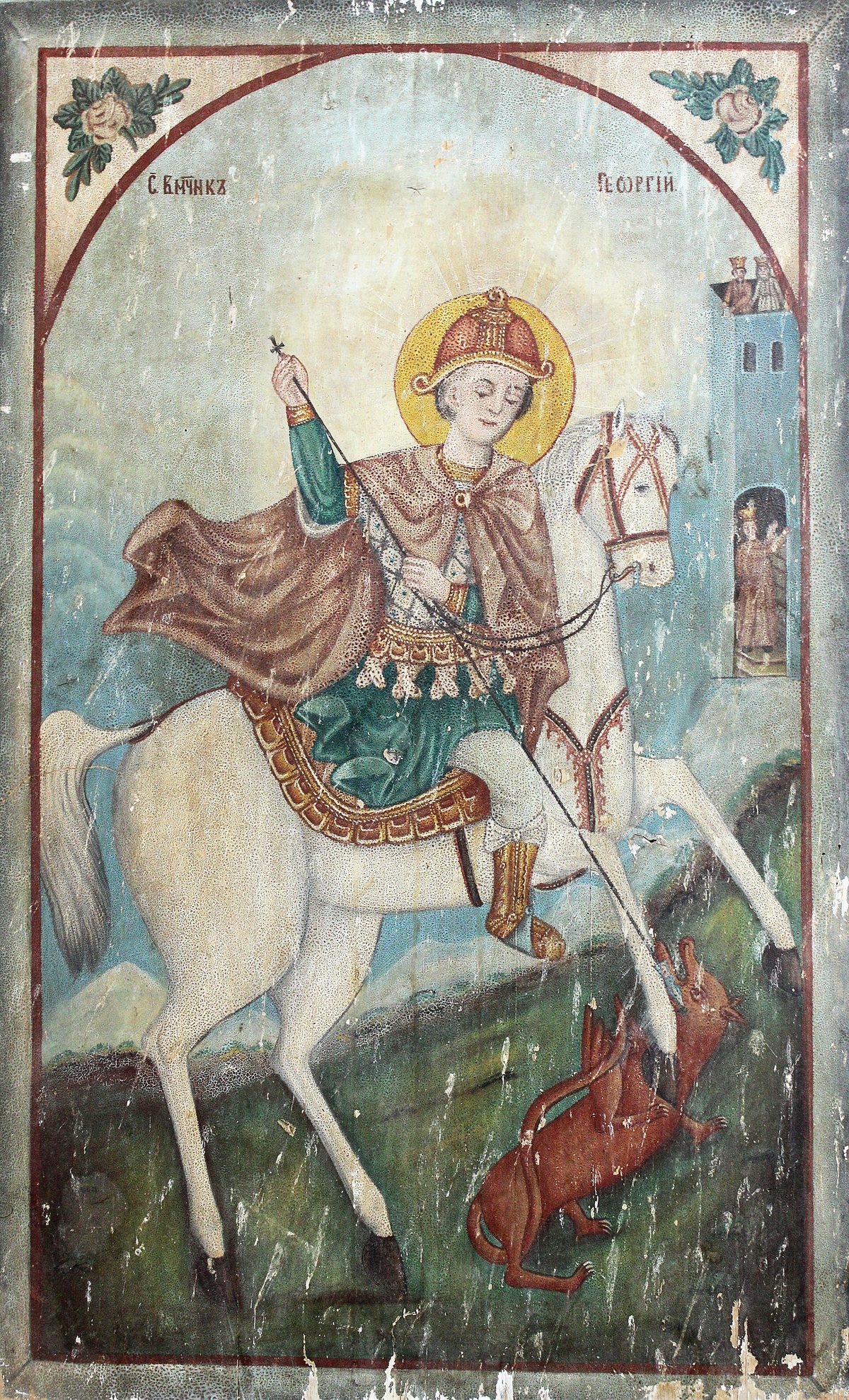
Gergyovden
Bulgaria's spring high feast. George the dragon-slayer is patron of shepherds, the army and farmers, and 6 May is the day flocks were traditionally driven up to summer pasture. Tables groan with roast lamb cooked over an open fire, banitsa, and the year's first lettuce. If a colleague is called Georgi, Gergana or Galya, this is the day a Bulgarian office goes home early.
Names Georgi · Gergana · Galya · Gancho · Ganka
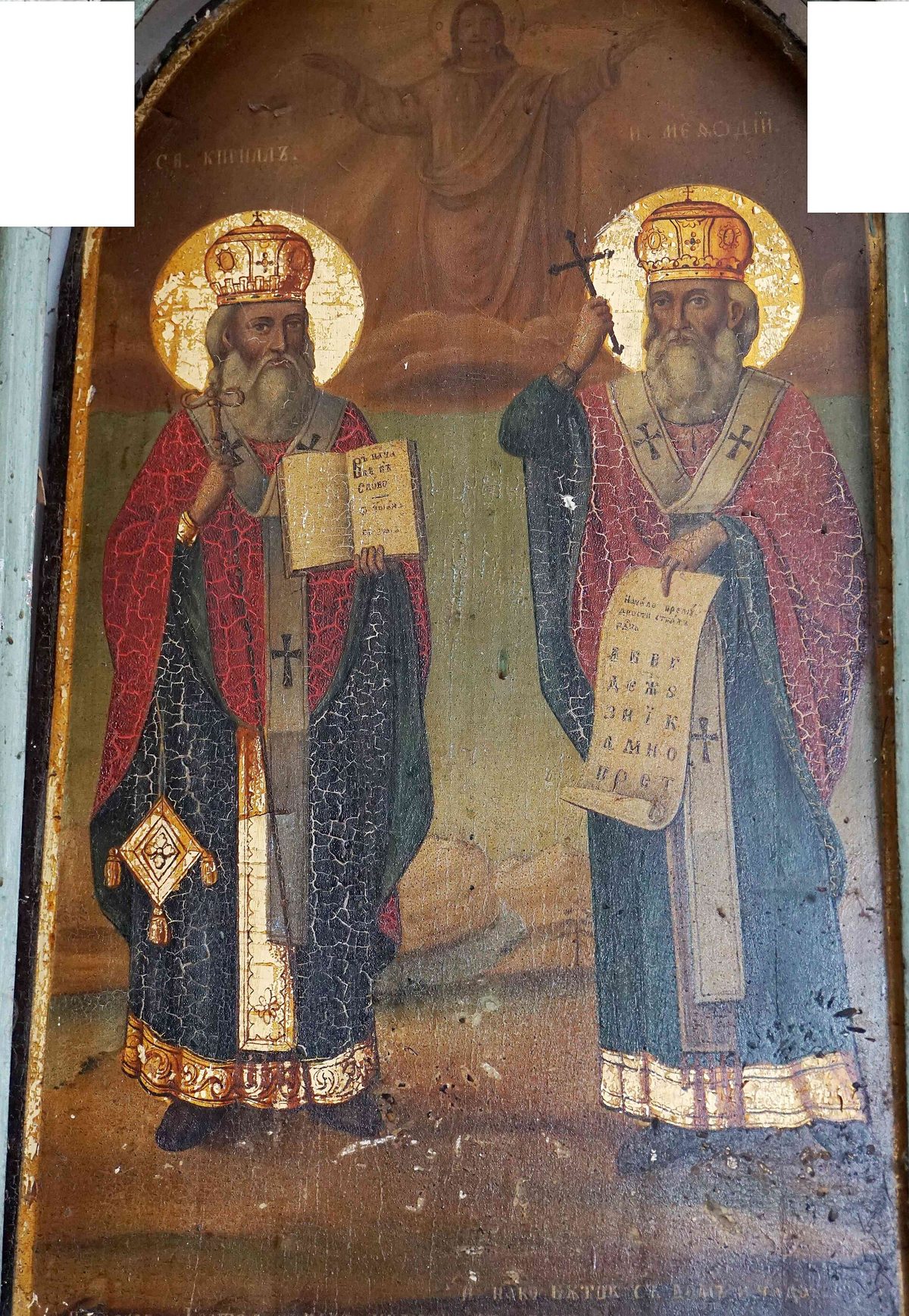
Sveti Kiril i Metodi
The brothers from Thessalonica who created the Glagolitic script in the 860s, the ancestor of Cyrillic. The church feast is 11 May, but the secular celebration, when greetings flow, lands on 24 May: the Day of Bulgarian Education and Culture, with every town hosting a parade of children carrying portraits of the saints. If your accountant, solicitor or any of the older professional class is called Kiril or Metodi, expect their office closed by 11 and a queue at the nearest cafe.
Names Kiril · Metodi · Cyril · Methodi
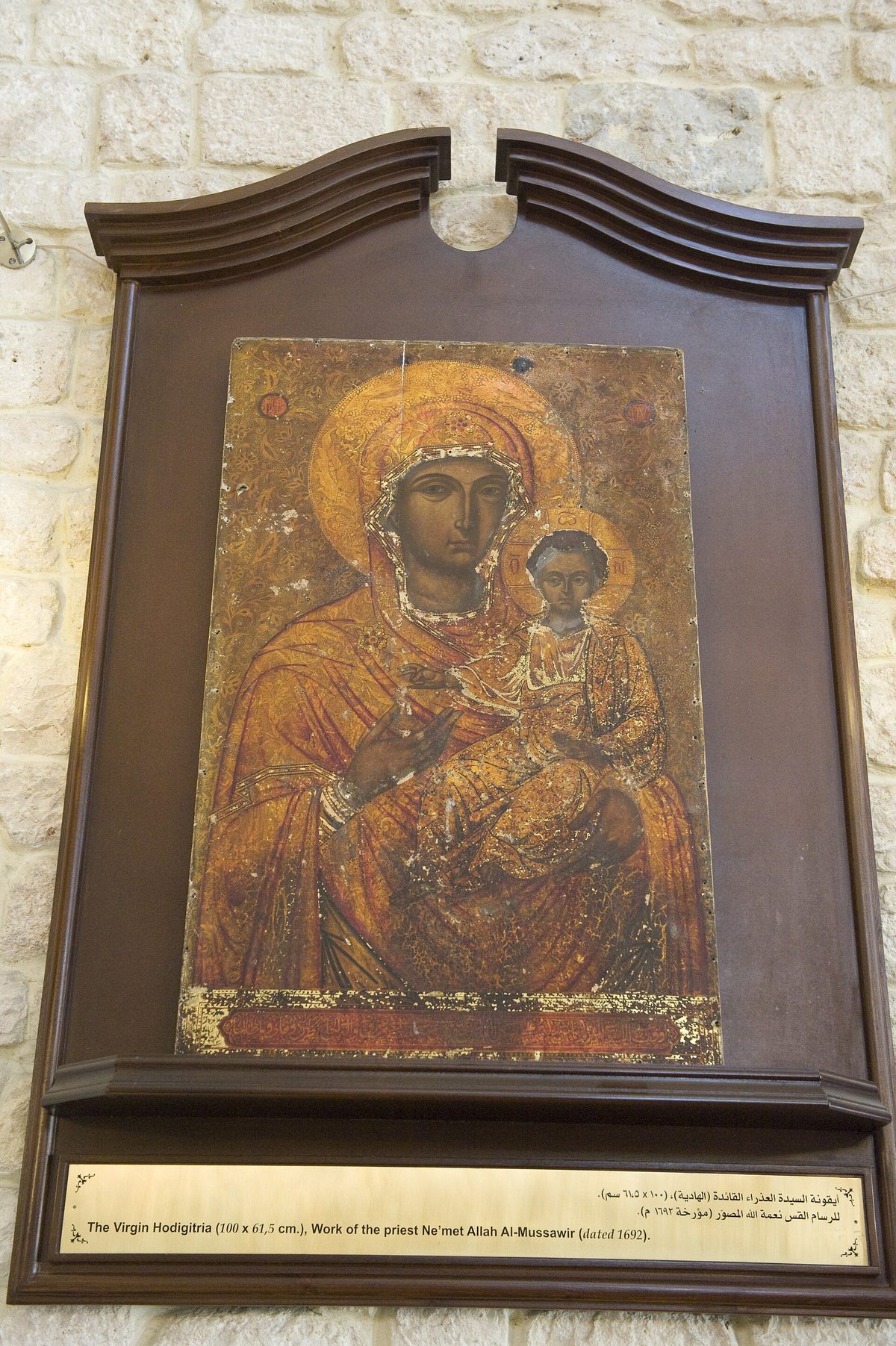
Golyama Bogoroditsa
The year's great Marian feast and the second-biggest single name day after Gergyovden. Pilgrims walk overnight to monasteries dedicated to the Virgin (Rila and Bachkovo run until first light) and farmers traditionally finish the first grape harvest. The fortnight August fast breaks at lunchtime; the meal that follows is the largest gathering of the summer.
Names Maria · Mariana · Bogdan · Bogdana · Bogomil
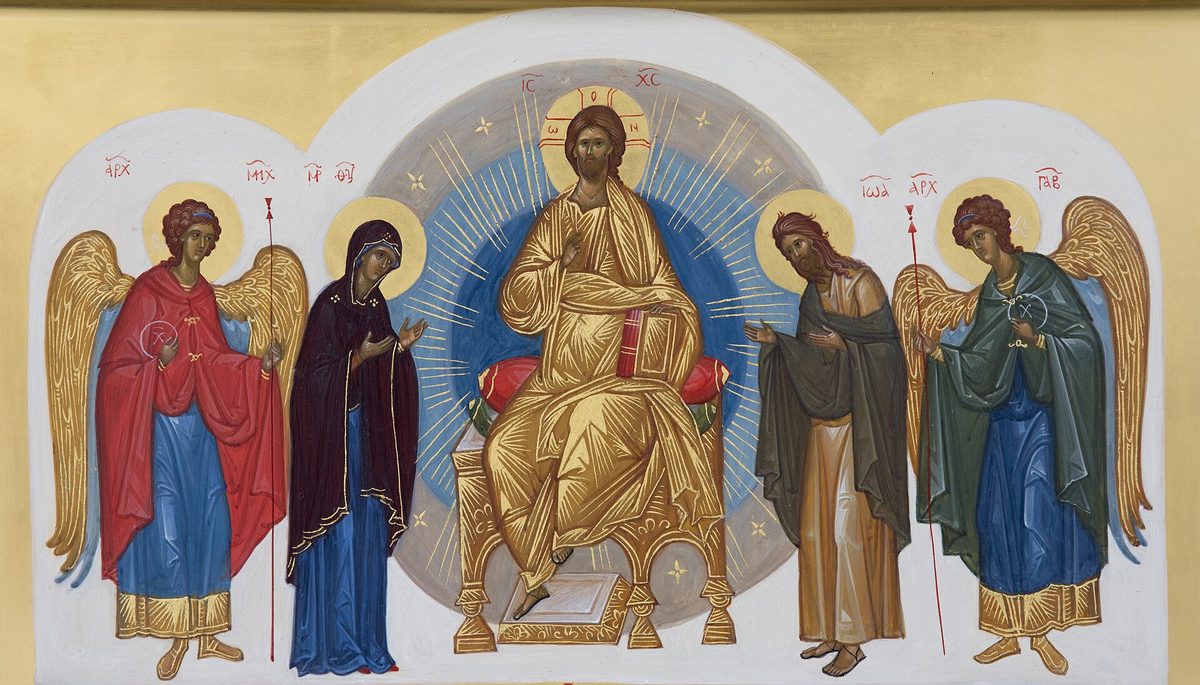
Ivanovden
The day after Yordanovden, and the saint who baptised Christ in the river Jordan. Bulgarians named Ivan, Yoana or Ivanka celebrate today; the day is so widespread that 7 January is effectively a second public holiday in any family with a male relative of that name. The door is open all day to anyone bearing congratulations: bring a small gift and arrive without warning.
Names Ivan · Yoan · Yoana · Ivanka · Vanya · Yana
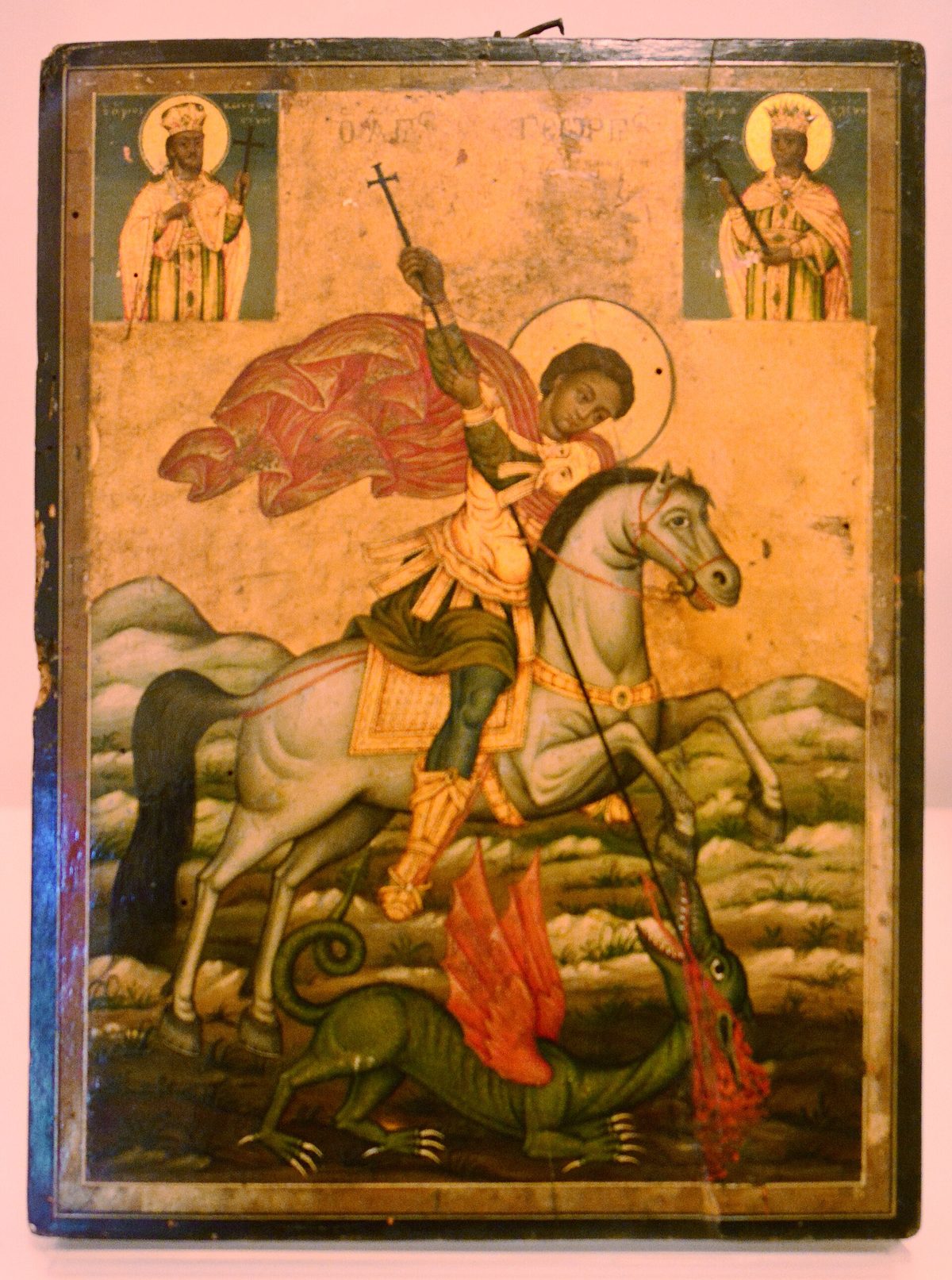
Konstantin i Elena
The Roman emperor who declared Christianity legal in 313 and his mother who walked to Jerusalem to find the True Cross. The day is best known in Bulgaria for the Nestinari, barefoot fire-walking ceremonies that survive in a handful of Strandzha villages. The double name day means twin celebrations: in many families a Kostadin and an Elena are toasted at the same table.
Names Konstantin · Kostadin · Elena · Elenka
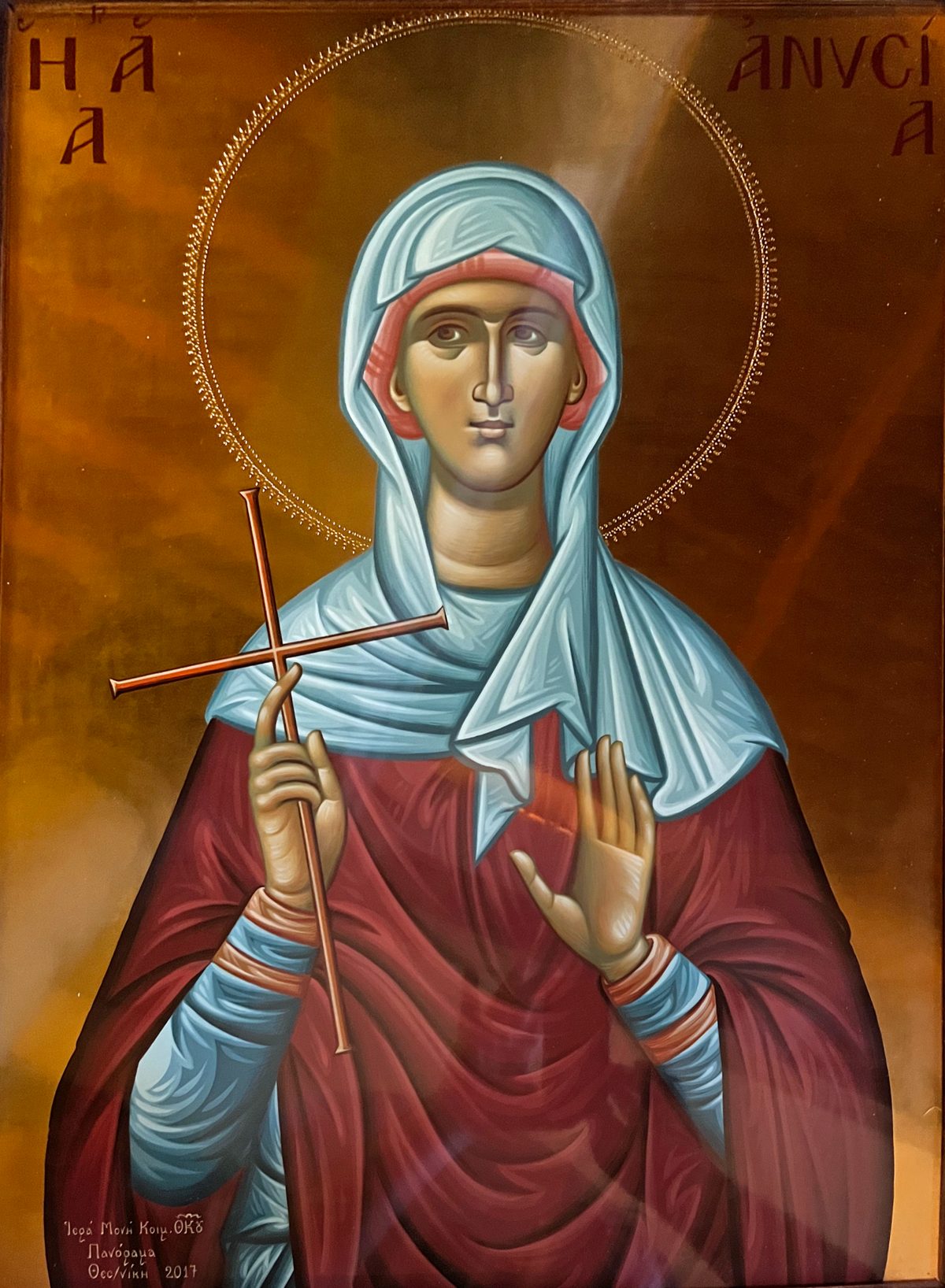
Dimitrovden
The autumn pole, six months exactly after Gergyovden, traditionally closing the agricultural year. Shepherds bring flocks down from summer pasture; rural rents and seasonal contracts were once paid out today. The first snow is said to fall as Saint Demetrius's beard. Almost every Bulgarian family has a Dimitar: expect the same office logistics as Gergyovden, in reverse.
Names Dimitar · Dimitrina · Mitko · Mitka · Dimo
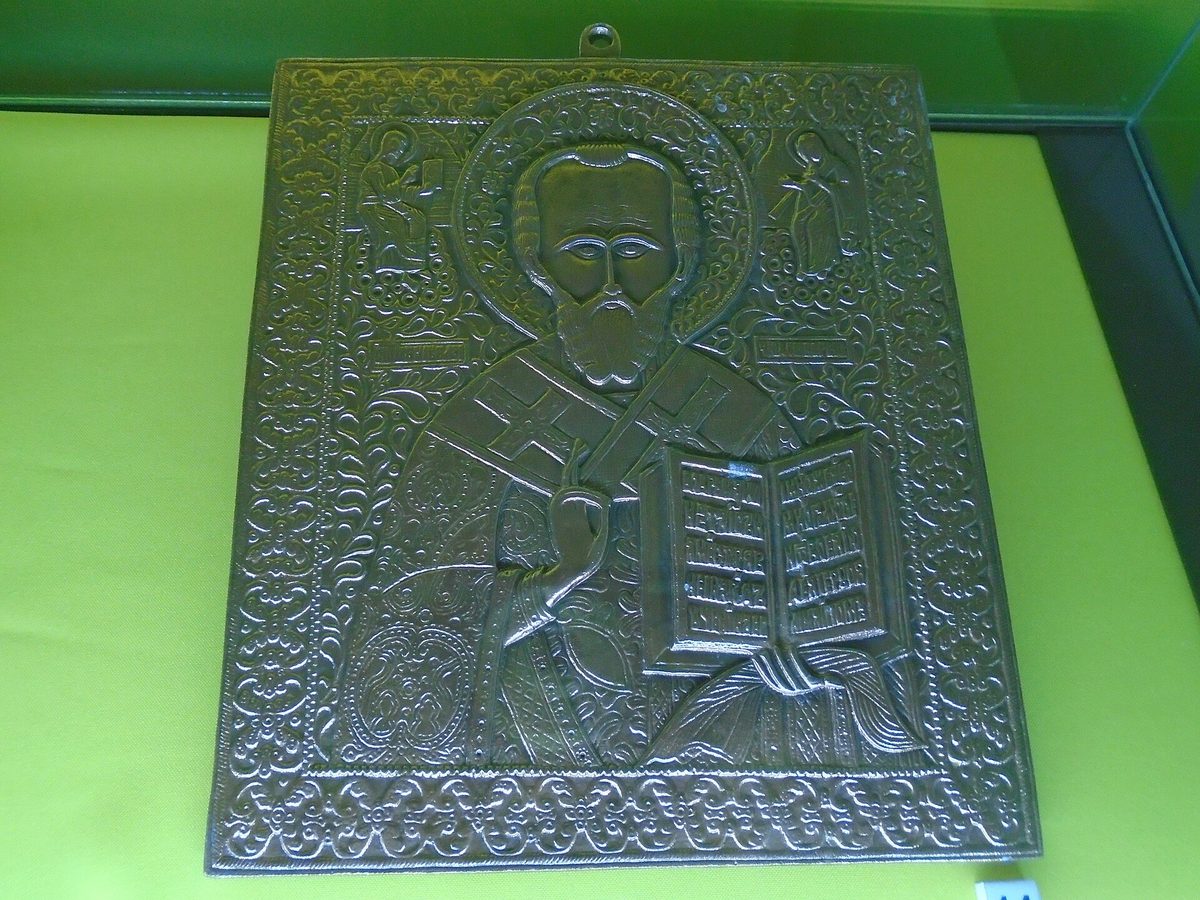
Nikulden
The patron of fishermen, sailors and bankers, and the first of the great Christmas-cycle name days. The table centrepiece is a carp baked in dough, the ribarnik, which on the Black Sea coast is virtually compulsory. Many a Bulgarian Nikolay quietly fields more visitors today than on his actual birthday, and 'Chestit imen den' is the only acceptable opening line.
Names Nikolay · Nikola · Nina · Nikolina
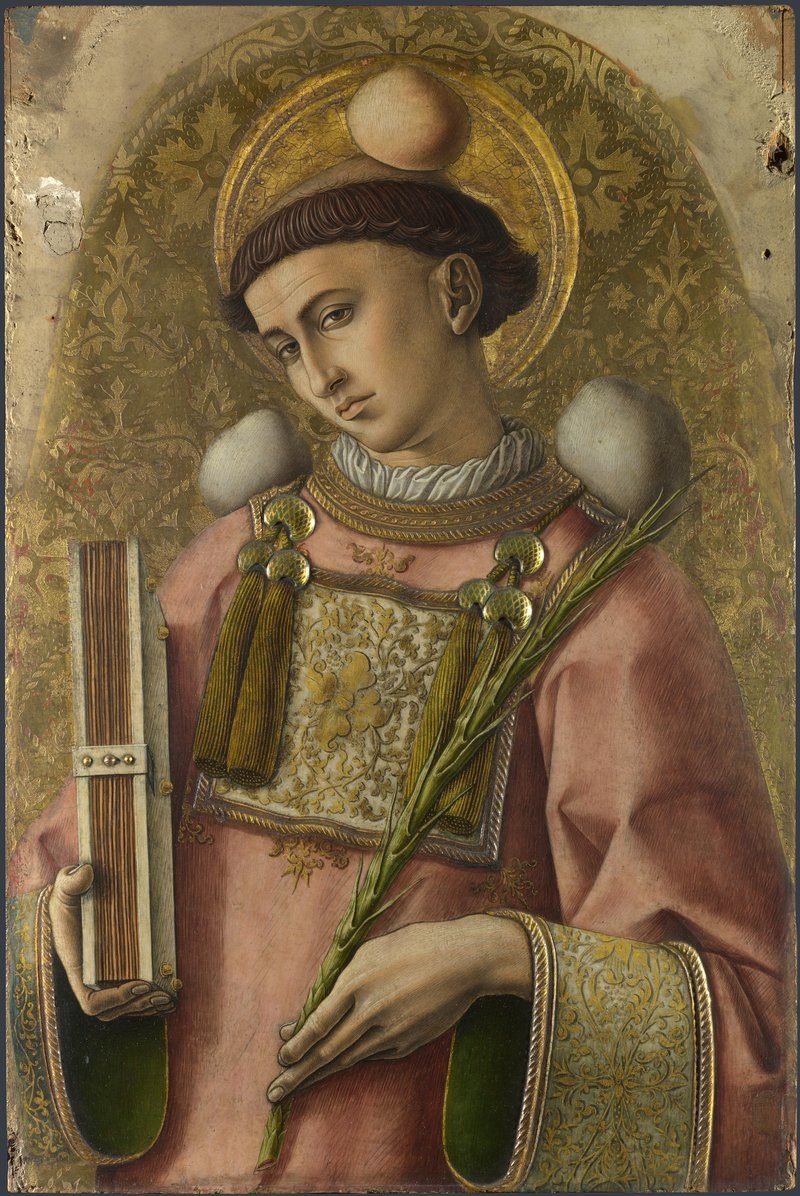
Stefanovden
The first Christian martyr, and the closing name day of the Christmas cycle. Two days after Christmas, Stefanovden is a smaller, indoor affair than the great summer feasts, but inflexibly observed: every Bulgarian Stefan or Stefka expects the phone call. The food is what's left of Christmas, served with the year's first batch of mead.
Names Stefan · Stefka · Stefcho · Stefani
The other twelve
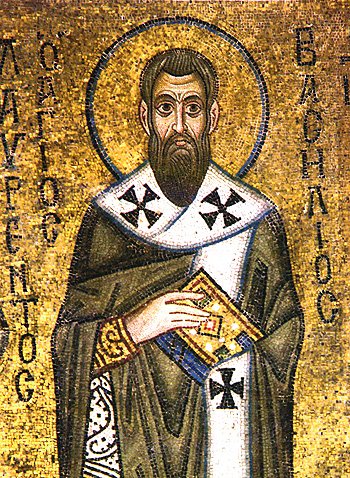
1 January · Vasilyovden
Fourth-century theologian and liturgist whose feast opens the Bulgarian year. New Year traditions like the survakane, when children gently strike elders with a decorated dogwood branch for luck, fold neatly into his day.
Names Vasil · Vasilka
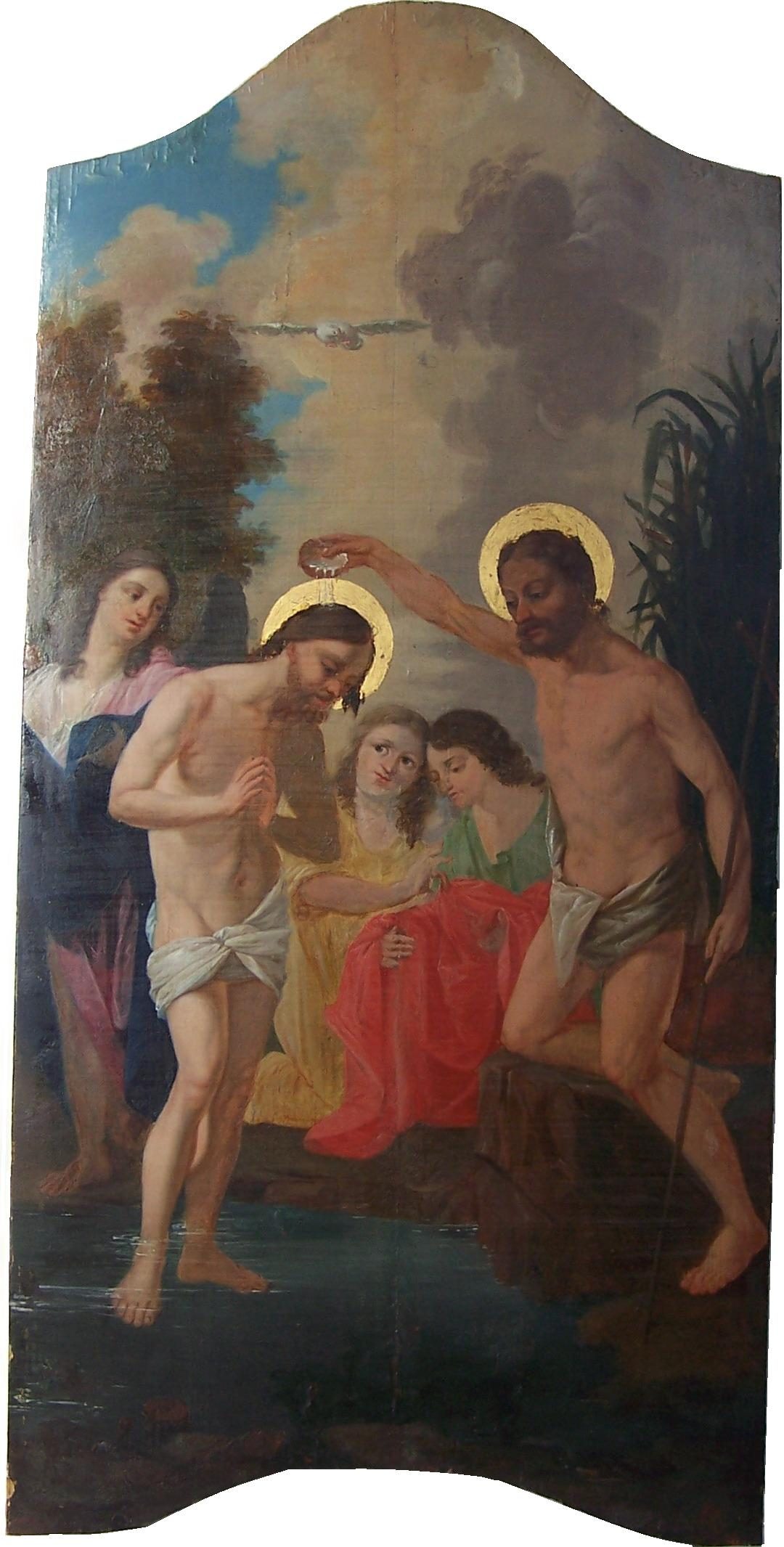
6 January · Yordanovden / Bogoyavlenie
The day priests bless the year's waters: a wooden cross is thrown into the river or sea, and the men of the village dive to retrieve it. The catcher's family is said to have a year of good fortune.
Names Yordan · Yordanka · Bogdan · Boyan
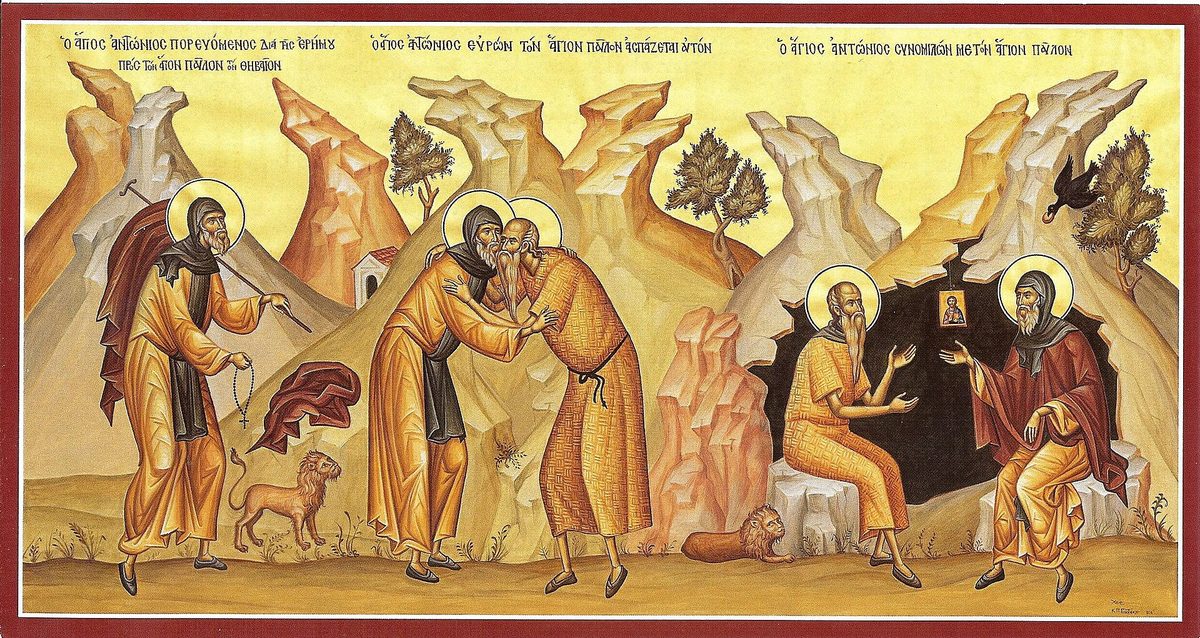
17 January · Antonovden
The Egyptian desert father, founder of Christian monasticism. In Bulgaria his day forms a paired feast with Atanasovden the following day, both popularly linked to mid-winter health and household protection from sickness.
Names Anton · Antoniya · Doncho · Donka
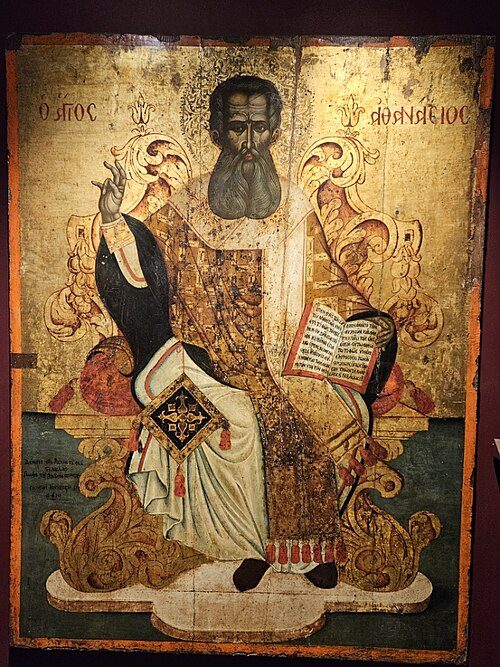
18 January · Atanasovden
Fourth-century defender of orthodox Christology. The day is said to mark the back of winter, when Athanasius is folklorically pictured rolling up his sleeves and announcing that summer is on the way.
Names Atanas · Atanaska · Nasko · Tanyo
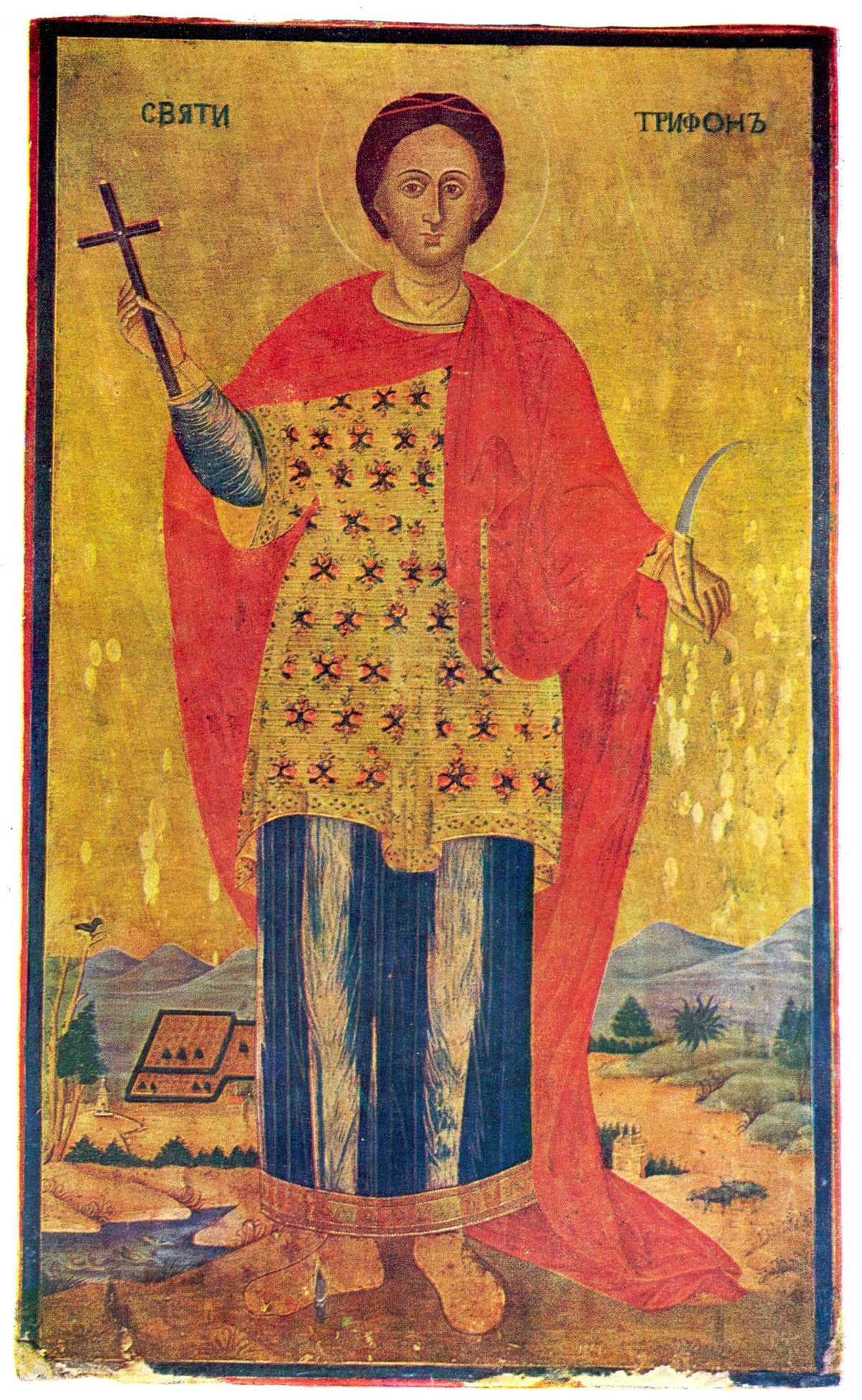
1 February · Trifon Zarezan
Patron of vine-growers. On Trifon Zarezan men gather in vineyards to ritually prune the first vines and drink the previous year's wine; the cellar tradition is still alive in every wine-growing region.
Names Trifon · Trifonka · Lozan · Loza
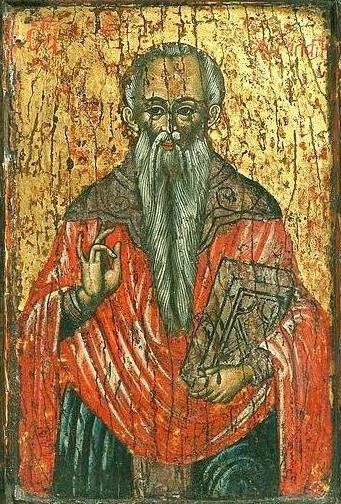
10 February · Haralampyovden
Second-century bishop and martyr, popularly invoked against plague. In Bulgarian folk practice Haralampi is patron of beekeepers: honey is blessed and shared in his memory, and the day quietly absorbs Valentin and Valentina too.
Names Valentin · Valentina · Valya · Lambi
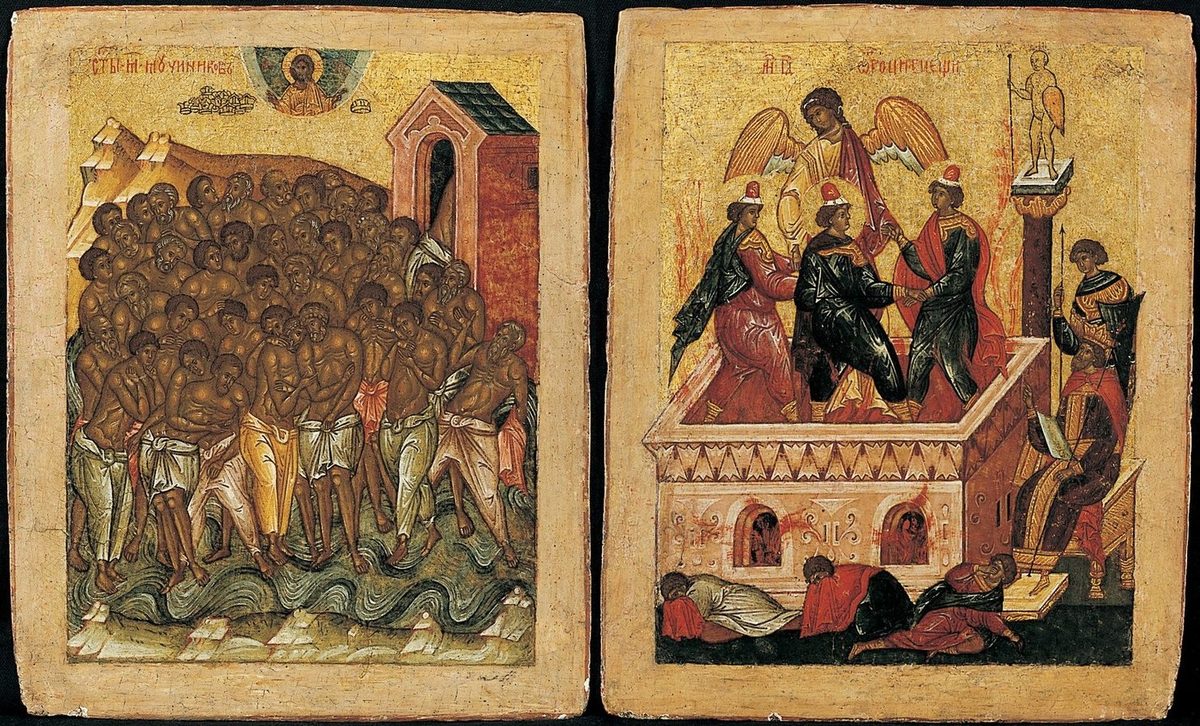
9 March · Mladentsi
Roman soldiers from Sebaste who were martyred on a frozen lake in 320 AD. In Bulgaria the day is the first to feel like spring; folk custom requires forty small actions: forty steps barefoot, forty sips of wine, forty buds counted on the apricot.
Names Mladen · Mladenka
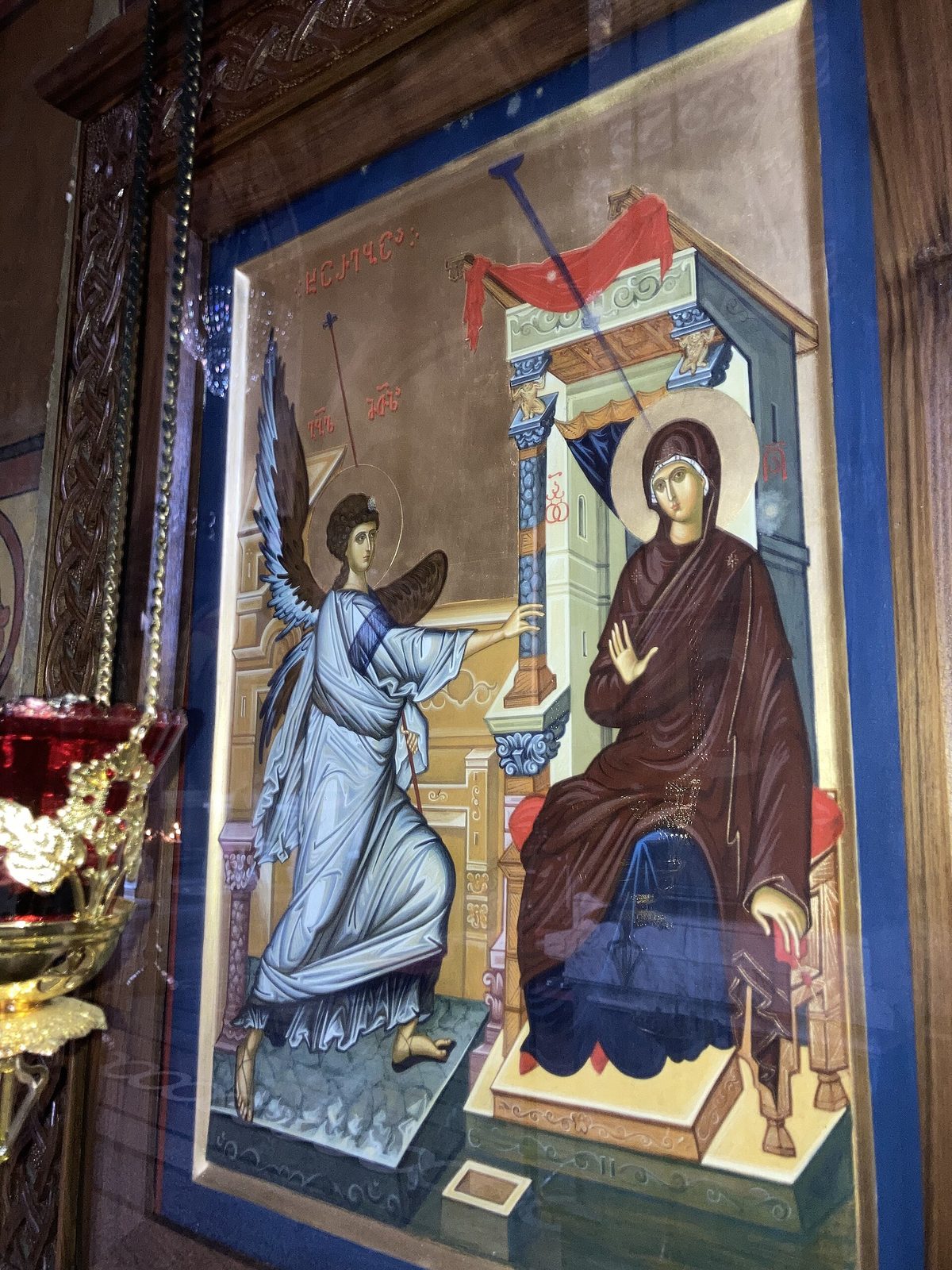
25 March · Blagoveshtenie
The angel Gabriel's announcement to Mary, traditionally the day Bulgarian women plant the year's first garden. Children scatter walnut shells in the fields to keep snakes away; the meal is meatless and simple.
Names Blagovest · Blagovesta · Blaga
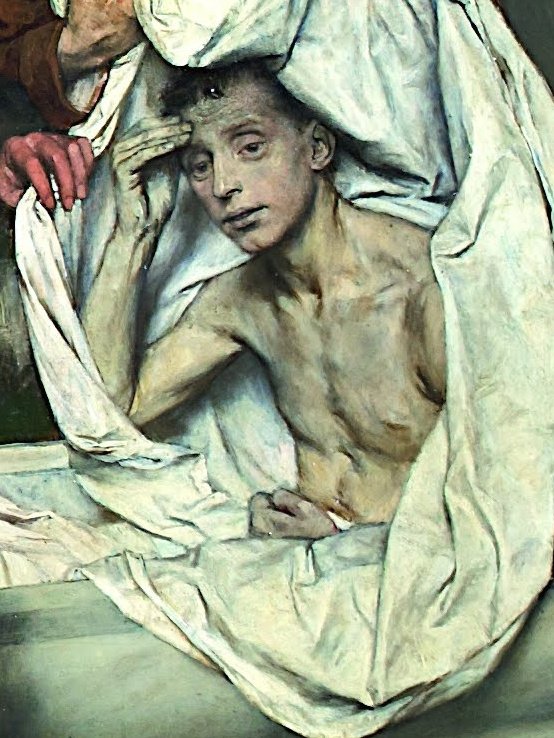
Movable · Saturday before Palm Sunday
The Saturday before Easter when girls in folk dress, the lazarki, sing house-to-house. The songs ask blessings for the household: a good harvest for the farmer, a kind husband for the daughter, a safe year for the family. In return the visited family gives eggs, money or sweets, and the eggs are saved to be dyed red the following day for Easter. Still alive in the villages of Plovdiv, Pleven and the Rhodopes.
Names Lazar · Lazarina
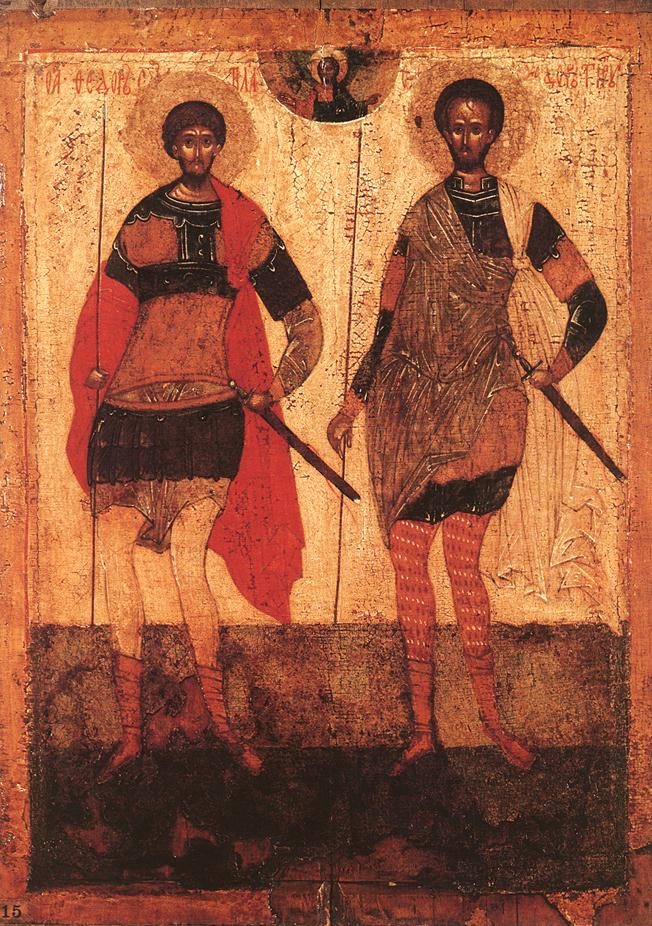
Movable · First Saturday of Lent · Todorovden
The horseman saint, celebrated as Todorovden on the first Saturday of Great Lent. Villages still hold the kushii, ritual horse races where the winning rider parades around the village with a wreath, and brides married in the past year throw bread and small gifts to the horses. The traditional dish is boiled wheat (varivo) blessed in church and shared with neighbours.
Names Todor · Teodor · Todorka · Teodora
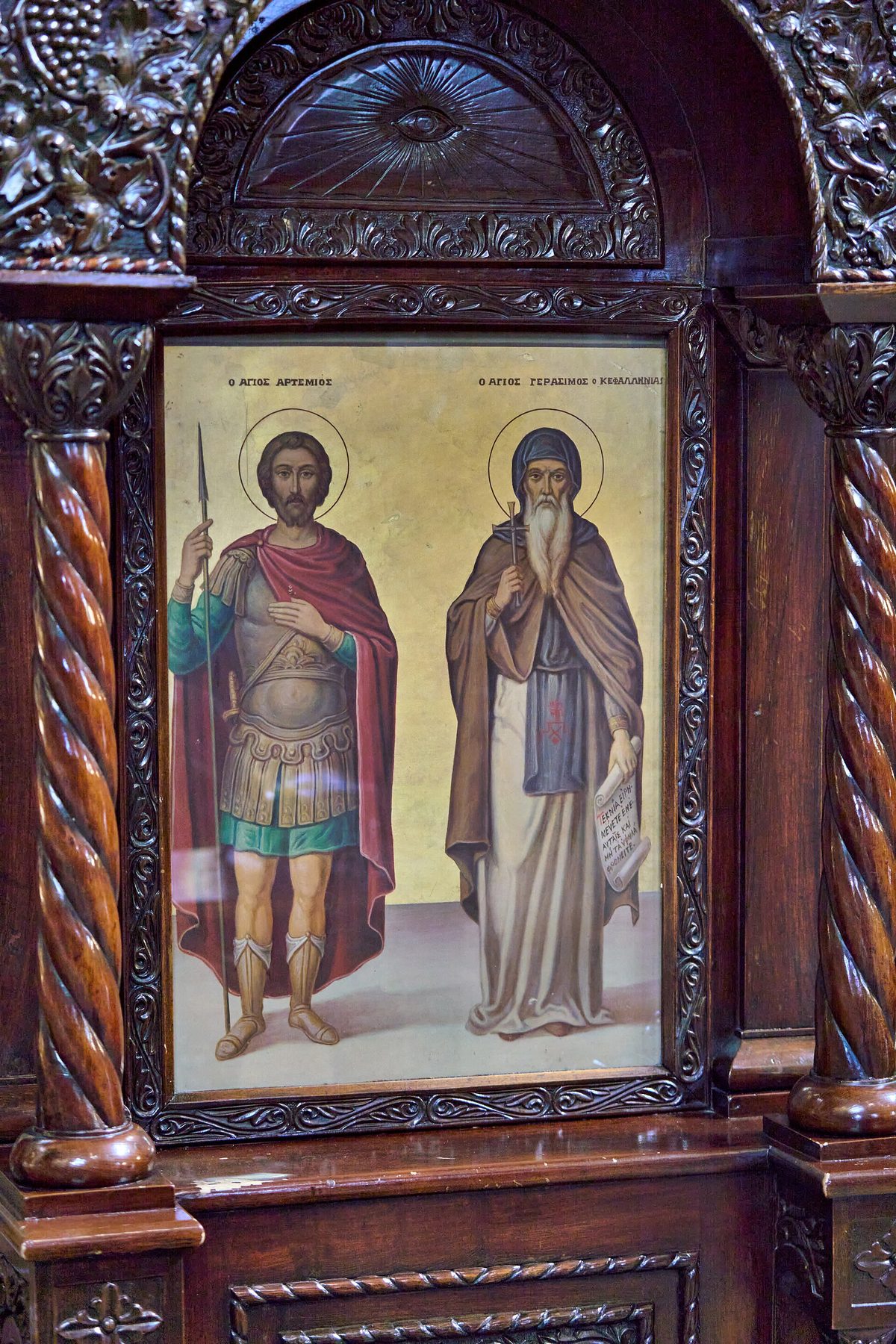
17 July
Third-century martyr venerated as protector against snake bite and stomach illness; tradition forbids work in the fields on her day for fear of the snake's strike.
Names Marina · Margarita
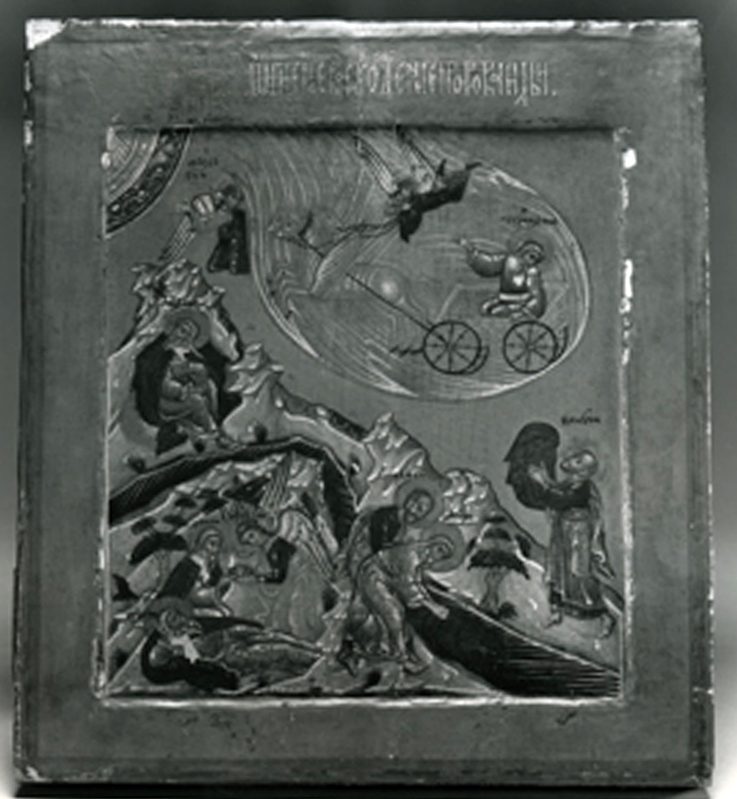
20 July · Ilinden
The Old Testament thunder-prophet, said in Bulgarian folklore to ride a fiery chariot across the summer sky. Thunder on his day means apples; hail is the prophet's anger. The day is heavy with summer storms.
Names Iliya · Iliyana · Ilin · Ilka
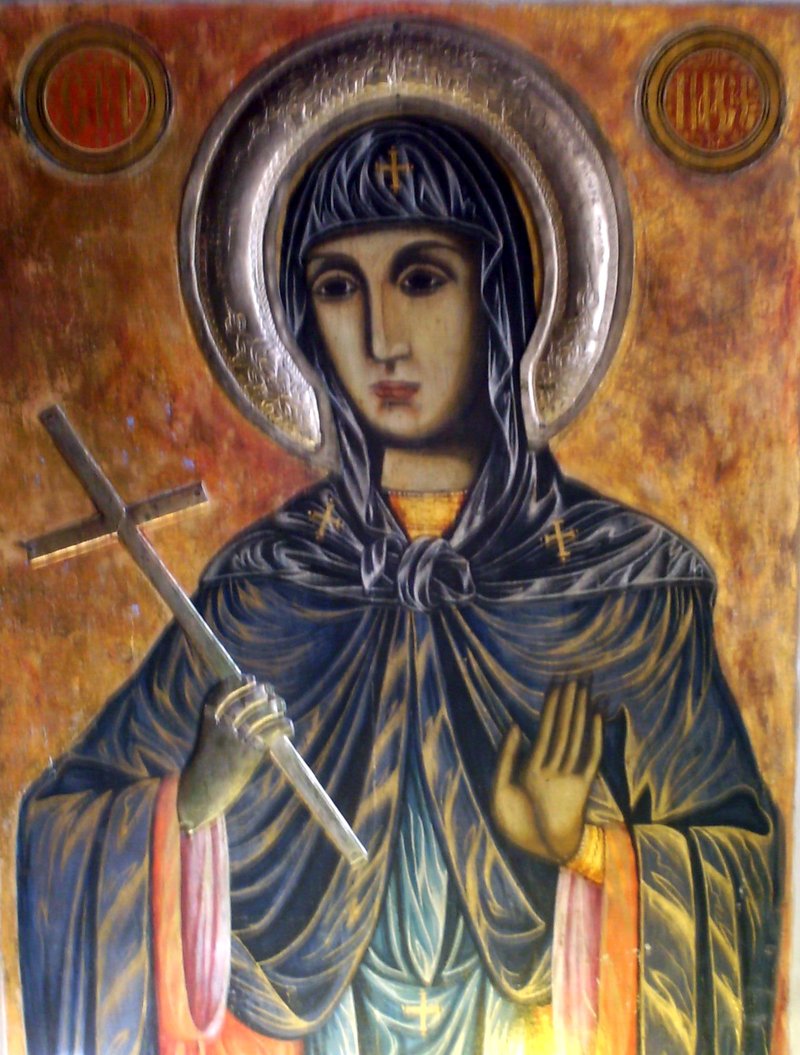
14 October · Petkovden
Eleventh-century Bulgarian saint of Epivates, patroness of weavers and household women. Her relics rest in the Patriarchal Cathedral in Iasi; she is one of the most widely venerated female saints in the Balkans.
Names Petka · Paraskeva · Petya · Petko
The questions British expats most commonly arrive at after their first year of encountering name days.
In practice, every Bulgarian celebrates one, religious observance has almost nothing to do with it. The names themselves are saints' names by historical accident; whether the bearer attends church or not, the name day is part of the secular cultural calendar. Even committed atheists from the communist generation will accept "chestit imen den" greetings without irony.
Sort of. If your name has a clear saint equivalent in the Orthodox calendar (Andrew, Catherine, Peter, John, Helen, Michael, Mary, Anne), Bulgarians will assign you that saint's day and greet you accordingly. If your name is genuinely outside the Orthodox tradition (Brandon, Aiden, Tyler, Ashleigh, Demi), most Bulgarians will look slightly puzzled and default to your birthday for greetings. A few will mark Vsi Svetii / All Saints' Day (the Sunday after Pentecost) as the umbrella feast for everyone else.
Whichever the family has always observed. A handful of names have two candidate dates, Ivanovden falls on both 7 January (Synaxis of John the Baptist) and 24 June (Nativity of John the Baptist, also Enyovden); some Mariyas observe both 15 August (Golyama Bogoroditsa, the Dormition) and 8 September (Malka Bogoroditsa, the Nativity of the Mother of God). Ask the celebrant rather than guessing. They will not be offended, and "which day does your family keep?" is a perfectly normal question even between Bulgarians.
The day is observed on the day. Bulgarians do not move name days to the nearest Saturday the way British workplaces sometimes move birthday celebrations. A 7 January Ivanovden lands on whatever day of the week it falls on, and the cake circulation, phone calls, and family lunches happen that day. Monday Ivanovden lunch starts at 12:30, everyone is back at their desk by 14:30, and that is normal.
It is enough. Bulgarians sometimes append health wishes ("zdrave i mnogo godini", health and many years) or "vsichko nay-hubavo" (all the best), but the core greeting is fine on its own. If you want to escalate slightly: "Da si zhiv i zdrav" (be alive and healthy) is warm and traditional, particularly for older relatives.
Because the cluster system means one saint's feast generates a family of culturally-derived given names: the formal name, its feminine form, regional diminutives, and historical variants. Konstantin & Elena on 21 May covers nearly twenty separate first names. The list looks long, but it is one feast, not twenty. Knowing this is the single best decoder ring for the Bulgarian name-day calendar.
Almost never. Only Gergyovden (6 May) is a public holiday, and that is because it is the Day of the Bulgarian Armed Forces, not because it is Georgi's name day. Cyril and Methodius on 24 May is a public holiday because it is the Day of Bulgarian Education and Culture, again, not because it is Kiril's name day. Banks, government offices, schools, and shops operate normal hours on all other name days. The celebration is social, not statutory.
The resort, tucked between Varna and Golden Sands, is named for Saints Constantine and Helena, whose feast falls on 21 May. The original monastery on the site (still there, behind the hotel buildings) is the reason the name stuck. Every Konstantin and every Elena in Bulgaria celebrates that day. Mention this to a Bulgarian colleague named Elena or Konstantin on 21 May and you'll get a delighted reaction; most British visitors stay there for a week without ever clocking the connection.
Use the Quick Start panel at the top of the calendar above to add the 8 must-have name days to Google Calendar in one click each (Ivanovden, Yordanovden, Gergyovden, Petrovden, Bogoroditsa, Dimitrovden, Nikulden, Stefanovden). Those cover roughly 80% of office celebrations. For the rest, the "Add" button next to every row in the calendar table sets up an annually-recurring reminder with the saint, the list of celebrants and the standard greeting baked into the event description. Facebook's birthday-and-name-day surface is also unusually useful in Bulgaria, most colleagues' name days appear in your feed as reminders.
For practical Bulgarian phrases including the greeting "честит имен ден" and dozens of other conversational anchors, see the Shumen.UK phrasebook. For an overview of Bulgaria's cultural calendar including the festivals layered on top of the name-day system, see the cultural calendar. For a long-term view of how to live well in Bulgaria as a British expat, the full guides hub brings everything together.
This guide cross-references the Bulgarian Orthodox Church liturgical calendar (bg-patriarshia.bg), Nestful's Bulgarian name-days calendar, Imen-den.net, and Wikipedia's entries for each saint and each major Bulgarian historical figure named. Saint hagiography draws on Butler's Lives of the Saints and the Eastern Synaxarion; Bulgarian folk overlay draws on Dimitar Marinov's Folk Faith and Religious Customs and Hristo Vakarelski's Ethnography of Bulgaria. Where Orthodox liturgical and folk-calendar sources disagreed (the 1 vs 14 February Trifonovden split, 11 vs 24 May Cyril & Methodius), the Orthodox liturgical date is given as primary with the folk / civic alternative noted in context.
Last reviewed May 2026.