
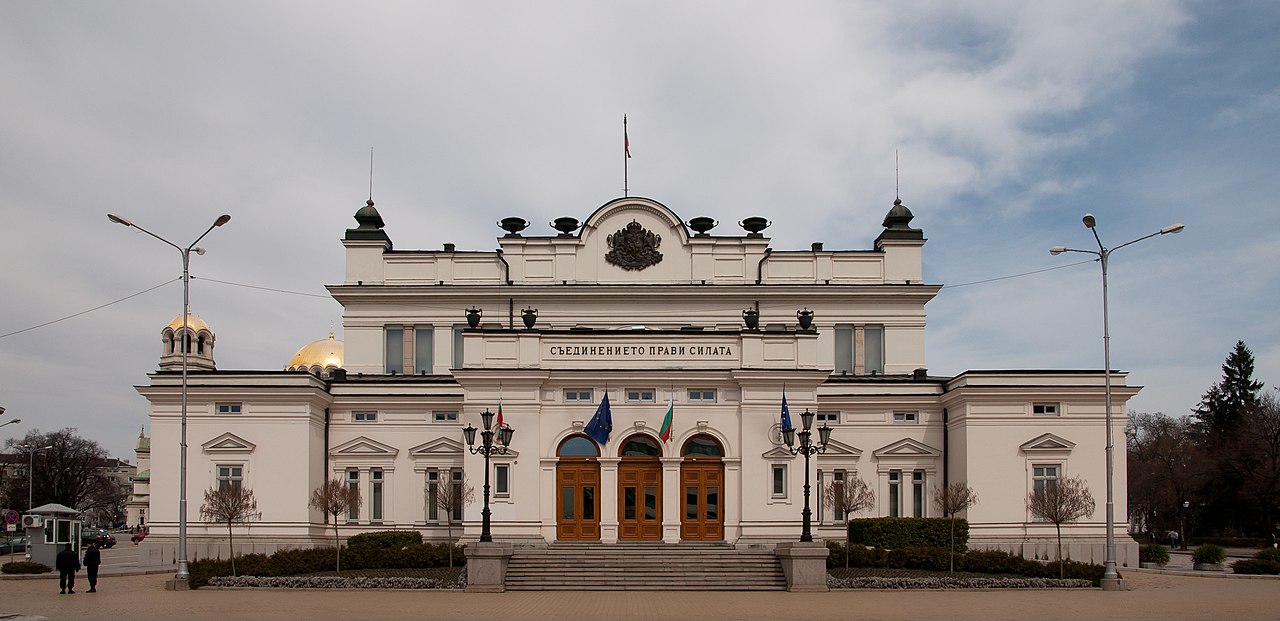
Early turnout figures from Bulgaria’s snap parliamentary election suggest Sunday has drawn a more active start than the last comparable vote, with participation reaching 22.7% by 1.30pm and 25.9% by 2pm, according to data cited by bTV from Market LINKS and by Trend respectively.
That matters because Bulgaria has become rather too familiar with repeat trips to the ballot box, and higher turnout is often read as a sign that more voters think this round may actually matter. A low bar, perhaps, but still a bar.
What happened
The election is for Bulgaria’s 52nd National Assembly, with 240 seats up for grabs.
According to the figures reported during the day, turnout was running clearly ahead of the same point in 2024, when participation was said to be below 20% by mid-afternoon. The current numbers are still provisional and based on early monitoring and exit-poll reporting, not final official results.
Polling stations opened at 7am and are scheduled to close at 8pm. The Central Election Commission has said voting can continue until 9pm if people are still queueing at closing time.
The scale of the vote
More than 6.6 million people are eligible to vote.
Across Bulgaria, nearly 12,000 polling stations are operating. In 9,354 of them, voters can choose between:
- a machine vote
- a paper ballot
The field is crowded even by Bulgarian standards.
A total of 4,786 candidates from 24 political formations are contesting the election. That includes 14 parties and 10 coalitions competing for those 240 parliamentary seats.
Why the turnout matters
Early turnout is not the same thing as final turnout, and election-day surges can flatten later on. Even so, the midday and early afternoon figures point to stronger mobilisation than in the previous parliamentary contest.
That may reflect sharper voter interest in a snap election held against a backdrop of prolonged political instability. Bulgaria has spent several years cycling through fractured parliaments, caretaker arrangements and difficult coalition maths. It is not the sort of political tradition most people would willingly invent.
If the stronger pace continues into the evening, overall turnout could end up comfortably above recent levels. That would not, by itself, guarantee an easier path to government formation, but it would give the result a broader voter base.
Why it matters for British readers in Bulgaria
British expats in Bulgaria cannot vote in Bulgarian parliamentary elections unless they also hold Bulgarian citizenship. But the practical effects of election day can still be felt.
Depending on where you are, that can include:
- heavier police presence around polling stations
- busier local administration buildings and schools used as voting sites
- temporary queueing or minor access disruption in town centres
- slower political decision-making if the result again produces a fragmented parliament
For British business owners, property buyers and long-term residents, turnout is one of the early indicators watched for signs of whether the next parliament may be more stable than the last one. It is not a crystal ball. It is just one of the few numbers available before the arguments begin in earnest.
What happens next
The first projected results are expected after polls close on Sunday evening.
Those initial projections will show the likely balance of forces in the next parliament, but coalition negotiations are likely to matter as much as the raw vote totals. In Bulgaria, election night usually answers one question and creates three more.
For now, the main confirmed picture is straightforward: voting has been brisker than at the same stage in the previous election, and officials are pressing on with a nationwide poll involving millions of voters and thousands of ballot stations.