
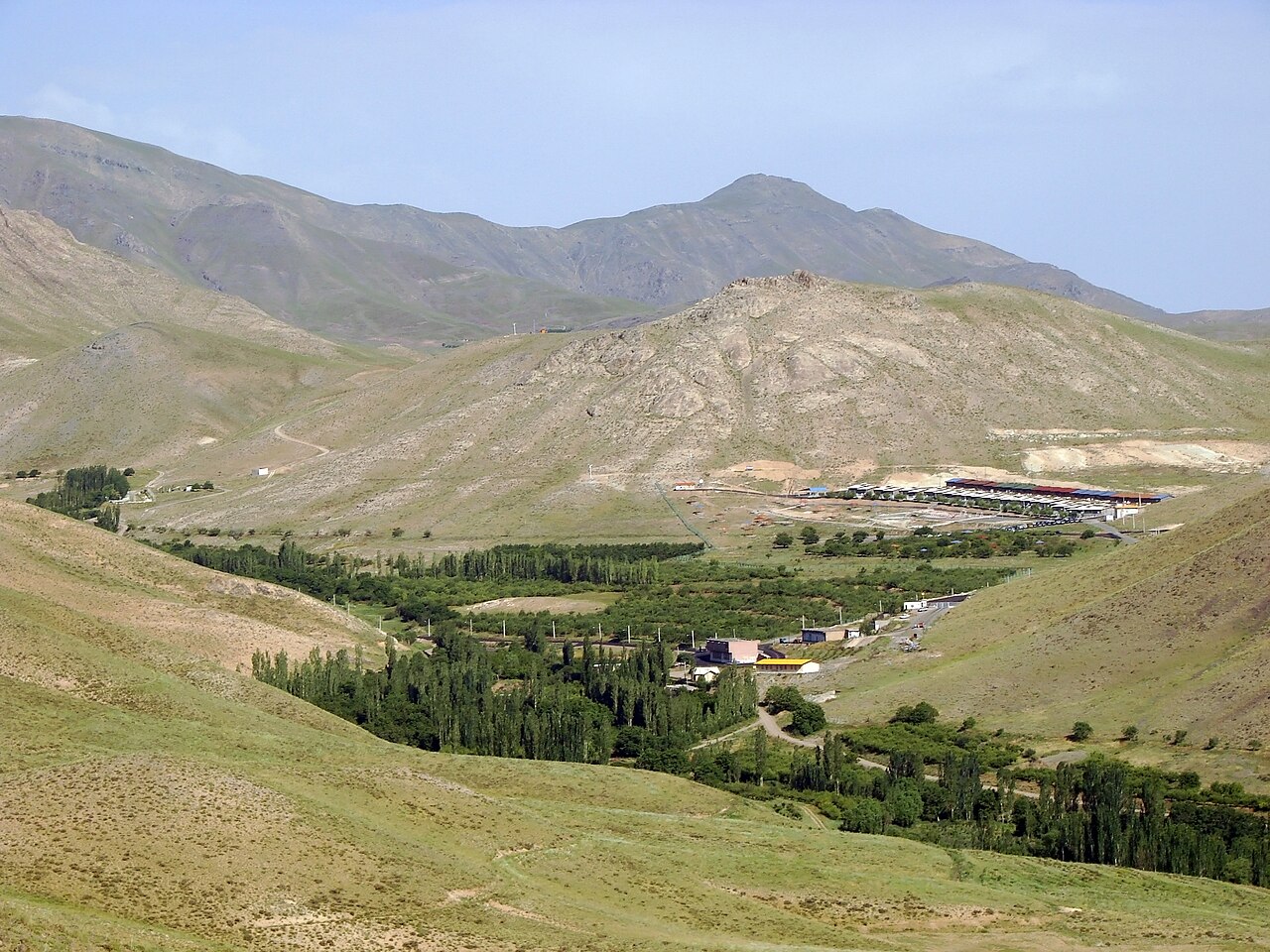
A tourist has died after being struck by lightning during a thunderstorm on Mount Kom, while another person suffered serious injuries, according to the Mountain Rescue Service of the Bulgarian Red Cross, cited by BTA.
The rescue service said the alert was received at 2.20pm on Sunday 19 April. Two people were hit during a sudden storm in the area.
What happened
According to rescuers, one of the injured managed to descend to a nearby mountain hut and report what had happened. He suffered burns and received medical assistance.
A rescue team was dispatched to the scene. The Mountain Rescue Service thanked Bulgaria Heli Med Service, whose helicopter helped transport rescuers and equipment close to the location.
The confirmed facts end there. The names, ages and nationalities of those involved have not been released, and no further medical details about the injured person had been made public at the time of publication.
A hard reminder about mountain storms
The rescue service said the incident came amid unstable weather conditions, with afternoon thunderstorms and rapidly changing weather forecast in the mountains.
That matters because on exposed terrain, a storm is not just inconvenient. It can turn lethal with very little notice.
For British expats and visitors heading into Bulgaria’s mountains, the lesson is straightforward enough: if thunderstorms are in the forecast, ridges and summits are a poor place to be proving your optimism.
Why this matters to British hikers in Bulgaria
Mount Kom is a known walking destination, and incidents like this are a reminder that Bulgarian mountain weather often behaves more sharply than many people expect.
The broader risk is well understood, but no official historical lightning figures were included in the information released about this case. What is clear from the rescue report is that sudden storms in the mountains are a recurring hazard, especially when conditions are unsettled.
For British hikers, the practical point is less about drama and more about timing:
- start early if the route includes exposed sections
- check the latest mountain forecast before setting off
- avoid ridgelines and summits if thunderstorms are possible
- know where the nearest hut or descent route is before you need it
- carry a fully charged phone, water and an extra layer
British travel advice and common-sense planning
UK government travel advice for Bulgaria generally urges travellers to stay aware of local conditions and follow the instructions of local authorities. For anyone planning a hike, that translates into fairly plain common sense: check the weather properly, do not underestimate local terrain, and have a route plan that does not depend on the weather being kind.
If conditions are unstable, the safest decision may simply be not to press on. There is no heroic value in arguing with a mountain storm.
How the rescue response worked
This case also underlines the role of Bulgaria’s mountain rescue system in difficult terrain. The Mountain Rescue Service coordinates rescue operations in remote areas, but mountain incidents are still shaped by realities that do not care much for urgency:
- weather
- terrain
- visibility
- how quickly rescuers can reach the site
In this incident, helicopter support from Bulgaria Heli Med Service helped get rescuers and equipment closer to the scene. That can make a significant difference, but it does not remove the limits imposed by storms and mountain terrain.
What remains unclear
At the time of publication, officials had not said:
- who the dead man was
- whether either casualty was Bulgarian or foreign
- the age of the victims
- any further medical update on the survivor
Those gaps matter, especially for families and for anyone trying to understand the full picture. For now, though, the central fact is already clear enough: a walk on Mount Kom ended in tragedy after a sudden lightning strike during severe weather.