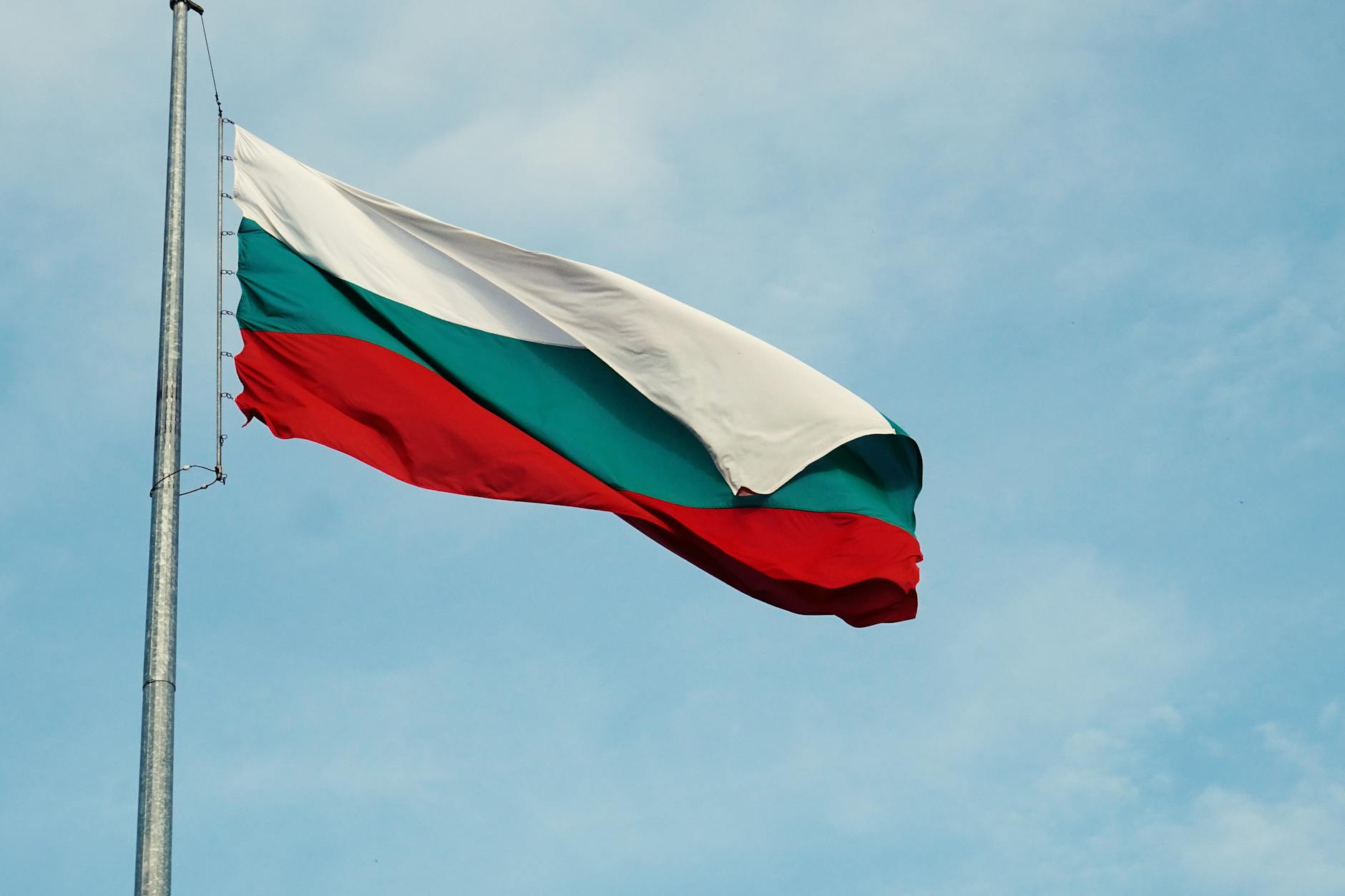
As we move into May, the Bulgarian calendar starts to look remarkably festive. For those of us used to the occasional British Bank Holiday, Bulgaria’s approach to May is a marathon, not a sprint, kicking off with a double-header of public holidays and historical milestones.
If you are currently living in Bulgaria, you’ve likely noticed the weather turning that perfect shade of spring, ideal for exploring the history behind the dates. Here is a look at why May 1st and 2nd matter so much in your adopted home.
1 May: Labour, Legacy, and Lions
While the UK celebrates May Day with Morris dancing and maypoles, in Bulgaria, May 1st is a more structured affair, blending socialist tradition with deep-rooted national history.
International Workers’ Day
Known locally as Prvi May (1st May), this became a massive state event during the socialist era. Today, it remains a public holiday. While you won't see the gargantuan parades of the 1970s, it is still a day for political rallies in Sofia and, more importantly for the rest of us, the unofficial start of "picnic season." If you’re heading to the shops, keep in mind that many smaller businesses will close, though the big supermarkets usually stay open.
The Day of Bulgarians Fallen for Macedonia
This is a more solemn observance. It honours those who fought and died for the liberation and unification of Macedonia with Bulgaria, a complex and emotive chapter of Balkan history that dominated the late 19th and early 20th centuries.
On This Date in History:
1859: The Bolhrad Gymnasium: Long before Bulgaria regained its independence from the Ottoman Empire, the first Bulgarian secondary school actually opened abroad, in Bolhrad (now Ukraine). It was a beacon of the "Bulgarian National Revival," proving that the pen was just as mighty as the sword in the fight for a national identity.
1879: Aleksandrovska Hospital: Just a year after the liberation, Sofia’s first medical facility opened. Named after Prince Alexander I Battenberg, it remains one of the most prestigious (and sprawling) medical institutions in the country.
1888: Sofia Zoo: Founded by royal decree from Tsar Ferdinand, who had a legendary passion for botany and zoology. It is the oldest and largest zoo in the Balkans. For expats in the capital, it’s a fascinating, if slightly rustic, day out that offers a glimpse into the Tsar’s original vision.
1973: Colour Comes to the Screen: While the BBC moved to full colour in the late 60s, Bulgaria caught up in 1973. The first programme aired was a broadcast of the May Day parade in Sofia, a fittingly vibrant way to show off the new technology.
1982: The Agricultural Academy: Given that so many British expats in Bulgaria move here for the land and the "Good Life" lifestyle, the establishment of this academy is quite relevant. It cemented Bulgaria’s status as a regional leader in agricultural science.
2 May: The Spark of Revolution
If May 1st is about labour and institutions, May 2nd (by the modern calendar) is about the very soul of the Bulgarian nation.
The April Uprising (1876) Though called the "April" Uprising, due to the old Julian calendar, the events are commemorated around this time. This was the most significant rebellion against Ottoman rule. It was ultimately suppressed with great brutality, but that very brutality "shook the conscience of Europe."
British expats might be interested to know that it was a British journalist, Januarius MacGahan (writing for the Daily News), and the British politician William Gladstone who were instrumental in bringing the "Bulgarian Horrors" to the world's attention. Gladstone’s famous pamphlet on the subject actually helped turn British public opinion against the Ottoman Empire at the time.
The Modern Era:
1991: Protection of Competition Act: A landmark piece of legislation passed by the Seventh Grand National Assembly. For any expats running a business in Bulgaria today, this was the foundational law that transitioned the country from a planned socialist economy to the free-market system we operate in now.
2013: Cyrillic on the Euro: This was a proud moment for Bulgaria. The European Central Bank put the new €5 note into circulation, marking the first time the word "EURO" appeared in Cyrillic (ЕВРО). As Bulgaria is the birthplace of the Cyrillic alphabet (developed by the disciples of Saints Cyril and Methodius), this was a major symbolic win for the country's influence within the EU.
A Quick Tip for Expats
As May 1st is a public holiday, and May 6th (St. George’s Day) is another, Bulgarians often take "bridge days" off to create a long "mega-weekend." If you have paperwork to do at the Obshtina (Municipality) or the bank, it is best to check their working hours in advance, as the country tends to move into a very relaxed, celebratory gear during the first week of May.
Enjoy the Kebapcheta and the spring sunshine!