New Cycle Routes Open in Shumen
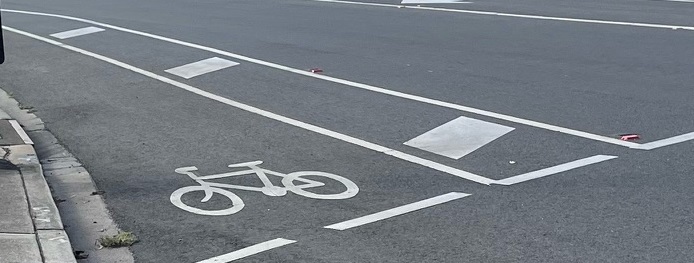
Shumen has completed its first dedicated bike lanes: an 880-metre stretch along University Street that marks the start of a planned city-wide cycling network. The lanes are 2.5 metres wide with two 1.25-metre platforms, run directly alongside the road, and are separated by marked dividers.
The municipality said the routes are an initial step towards a more connected network, with further sections already in place on Maritza Street and along Slavyanski Boulevard between the Russian Monument and Kristal Square. Work is underway on another route along Simeon Veliki Boulevard, one of the town's main arteries. Municipal officials have not disclosed exact timelines for completing the full network.
What This Means for British Expats
For British expats living in or visiting Shumen, improved cycling infrastructure means easier, safer travel around the town without relying on a car. The lanes connect residential areas with key civic and commercial zones, and future routes are expected to extend into parks and other recreational areas.
Bulgaria's adoption of the euro in January 2026 has made cross-border travel and cost comparisons simpler, and the shift towards active transport reflects a wider European push for sustainable urban mobility. The projects are backed by a mix of municipal and state funding, part of Bulgaria's alignment with EU environmental and cohesion goals.
It's worth noting that this is a first step rather than a finished product. The network is not yet fully connected, and phased expansion will take time. For anyone planning longer cycling trips around Shumen, the infrastructure is still patchy.
Wider Context
Shumen's bike lane rollout comes amid broader Bulgarian investment in urban transport. Troyan is receiving €1 million (approximately £860,000) from the Ministry of Regional Development and Public Works and the NIS energy company for electric bus infrastructure, while Bulgaria as a whole is set to receive €96 million in EU funding for road and transport improvements. The European funding figure covers national road infrastructure improvements without granular detail on allocation across regions or specific projects.
The European Commission has also approved Bulgaria's national plan for diversified gas supply security, and Plovdiv has added 375 new jobs linked to fresh investment, underscoring the country's ongoing integration into European development frameworks.
For British nationals in Bulgaria, these changes mean steadily improving local services, better connectivity, and a transport landscape increasingly aligned with green standards familiar from the UK and Western Europe. Whether the ambitions translate into a genuinely usable network remains to be seen, but the intent is clear.