Strong Start, Uncertain Outlook
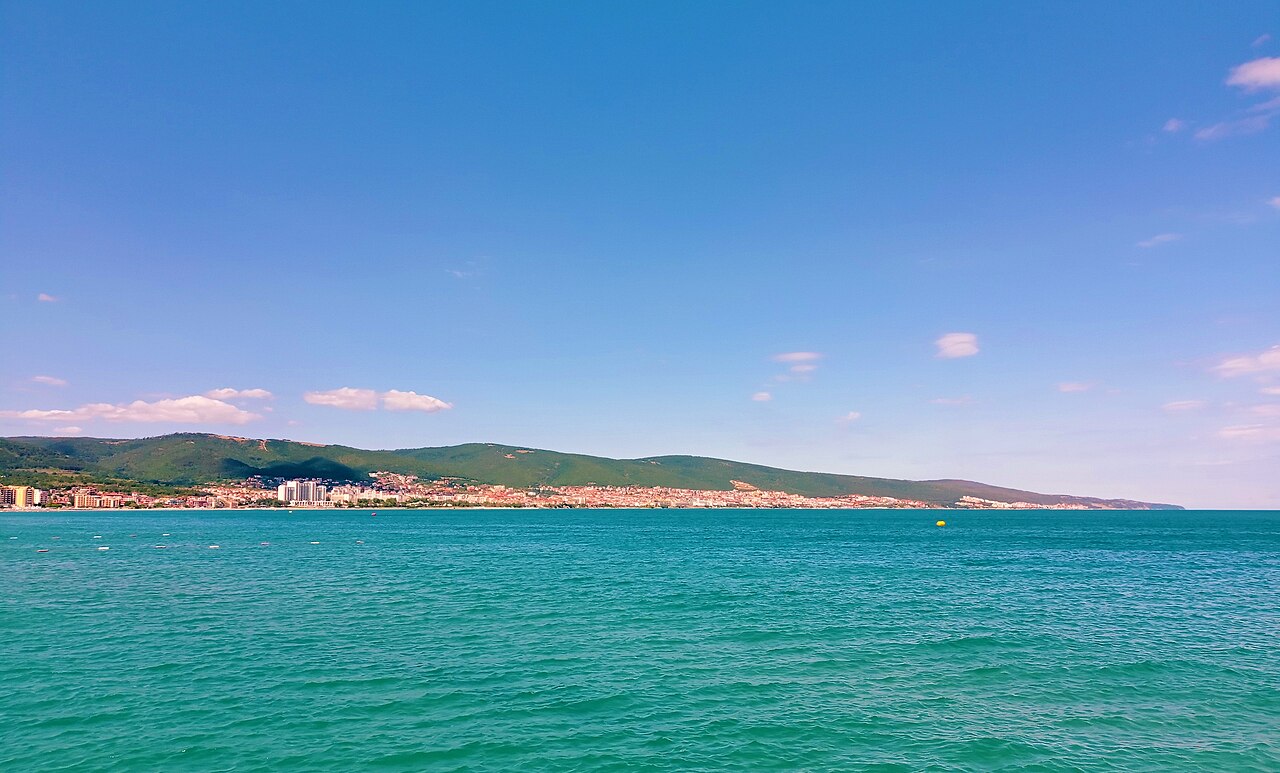
Hotels on Bulgaria's Southern Black Sea coast have opened for the summer season with full occupancy in some resorts, but rising airfares driven by higher fuel costs are beginning to reshape booking patterns and raise concerns about the broader tourist season ahead.
Several hotels in Sunny Beach began operating at the end of April and are reporting strong early demand. However, industry representatives warn that sharply increased flight costs, particularly for seasonal workers from third countries, could put pressure on visitor numbers in the coming months.
Flight Costs Jump Sharply
According to hotel operators, airfares for seasonal workers have risen sharply. Flights that previously cost around €150 to €200 (converted from 300 to 400 leva at the fixed pre-euro rate) now reach up to €540, though these figures are industry estimates rather than independently verified airline data.
Stoika Terzieva, a representative of the Sunny Beach Owners' Union, said there is movement in reservations but the reasons remain unclear to hoteliers. "We assume that the reason is precisely the increased costs, but we do not have precise explanations from tour operators," she said.
Some returning clients have been offered alternative accommodation in lower-cost hotels to avoid fuel-related surcharges. Hotels are often not informed about the operational reasons behind flight schedule changes or consolidations, leaving them to interpret market trends indirectly.
Israeli Market Uncertainty
Terzieva highlighted instability in certain source markets, particularly the Israeli market, which has not yet fully entered the booking season. She said concerns remain following an earlier slowdown in bookings at the start of geopolitical tensions in the Persian Gulf.
Some properties in the region rely heavily on Israeli tourists, who account for an estimated 25% to 40% of guests in certain hotels, according to hotel operators. The sluggish start to Israeli bookings has left some hoteliers watching nervously as the season progresses.
Mixed Demand Signals
Not all the news is grim. Alexander Alexandrov, a hotel manager on the coast, said his property opened at the end of April with full occupancy and has maintained that level since. Cancellation rates remain low at around 1%, which he described as within normal seasonal variation.
Alexandrov noted mixed trends across key markets. While demand from the United Kingdom, Germany, and Poland is growing, he acknowledged reduced flight availability from Germany, a significant source market.
Operational Cost Pressures Mount
Cost pressures extend well beyond air travel. "The concerns about rising fuel prices are very serious," Alexandrov said, adding that food costs have increased significantly compared to last year, in some cases by 40% to 60%.
Despite these challenges, hotels are not passing higher costs directly onto tourists. Contracts for the season were signed earlier, limiting pricing flexibility. "We are not increasing our prices. For this year, the increase is about 3% to 3.5%, as we take the entire burden on ourselves," he said.
That cost absorption may not be sustainable if fuel and food prices continue to rise, raising questions about pricing strategies for 2027.
What This Means for British Expats
British tourists represent a growing demand segment at Bulgaria's Black Sea coast, with UK visitor numbers reportedly on the rise. The combination of higher airfares and reduced flight availability from some European cities could affect travel planning for British expats in Bulgaria considering coastal breaks or hosting visitors from the UK.
The industry's decision to absorb most operational cost increases rather than pass them on to consumers means package holiday prices from the UK remain relatively stable this season. However, if fuel costs continue to rise, that stability may not last beyond 2026.
For British expats living in Bulgaria, the operational squeeze on hotels could eventually affect availability and pricing for local weekend breaks or summer escapes, particularly if the Israeli market remains sluggish and operators look to fill capacity from other sources.