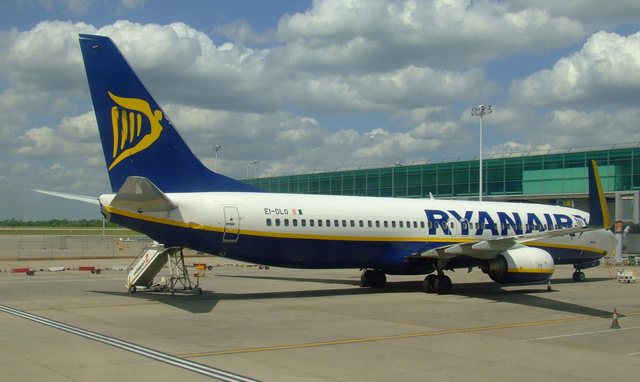
Airlines scale back as fuel costs climb
Ryanair, Transavia and Volotea have begun cutting flights as jet fuel prices rise sharply, according to a report from Novinite. The reductions come as disruptions to oil supplies from the Middle East push operational costs higher for carriers already working on tight margins.
The pressure stems from ongoing tensions affecting the Strait of Hormuz, a critical shipping route for global oil. There is no confirmed closure of the strait, but heightened tensions and disruptions in the region have reduced oil flow and driven fuel prices upward, raising concerns about potential shortages in the coming months. Airlines are responding by trimming routes before the situation worsens.
The airlines had not disclosed which routes or how many flights would be cut at the time of publication. No independent confirmation of the reductions has been issued by the carriers themselves.
Budget carriers hit hardest
Low-cost airlines are particularly vulnerable to fuel price shocks. Unlike full-service carriers, budget operators work with much smaller profit margins and have limited financial cushion to absorb sudden cost increases. When fuel costs jump, they feel it immediately, and the passenger typically follows shortly after in the fare column.
Industry observers quoted in the report note that while some flight reductions reflect normal seasonal adjustments, rising fuel costs are becoming a significant added factor, especially ahead of the busy summer travel period. Less profitable routes are expected to be trimmed first, particularly during peak holiday months. Whether this is seasonal prudence dressed up as fuel shock, or genuine route surgery, remains unclear without specific airline statements.
Unnamed industry experts quoted by Novinite warn that if fuel prices remain elevated, further cuts are likely to follow.
Impact on British travellers
British passengers relying on low-cost carriers for European travel may face fewer flight options and higher fares this summer. Ryanair operates significant routes from UK airports, and any widespread cuts to its schedule would reduce availability during the peak booking season. Finding a cheap seat to Burgas or Varna may require more effort than usual, assuming the seat exists at all.
How UK-based airlines such as easyJet respond to similar fuel pressures compared to their European competitors will determine the extent of disruption for travellers departing from British airports. Historically, British budget carriers have managed fuel price volatility through strategies including route optimisation, fuel hedging and dynamic pricing. Whether easyJet will announce similar cuts has not been confirmed.
If airlines pass increased costs onto consumers, ticket prices are likely to rise across budget routes. Some passengers may find holiday plans affected by reduced flight availability or cancelled routes, though at present no specific route cancellations or fare increases have been announced.
What happens next
The scale of future flight reductions depends on how long fuel prices remain high. Airlines typically announce schedule changes with several weeks' notice, so travellers booking summer holidays should monitor airline communications closely.
Routes with lower demand or thinner margins are most at risk of suspension. Popular holiday destinations may see reduced frequency rather than full cancellations, but fares on remaining flights could increase as availability tightens.
It is not yet clear which specific routes or airports will be most affected. Airlines have not disclosed detailed plans, and travellers should check directly with carriers for updates. For any cancelled services, refunds or rebooking options should be provided automatically by the airline, though passengers should confirm their rights under UK consumer protection regulations.