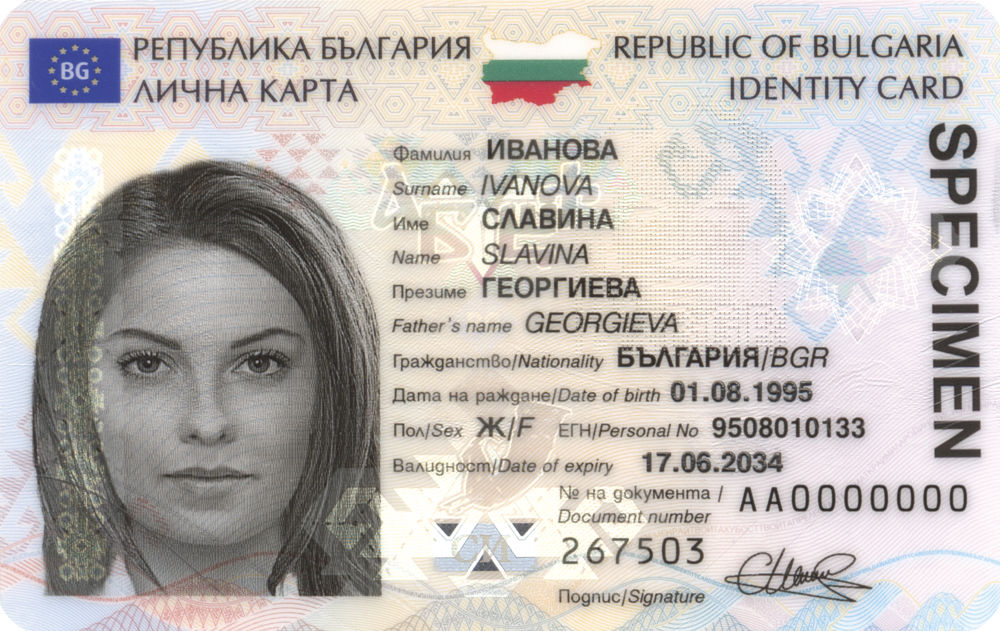
Five people have been arrested in Bulgaria after using fake ID cards to steal €120,000 through online loan applications that bypassed facial recognition security.
The Sofia City Prosecutor's Office and the Economic Police announced the charges on 4 May 2026 after a bank reported suspicious activity linked to several loans issued through its digital platform.
How the Scam Worked
The group (three men and two women aged between 19 and 25) secured at least four loans, each worth around €30,000. All five have no prior criminal record and are currently held in custody, with the right to appeal.
According to prosecutor's office spokesperson Desislava Petrova, the scheme relied on identity cards that were genuine documents but contained falsified photographs. The counterfeit elements were highly sophisticated, making detection difficult even for specialists.
The suspects passed digital identity verification procedures through online banking platforms by uploading the manipulated documents and completing facial recognition checks. Commissioner Ilcho Blagoev stated that the entire process, from application to approval, was carried out via mobile banking applications without any physical presence at a bank branch.
One of the loans was not fully withdrawn, but the rest were successfully absorbed by the group.
The source or method by which the fraudulent photographs were altered or obtained remains unclear and is part of the ongoing investigation.
Wider Investigation Under Way
The confirmed loans were issued by a single bank. Authorities have not disclosed which banks were involved. Investigators have already identified indications of a fifth loan from another financial institution, prompting a separate inquiry.
Authorities suspect the group may have targeted additional lenders over a period of at least two months. Blagoev described the method as relatively new and urged citizens to remain vigilant.
"Anyone who has doubts that a loan may have been taken out in their name should immediately contact the police," he said.
The victims, whose identities were used, appear to have been selected at random.
Legal Consequences
The offence carries a potential prison sentence of up to eight years. Prosecutors maintain that further developments are expected as the investigation continues and more possible victims or transactions are examined. All suspects are presumed innocent unless convicted.
What This Means for British Expats
British expats in Bulgaria who use online banking services should monitor their credit reports and loan accounts regularly. If you suspect a loan has been taken out in your name, Commissioner Blagoev's advice is clear: contact Bulgarian police immediately and notify your bank's fraud department. For wider context on the financial scams currently targeting British expats in Bulgaria, our Money & Scams guide tracks every recent case we have written up.
The Bulgarian Penal Code treats identity fraud used to obtain financial advantage as a serious offence, with penalties broadly comparable to UK fraud convictions under the Fraud Act 2006. Both jurisdictions take financial identity crimes seriously, though enforcement practices and sentencing outcomes can vary.
Both Bulgaria and the UK rely heavily on remote digital banking identity verification for loan applications and account opening. The case raises uncomfortable questions about facial recognition and document scan systems used by banks across Europe, where digital onboarding processes have largely replaced in-person checks. The fact that sophisticated forgeries could pass automated verification suggests the technology may not be quite as foolproof as advertised.
British expats in Bulgaria may wish to register with expat support networks or financial advisory groups that share fraud alerts. Monitoring your Bulgarian credit file regularly is sensible, particularly if you hold accounts with multiple institutions.