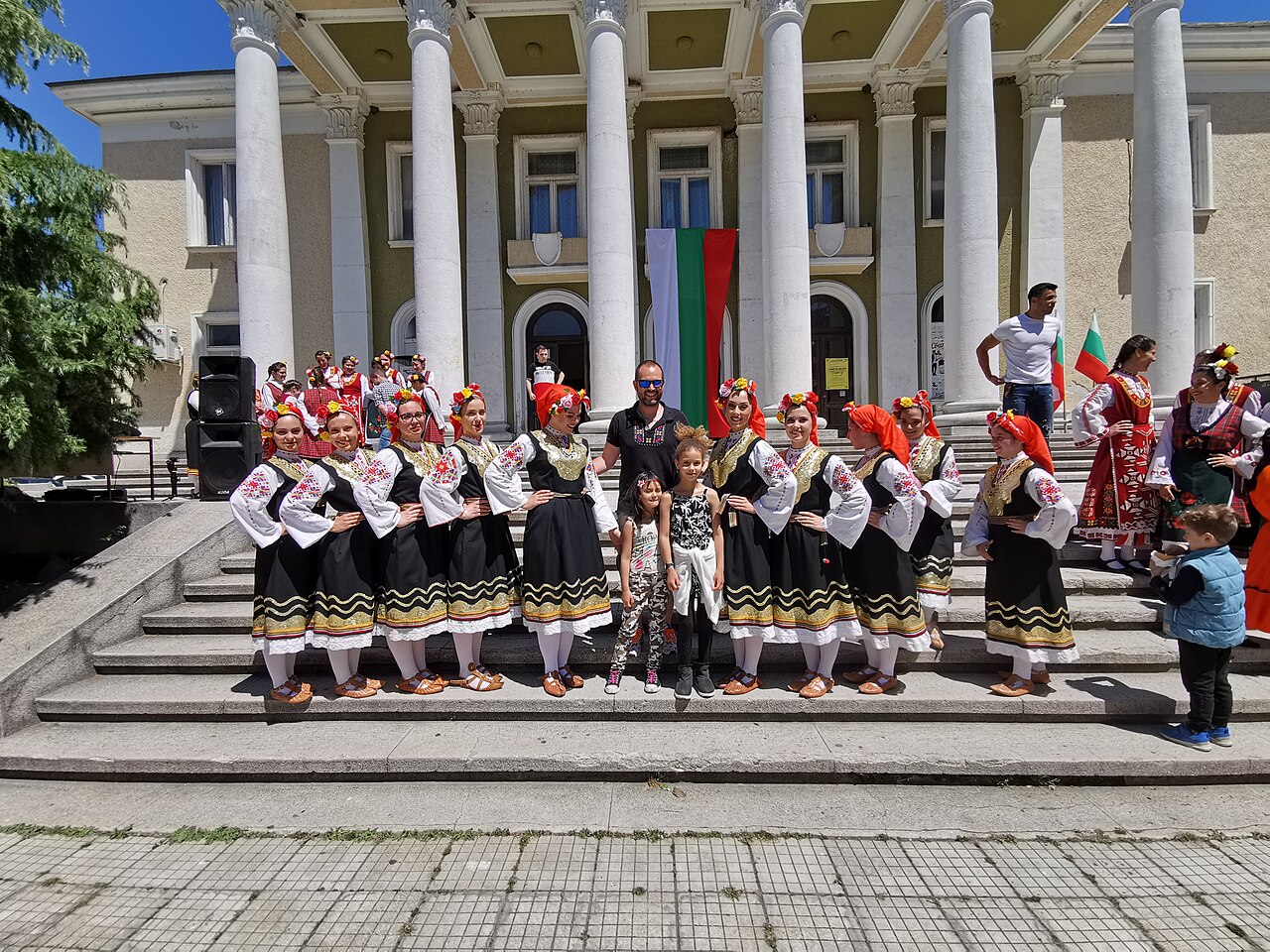
Bulgaria's Dual Holiday: Faith Meets Statehood
May 6 is a public holiday in Bulgaria that combines two distinct traditions: St George's Day, a deeply rooted religious and rural celebration, and the Day of Courage and the Bulgarian Army, a formal state occasion marked by military ceremonies.
The merger reflects Bulgaria's approach to nation-building, integrating popular Orthodox faith with state symbolism. The precise history of when and why these two traditions were officially combined is not detailed in available source material, but the practice embodies a broader Eastern European pattern of blending Christian saints' days with military commemorations, similar to Russia's Defender of the Fatherland Day and Serbia's Vidovdan.
The result is a day that feels both intimate and institutional. Families gather for large meals centred on roast lamb, while in Sofia and other cities, military units parade in coordinated formations attended by the President, government officials, and military leadership.
St George's Day: Faith, Food, and Hospitality
St George's Day honours Saint George, a figure associated in Christian tradition with bravery and protection. In Bulgaria, he is also linked closely with agriculture and livestock, giving the holiday an additional rural dimension that coincides with the beginning of spring prosperity in the countryside.
Lamb is the central dish, and its prominence carries ritual weight. The meal symbolises hospitality, abundance, and continuity, connecting generations through shared preparation and consumption. Regional styles vary across Bulgaria, but lamb is typically roasted whole and shared among extended family and guests. In many villages, preparations begin days in advance, and households commonly welcome visitors without formal invitations.
The day is also one of the most widely celebrated name days in Bulgaria, with many families marking it at home with gatherings and a strong sense of seasonal renewal.
The Military Side: Parades and State Ceremony
May 6 is also officially recognised as the Day of Courage and the Bulgarian Army. This part of the holiday is marked by formal state ceremonies, military parades, and public displays of national symbols.
The most prominent events typically take place in Sofia, where units from different branches of the army participate in ceremonies that often include demonstrations of equipment and coordinated formations. For many observers, these events serve not only as a tribute to the armed forces but also as a reminder of Bulgaria's historical struggles for independence and sovereignty.
The source material does not provide specific details about which military branches participate or the precise nature of the demonstrations.
How the Day is Marked Across the Country
Across Bulgaria, May 6 is observed in different ways depending on location and emphasis. Some towns host smaller parades, cultural programmes, and concerts. Others focus more on the religious and family-oriented side of St George's Day.
The dual nature of the holiday allows it to be both personal and collective, traditional and institutional at the same time. Streets are noticeably livelier than on an ordinary spring day. Parks fill with families, restaurants are busy, and rural areas often host large open-air gatherings.
What This Means for British Expats
For British expats in Bulgaria or visitors in early May, May 6 offers a window into the country's layered national identity. The holiday combines Orthodox faith, rural custom, and state ceremony in a way that reflects how Bulgaria sees itself.
British expats should expect road closures in Sofia for military parades, particularly in the city centre where the main ceremonies take place. Local restaurants will be fully booked as families gather for traditional meals, so advance reservations are advisable.
In rural areas, the day is often marked by large communal gatherings, and visitors are frequently welcomed to join. The emphasis on hospitality means that turning up unannounced to a village celebration is less awkward than it might sound, though bringing a contribution to the meal is always appreciated. A bottle of wine or a modest dessert will go down better than arriving empty-handed, even if nobody asks for it.
Understanding the blend of religious reverence and military commemoration helps explain why the day feels both celebratory and solemn, and why it remains one of the most recognisable dates in the Bulgarian year.
Weather and Atmosphere
Weather often shapes the mood of May 6, as the date typically brings mild temperatures and stable spring conditions. Forecasts for this year suggest warm daytime weather and generally favourable conditions for outdoor celebrations across the country, though these are forecasts and conditions may vary.
The combination of good weather, public holiday status, and the dual nature of the occasion contributes to an atmosphere that feels distinctly Bulgarian: a mix of family warmth, national pride, and open-air festivity.