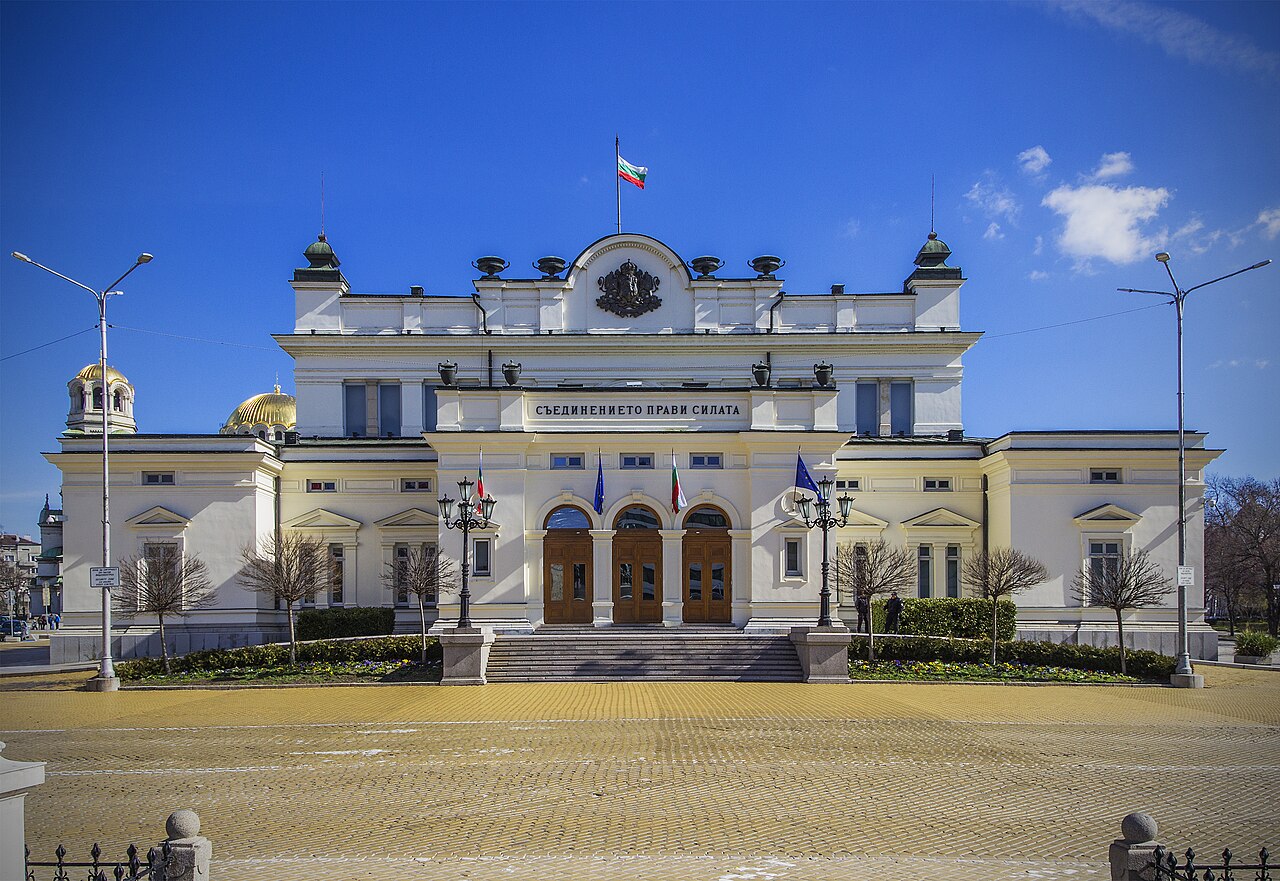
Bulgaria's President Rumen Radev says the recent parliamentary elections have restored legitimacy to the National Assembly and created conditions for more effective legislative work. Speaking after the formation of a new government, he argued that the country's political crisis has ended and that the focus must now shift to inflation, budget pressures, and institutional reform.
Bulgaria adopted the euro as its currency on 1 January 2026. All monetary figures are now quoted in euros rather than leva.
The new parliament, which convened quickly after the elections, elected a parliamentary speaker without the usual disputes. Radev described this as a signal of changing political tone. "Bulgarian citizens expect this constructive spirit to continue in the future, they expect the parliament not to produce scandals," he said.
Government Formation and Structure
According to Radev, the process of forming the government was unusually straightforward, without fragile coalitions or misleading voters. The proposed Council of Ministers includes 18 ministries and four deputy prime ministers, merging ministries where responsibilities overlap to improve efficiency and reduce bureaucracy.
The cabinet is intended to respond quickly to immediate economic and institutional pressures rather than undertake long structural reforms that could slow decision-making or risk European funding.
Urgent Priorities
The government's first tasks include:
- Passing the state budget
- Securing payments under the EU Recovery and Resilience Plan
- Electing a new Supreme Judicial Council and its inspectorate
- Addressing fiscal risks
Radev said the administration would work within constitutional principles, including separation of powers and rule of law, while relying on constructive opposition input.
Economic Policy
On economic policy, Radev said the government intends to reduce the budget deficit without increasing taxes. A detailed financial analysis of the country's situation would be carried out first, including assessment of hidden deficits, potential spending optimization, and borrowing needs.
He acknowledged that new external debt is likely, but said its scale would depend on the outcome of that analysis. The exact amounts involved in potential borrowing have not been disclosed.
Among the challenges ahead, Radev pointed to rising inflation and rapidly increasing prices, budget pressures, unresolved reforms, global energy instability, and escalating international conflicts. He said these issues would define the government's agenda from the start. Detailed inflation figures were not provided in the source material.
Judicial Reform
The government plans to submit draft legislation on Monday aimed at tackling rising prices, alongside proposed amendments to the Judiciary Act. Radev said judicial reforms would be introduced in stages, starting with legal changes before electing a new Supreme Judicial Council.
He also criticized the quality of legislation in recent years, arguing that too many bills were distracting from core policy priorities. He called for improving legislative efficiency and focusing parliamentary work on issues relevant to citizens.
Parliamentary Oversight
Addressing political tensions over proposals to investigate the assets of public figures, Radev stated that parliament should not be turned into what he called a confrontation field for competing influence groups. "Parliament is not an investigative body, there are institutions that must do that work," he said.
He reiterated that while a parliamentary commission could bring attention to facts and prompt institutional responses, the main responsibility for investigations lies elsewhere.
Opposition Skepticism
Opposition representatives from Democratic Bulgaria, acting as a constructive counterbalance in parliament, expressed skepticism about the proposed cabinet. They questioned whether it would be capable of delivering deep reforms, raising concerns about the background of some ministers and possible links to established economic networks.
Critics argued that experienced administrators in the cabinet may have previously contributed to systemic inefficiencies in public institutions. Further criticism focused on suspicions that informal business circles could influence government decisions, even if indirectly. These concerns have not been independently verified, and detailed public information about ministers' backgrounds remains limited.
Democratic Bulgaria pledged support for reforms where appropriate, but also warned they would strongly oppose any actions seen as reinforcing state capture or undermining public interest.
Despite these concerns, opposition representatives acknowledged that the government's success would ultimately be measured by results. If reforms were implemented effectively, they said, it would benefit the country as a whole.
Broader Agenda
Radev set out a broad list of priorities for the government, including accelerated modernization and development, dismantling what he described as an oligarchic model, restoring justice, and limiting access to public resources for private interests.
He also emphasized strengthening the rule of law, ensuring equal treatment of men and women, and promoting social justice with higher living standards.
Economic priorities included support for small and medium-sized businesses, attracting investment, boosting productivity, and shifting the economy toward export orientation. He also highlighted the introduction of high technologies across sectors, improved energy security with affordable prices for households and businesses, and better healthcare and education systems.
In the security field, he called for modernization of the armed forces, stronger defense capacity, and more effective action against crime and drug distribution among young people. He also stressed the importance of maintaining peace and avoiding involvement in military conflicts.
Radev further described the goal of positioning Bulgaria as an active and respected European and international partner.
What This Means for British Expats
For British expats in Bulgaria, the government's focus on inflation and rising prices matters directly. Household budgets, energy costs, and the price of everyday goods are all on the line. The promise to reduce the budget deficit without tax increases, if delivered, would avoid additional fiscal pressure on residents and businesses. However, the acknowledgment that new external debt is likely suggests borrowing costs may affect public spending priorities down the line.
The emphasis on securing EU Recovery and Resilience Plan payments is significant because delays or failures in EU funding can affect infrastructure projects, public services, and economic stability. British people living in Bulgaria rely on these systems, and disruption to EU-funded upgrades could slow improvements to roads, healthcare facilities, and administrative efficiency.
Judicial reform and strengthening the rule of law are relevant for anyone navigating Bulgarian legal and administrative systems. Whether it's property disputes, business registration, or dealing with local authorities, the effectiveness and independence of the judiciary affects practical outcomes for foreign residents.
The opposition's concerns about cabinet links to entrenched economic networks and the debate over parliamentary oversight reflect ongoing questions about governance transparency. For British expats running businesses or considering investments, the credibility of reform efforts and the stability of the regulatory environment are key considerations. If skepticism proves warranted and reforms stall, it could mean more bureaucratic obstacles and less predictable governance.