Bulgaria's population fell to 6,423,207 people by the end of 2025, a decrease of 14,153 from the previous year, according to the National Statistical Institute.
The drop represents a 0.22% decline and continues a decades-long pattern driven by low birth rates, high mortality, and population aging. Nearly 100,000 Bulgarians died during the year while just over 50,000 babies were born.
Deaths Nearly Double Births
The country registered 50,241 live births with a birth rate of 7.8 per 1,000 people, while 99,479 people died, producing a death rate of 15.5 per 1,000. This left Bulgaria with a natural population decrease of minus 7.7 per 1,000, one of the steeper negative rates in Europe.
The number of newborns fell by around 6% compared to 2024. The average number of children per woman remains at 1.63, well below the 2.1 needed for natural population replacement. Women are also having children later, with the average age at first birth now 27.5 years. Nearly two-thirds of all children are born outside marriage.
Nearly a Quarter of Residents Over 65
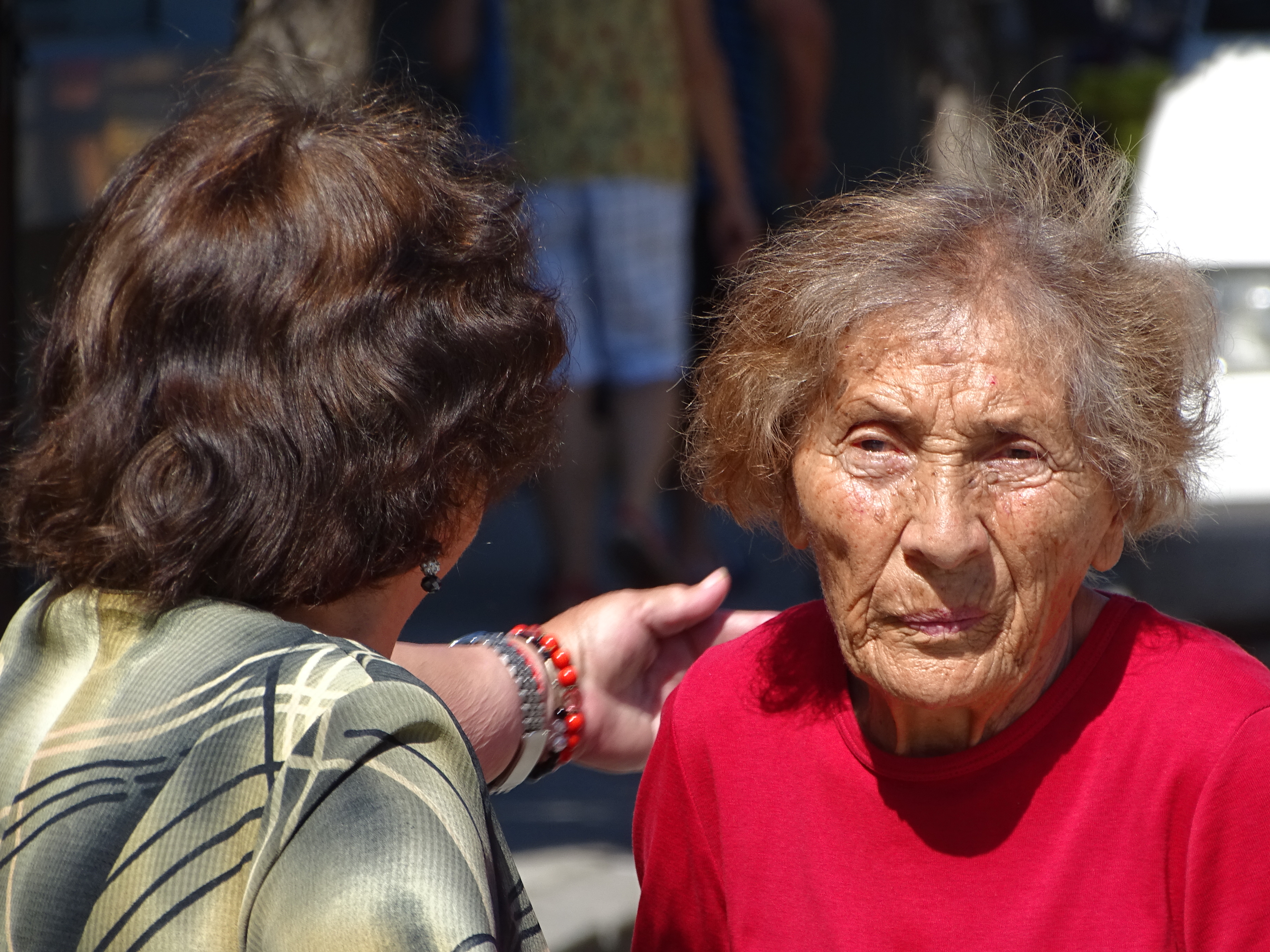
People aged 65 and over now total 1,557,851, accounting for 24.3% of the population. That means nearly every fourth Bulgarian is a pensioner. By comparison, children under 15 number 891,674, just 13.9% of the total.
The aging trend is most pronounced in rural areas. The average age in villages reached 47.7 years by year end, compared to 44.6 years in cities. Nationally, the average age rose to 45.4 years.
The highest concentration of elderly residents is in Vidin, where 31.6% are over 65, followed by Smolyan at 31.1% and Gabrovo at 30.8%. Sofia and Varna have the lowest shares at 19.2% and 21.7% respectively. Rural and economically disadvantaged regions are aging faster than the capital and coast.
Working-Age Population Shrinks
The working-age population stands at 3,764,842 people, or 58.6% of all residents. Of these, 1,967,204 are men and 1,797,638 are women. People above working age total 1,700,684, or 26.5%, while those below working age are 957,681, or 14.9%.
The demographic replacement rate (how many young people aged 15 to 19 are entering working age compared to those aged 60 to 64 leaving it) is just 75 nationally. That means for every 100 people leaving the labour market, only 75 are replacing them.
Sofia has the best figure at 99, followed by Sliven at 96 and Varna at 89. The weakest rates are in Kardzhali at 46, Smolyan at 49, and Silistra at 55. These are the sorts of numbers that keep finance ministers awake at night.
What This Means for British Expats
British nationals living in Bulgaria face a shifting demographic landscape with practical consequences drawn from these official statistics.
A shrinking working-age population means tighter labour markets, particularly in sectors that employ younger workers. Healthcare demand is rising as the population ages, with pressure mounting on public and private medical services. British expats relying on Bulgaria's healthcare system may encounter longer waiting times or reduced service availability, especially in rural areas experiencing the steepest population declines.
Rural areas continue to lose services and infrastructure as young people move to cities or abroad. British expats in regions like Vidin or Smolyan may encounter reduced access to amenities compared to urban centres such as Sofia and Varna, which remain relatively stable. The depopulation of villages means fewer local shops, reduced public transport, and declining community services.
For British investors or businesses operating in Bulgaria, workforce availability is becoming a more pressing concern. Labour shortages in some sectors may drive wage inflation or require greater reliance on migrant workers, a pattern already visible across much of Eastern Europe. UK businesses with Bulgarian operations should factor demographic trends into medium-term planning.
These patterns mirror challenges across Eastern Europe. Countries like Romania, Serbia, and Hungary face similar trajectories: low birth rates, aging populations, and shrinking working-age cohorts. Bulgaria's decline is among the steeper in the region, but the challenges are not unique. The UK and much of Western Europe face their own aging pressures, though generally at a less acute pace.
Migration Partially Offsets Losses
During 2025, 44,640 people settled in Bulgaria from abroad, while 9,555 emigrated, resulting in positive net migration of more than 35,000 people. This partly offset the natural population decline.
Of those arriving, 45.9% were citizens of non-EU countries, 38.9% held Bulgarian citizenship, and 15.2% were citizens of EU member states. The figures suggest returning Bulgarians and non-EU migrants are the main sources of inward movement.
Migration offers temporary relief, but demographic decline remains one of the country's most serious long-term challenges. Sustaining or increasing inward migration requires effective integration policies and economic opportunities. Migration alone is unlikely to reverse long-term demographic trends without higher birth rates. The precise details of Bulgaria's integration policies and their effectiveness are not covered in the available source material.
Urban Dominance and Empty Villages
By year end, 4,745,686 people, or 73.9%, lived in cities, while 1,677,521 people, or 26.1%, lived in villages. Bulgaria has 5,256 settlements in total, including 257 towns and 4,999 villages, while 192 settlements remain completely uninhabited.
In 1,280 settlements, nearly a quarter of all settlements, the population is between just 1 and 49 people. The largest village is Lozen near Sofia with 6,671 residents, while the smallest town is Melnik with only 181 inhabitants. That gives you a sense of the range.
Six cities have populations above 100,000: Sofia, Plovdiv, Varna, Burgas, Stara Zagora, and Ruse. Together they account for 35.8% of the country's population. For the second consecutive year, Stara Zagora remains Bulgaria's fifth-largest city, slightly ahead of Ruse.
Regional Variations
Sofia-city remains the largest district with 1,303,813 residents, or 20.3% of the national population, while Vidin is the smallest with just 69,465 people, or 1.1%. Four districts have populations above 300,000: Sofia-city, Plovdiv, Varna, and Burgas.
Only one statistical region recorded population growth in 2025: the South-West region, which grew by 0.15%. The North-West remains the least populated region with 647,000 residents, or just 10.1% of the country's population.
At district level, five regions managed to increase their population. Kardzhali recorded the highest growth at 1.7%, while Smolyan saw the sharpest decline at 1.9%.
These 2025 figures represent early official data subject to revision. The National Statistical Institute may issue updated statistics as further demographic information becomes available.